





Sheffield Silver Dishes
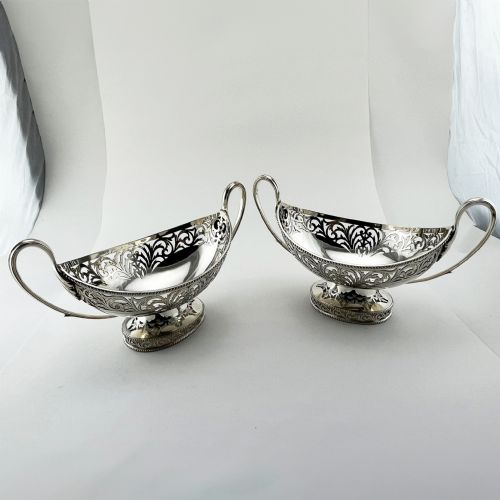
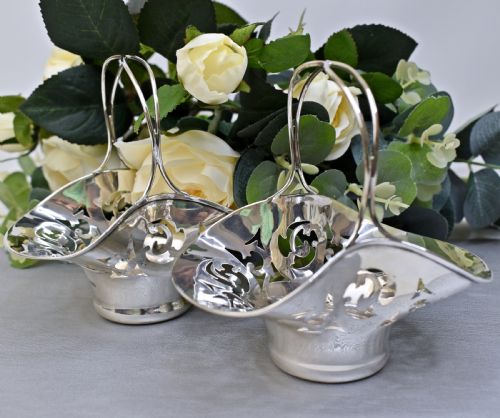
Sheffield silver dishes bring together centuries of metalwork traditions, ranging from early fused plate to solid sterling silver serving pieces.
Sheffield Silver Dishes
When searching for sheffield silver dishes, buyers encounter a diverse selection of dining and serving items spanning multiple eras from the eighteenth century through the mid-twentieth century. The material history ranges from solid sterling silver bearing clear town marks to fused metal techniques developed in the region.
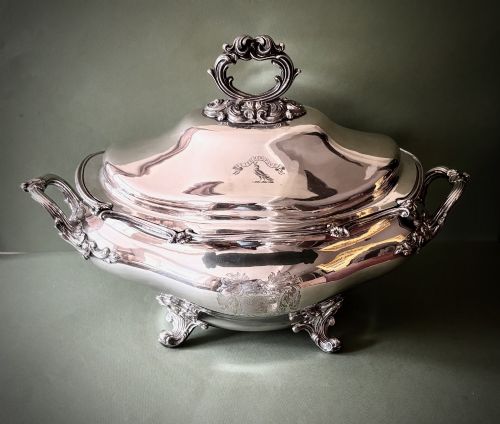
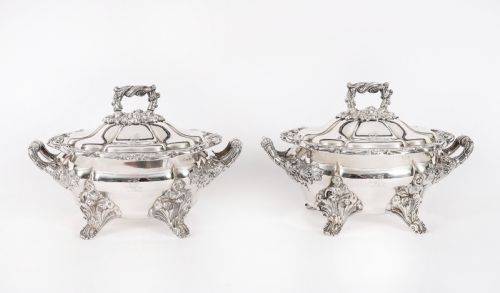
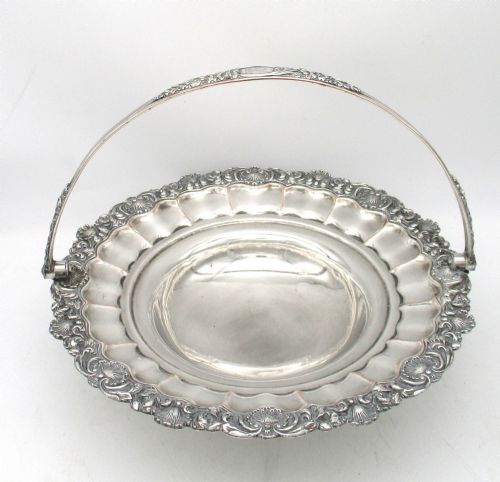
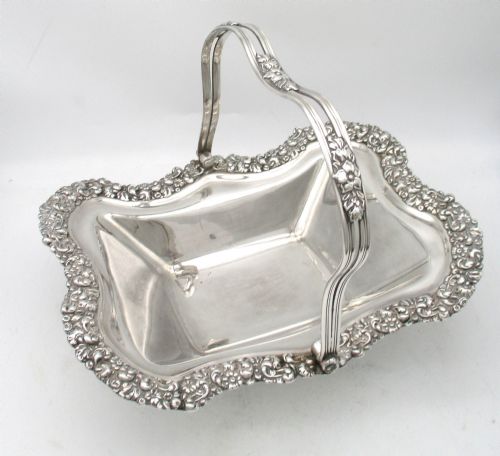
The objects themselves serve functional and decorative roles on the dining table, including tureens, meat domes, warming dishes, baskets, and small pin trays. Pieces from the nineteenth century predominate, alongside Georgian and later twentieth-century examples.
Makers and silversmiths from the area produced serveware in styles that follow broader design movements, such as Regency, Victorian, and Art Deco. These forms reflect the changing domestic habits and table arrangements of their respective periods.
How they were made
Many early pieces utilise Old Sheffield Plate, a technique involving the thermal fusion of a thin sheet of silver to a thicker copper core. This method leaves a characteristic exposed copper edge or seam upon close inspection.
Later manufacturing shifted towards electroplating over a base metal, known as EPNS, or utilised solid sterling silver shaped by hammering, piercing, and casting. Details such as handles and borders were frequently cast separately and soldered onto the main body.
Sheffield Silver Dishes Retail Price Guide 2026
Typical asking prices for sheffield silver dishes among the pieces listed under this phrase on Sellingantiques today, from the lower quarter to the upper quarter. They describe what is for sale here now, not the wider market.
Listings span from the 18th century through the mid-20th century, encompassing materials from copper and Old Sheffield Plate to sterling silver and EPNS.
What varies in quality
Quality depends upon the preservation of the original silver layer in plated items and the crispness of chased, embossed, or pierced ornamentation on solid silver pieces. Substantial weight and balanced proportions distinguish finer table items from lighter utilitarian wares.
Maker attribution also influences standing, as well-documented workshops maintain cleaner lines and more refined decorative mounts on tureens, baskets, and meat domes.
Thomas Bradbury And Sons·Roberts Cadman·Henry Wilkinson·Creswick·Matthew Boulton·Fenton Brothers·James Deakin And Sons·Martin Hall·Walker Knowles·Dan Holy
The Sheffield Silver Dishes Glossary
- Old Sheffield Plate
- An early form of plated metal created by fusing silver and copper together through heat and pressure. This process creates a layered sheet before shaping into dishes.
- EPNS
- Electroplated Nickel Silver, a common base metal method introduced in the nineteenth century. It replaced older fusion techniques for many manufactured table items.
- Mazarine
- A pierced insert used inside serving dishes or draining plates to keep food separate from juices. These appear in larger meat dishes and warming vessels.
- Meat Dome
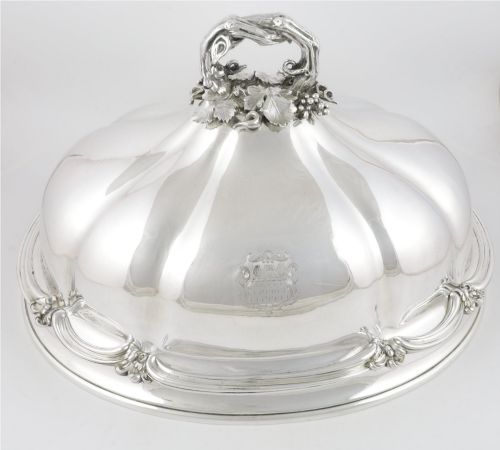
- A large domed cover designed to keep roasted joints warm upon the table. They often feature cast handles and armorial crests.
- Tureen
- A deep covered vessel used for serving soups, sauces, or vegetables. Pairs of sauce tureens are particularly sought after for formal dining settings.
Sheffield Silver Dishes: Frequently Asked Questions
What is Old Sheffield Plate?
Old Sheffield Plate is a precursor to modern electroplating created by fusing a thin layer of silver onto a copper ingot. The combined metal was then rolled into sheets and formed into dishes and holloware.
Under magnification or along cut edges, the underlying copper band often remains visible on authentic early examples.
How do I spot solid silver from plated pieces?
Solid silver items carry official hallmarks indicating the town of assay, such as the crown for Sheffield, alongside a standard mark like the lion passant for sterling. Plated items usually bear maker marks without these standard silver purity stamps.
Silver plate may also reveal a warm copper tone where centuries of cleaning have worn through the upper silver skin.
What were warming dishes used for?
Warming dishes featured hollow compartments designed to hold hot water beneath the serving surface. This kept food warm during lengthy dining courses in the Georgian and Victorian periods.
They frequently include small side plugs or spouts for filling and emptying the internal water chamber.
How should I care for silver plated tableware?
Gentle cleaning with a non-abrasive silver cloth preserves the remaining silver layer on plated surfaces. Avoid harsh dips that can strip remaining detail from older copper-core pieces.
Regular handling and soft polishing help maintain the natural lustre without accelerating wear on exposed edges.