





Sheffield Silver Dish
A sheffield silver dish brings together centuries of metalwork skill, offering practical utility and historic character for the table.
Sheffield Silver Dish
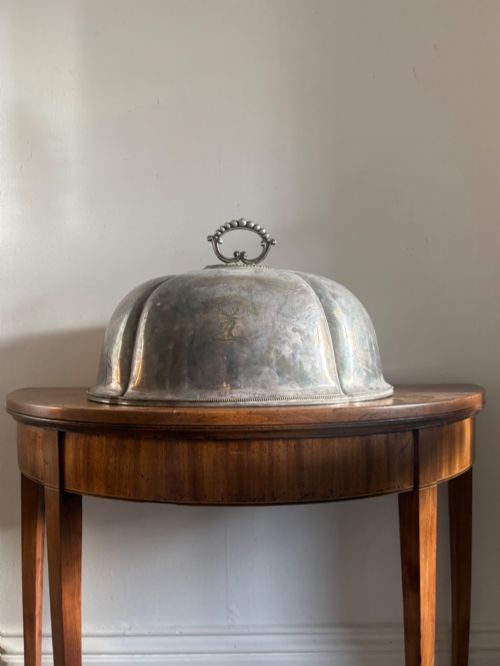
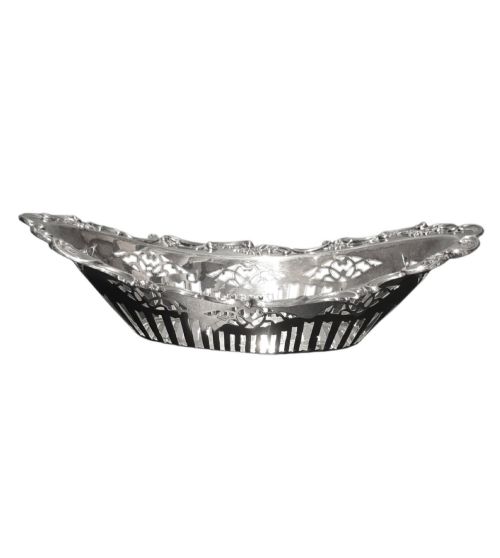
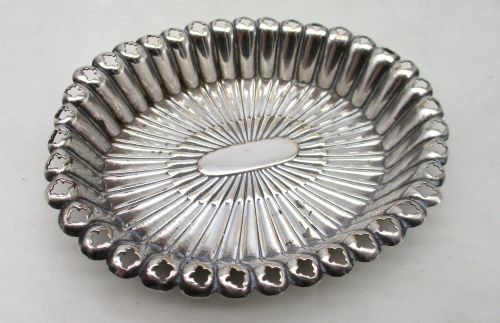
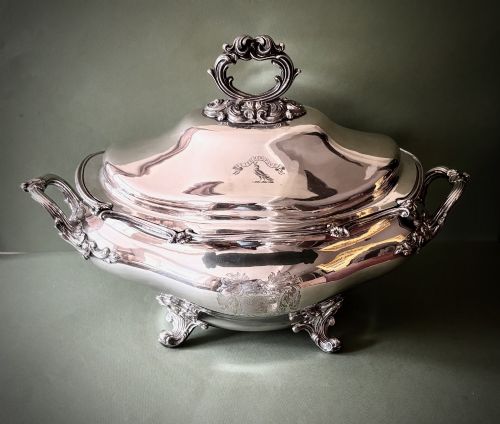
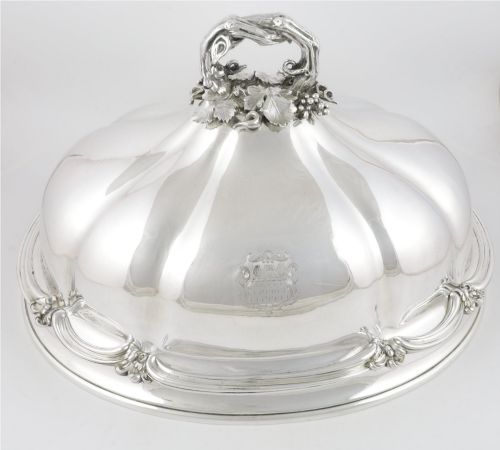
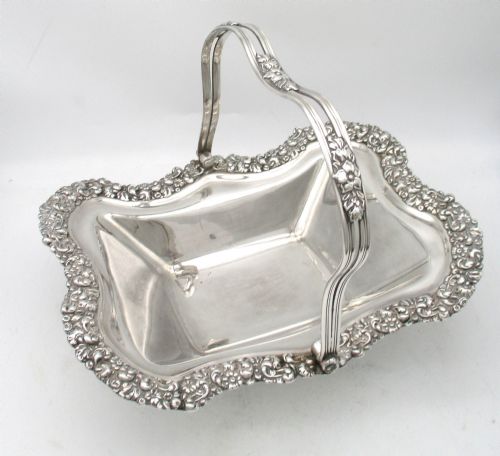
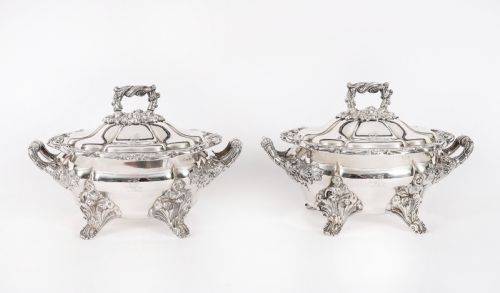
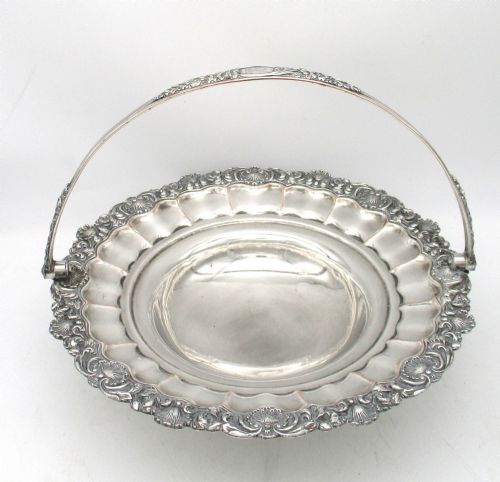
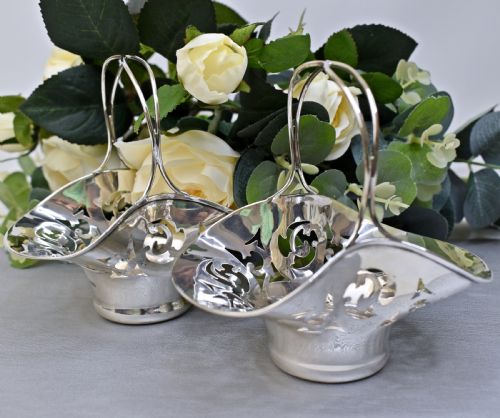
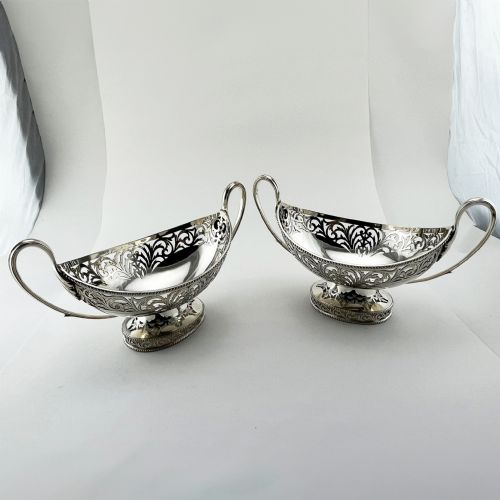
A sheffield silver dish encompasses a wide variety of domestic serving vessels, from delicate butter dishes and bonbon bowls to large meat domes, tureens, and warming dishes. These items reflect the shifting dining habits across the eighteenth, nineteenth, and early twentieth centuries, moving from formal Georgian banquets to elaborate Victorian spreads and structured Art Deco settings.
The objects listed span traditional sterling silver pieces bearing city assay marks alongside the distinctive layered materials developed in the industrial Midlands. Buyers frequently encounter Old Sheffield Plate alongside later electroplated items, offering diverse weights, detailing, and decorative styles including Regency reeding, Victorian naturalism, and geometric Deco lines.
Materials and methods
Old Sheffield Plate relies on an early fusing technique where a sheet of silver is fused to a thicker copper core under intense heat before being rolled into sheets for shaping. This process leaves a characteristic edge or small seam where the underlying base metal may occasionally show through after generations of polishing.
Solid sterling silver items utilise traditional hammering, piercing, and casting methods, often enhanced by hand-embossed repoussé work or delicate wirework. Makers combined these techniques with applied borders, handles, and wooden accents to construct durable serving vessels.
Sheffield Silver Dish Retail Price Guide 2026
Typical asking prices for sheffield silver dish among the pieces listed under this phrase on Sellingantiques today, from the lower quarter to the upper quarter. They describe what is for sale here now, not the wider market.
Dining tables once featured novelty silver gardening trugs and artists' palettes transformed entirely into whimsical sweetmeat dishes.
Judging quality and craftsmanship
Quality rests upon the crispness of the chased or pierced decoration and the structural integrity of the joints, handles, and feet. Superior examples maintain clean lines and balanced proportions without distortion from heavy wear or clumsy repairs.
The preservation of the original silver layer on plated items or the clarity of the hallmarks on sterling pieces dictates desirability. Better works exhibit careful hand-finishing, well-defined crests or armorial engravings, and robust internal framing that supports heavier serving functions.
Roberts Cadman·Henry Wilkinson·Creswick·Matthew Boulton·Thomas Bradbury·Fenton Brothers·Walker & Hall·James Deakin & Sons·Martin Hall·Walker Knowles·Dan Holy·James Dixon & Sons·William Hutton & Sons·John Round·Harry Atkin·Roberts & Belk·Mappin & Webb·Henry Wigfull·John Deakin
The Sheffield Silver Dish Glossary
- Old Sheffield Plate
- An early composite material made by fusing silver to a copper base. This predates modern electroplating and produces a warm, distinct visual tone.
- EPNS
- Electroplated Nickel Silver, a later industrial method introduced in the nineteenth century. It provides a uniform silver coating over a nickel and copper alloy base.
- Mazarine
- A decorative draining plate or insert placed inside a larger dish. It allows juices to separate cleanly from meat during carving and service.
- Repoussé
- A metalworking technique where the design is hammered into relief from the reverse side. This creates textured, three-dimensional floral or scroll motifs.
- Comport
- A raised serving dish or pedestal bowl used for fruit, bonbons, or sweets. It adds height and visual structure to table settings.
Sheffield Silver Dish: Frequently Asked Questions
What is Old Sheffield Plate?
Old Sheffield Plate is a fused composite material created by melting a thin sheet of silver onto a copper ingot before rolling them together.
This method produced durable tableware before the invention of electroplating, often showing faint copper traces along cut edges.
How do I clean my silver dish?
Clean these items using a gentle, non-abrasive silver polish and a soft cloth to protect delicate chased details and surface plating.
Avoid harsh chemical dips, particularly on plated items, to preserve the remaining silver layer.
Are these dishes safe for food?
Most historic serving dishes function well for dry goods, fruit, or packaged sweets during modern gatherings.
Plated items with worn surfaces exposing base metal are better suited for display rather than acidic foods.
How can I date my dish?
Sterling silver pieces carry official town hallmarks, including date letters and maker stamps corresponding to specific assay records.
Plate items rely on construction clues, edge styles, and maker marks stamped into the metal.