


Sheffield Plate Tray
Sheffield plate tray pieces bring Georgian and Victorian elegance to a table, offering the rich gleam of fused silver and copper.
Sheffield Plate Tray
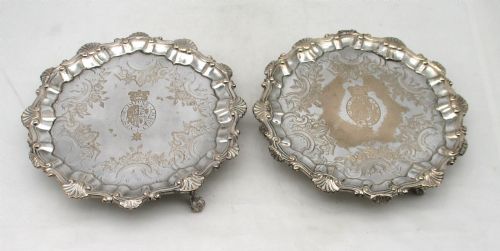
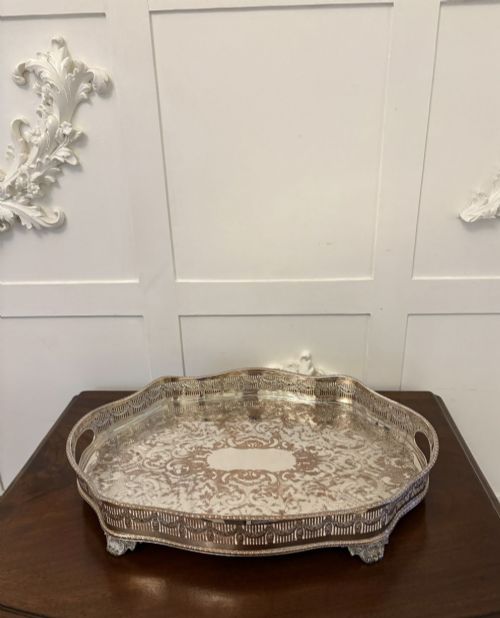
Makers frequently decorated these objects with crests, coats of arms, and detailed engraving, while styles span George III, Regency, and Victorian periods. One may encounter circular salvers with scroll borders, oval gallery trays with pierced rails, or smaller chamber candlestick trays. The underlying material often shows traces of copper where centuries of polishing have worn the silver layer thin.
Materials and construction
Old Sheffield plate relied on a mechanical fusion process rather than electroplating, bonding sterling silver to a copper ingot under high heat before rolling it into sheets. Craftsmen often applied solid silver wire edges, known as mounts, to conceal the exposed copper seams along the borders of the trays.
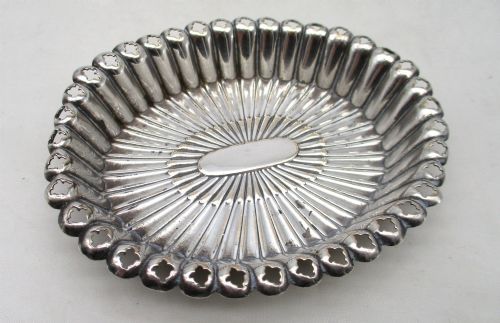
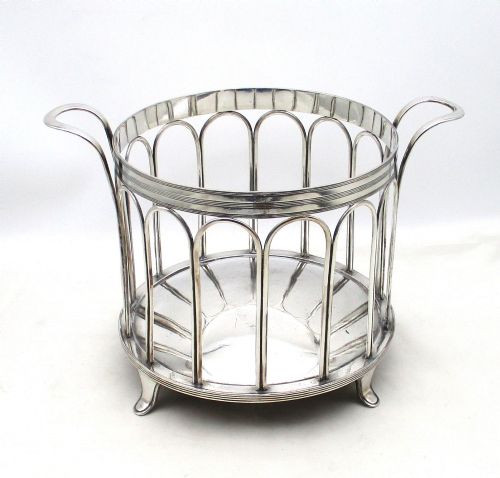
Later nineteenth-century pieces introduced alternative materials like electroplated nickel silver and incorporated cut glass or wood into specific forms such as inkstands and wine coasters. Artisans also utilised piercing and reticulation techniques to create openwork galleries on serving platters.
Several trays come complete with their original candle snuffers and snips, ready to put out the evening lights.
Assessing quality
The standard of a sheffield plate tray rests on the crispness of the chased or engraved decoration and the integrity of the silver fusion over the copper base. Finer examples display cleanly struck maker marks, sharp cast mounts, and balanced proportions that reflect skilled silversmithing.
Pieces that retain their original silver borders and crisp armorial crests without excessive copper bleed-through command greater appreciation among collectors. The weight and rigidity of the metal gauge also distinguish superior serving platters from lighter domestic wares.
Creswick·Walker Knowles·J Dixon & Sons·Frank Cobb & Co·Daniel Holy·Lee & Wigfull·J.H. Potter·Viners of Sheffield·Waterhouse Hatfield·Morton & Co
The Sheffield Plate Tray Glossary
- Old Sheffield Plate
- A material created by fusing silver and copper together through heat and rolling, used before the invention of electroplating. It is identified by a distinct coppery hue showing through worn high points.
- Salver
- A flat tray used for serving food or drinks, often standing on small feet. These circular or shaped plates frequently display engraved crests in the centre.
- Gallery Tray
- A serving tray fitted with a pierced or solid upright rim around the edge. This raised border kept glasses and decanters secure during carriage.
- Mazarine
- A decorative draining plate or insert placed inside a larger platter. They appear in eighteenth and nineteenth-century dining arrangements.
- Reticulation
- An openwork or pierced lattice pattern cut into metal trays. This technique lightened the visual weight of large serving pieces.
Sheffield Plate Tray: Frequently Asked Questions
How do I clean a sheffield plate tray?
Use a gentle silver cloth and mild soapy water to remove tarnish without harsh scrubbing. Avoid abrasive dips that can strip the thin silver layer.
Take care around engraved crests and edges where the copper core lies close to the surface. Regular light dusting preserves the natural patina accumulated over centuries.
What is the difference between old sheffield plate and silver plate?
Old sheffield plate involves a physical fusion of silver and copper sheets rolled together under heat. This method produces a different weight and wear pattern compared to later methods.
Electroplated items use an electrical current to deposit a thin skin of silver onto a base metal like nickel silver. Examining the edges often reveals the underlying copper seam unique to fused plates.
Can I use these trays for serving food?
Many of these pieces served dining tables historically for tea, meat, or drinks during the Georgian and Victorian eras. Modern use remains entirely practical for dry foods or bottled beverages.
Acidic foods and prolonged moisture can stain or damage historical surfaces if left unattended. Careful hand washing after use protects the antique metal.
How can I date a sheffield plate tray?
Stylistic clues such as George III scrollwork, Regency borders, or Edwardian reticulation offer clear periods for manufacture. Maker marks and stamped initials also help narrow down the decade.
The transition from fused copper plates to electroplated nickel silver around the mid-nineteenth century provides a reliable chronological marker.