


Shapland and Petter Furniture
Shapland and Petter furniture represents the finest domestic design of the period, offering collectors masterwork craftsmanship in oak, mahogany, and ash.
Shapland and Petter Furniture
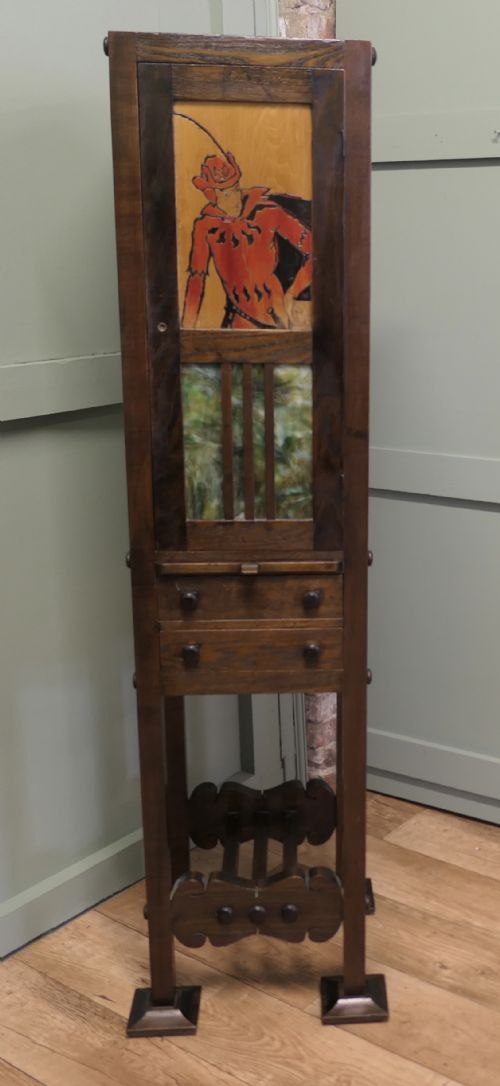
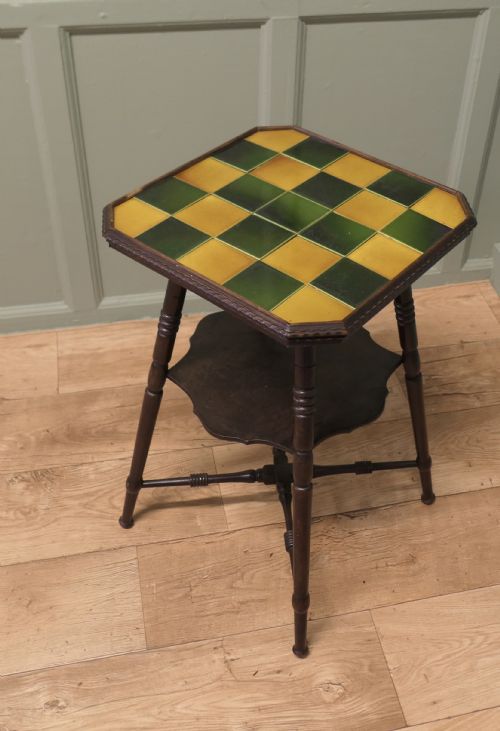
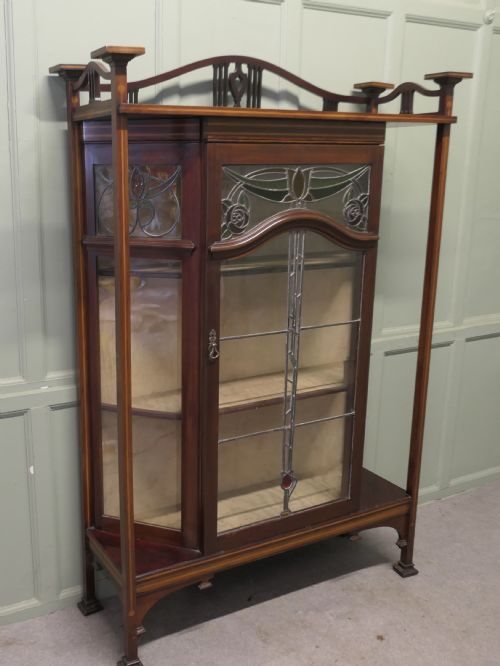
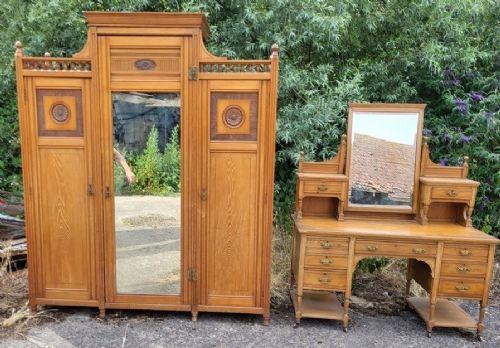
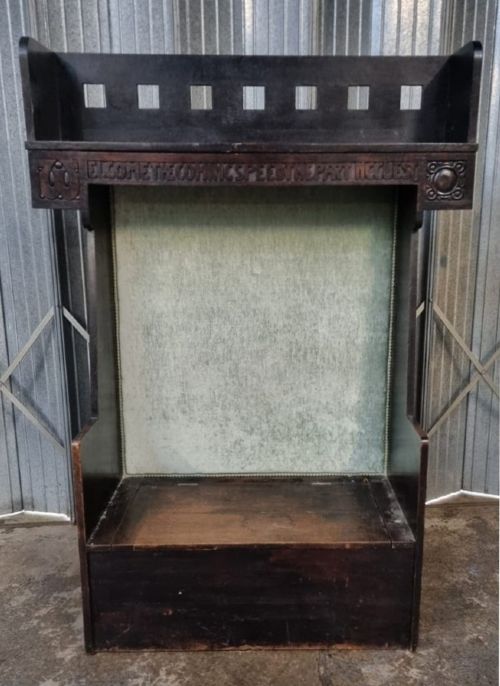
When you search for shapland and petter furniture, you enter the distinctive world of late nineteenth and early twentieth-century British craftsmanship. The pieces available here include display cabinets, bookcases, side tables, bedroom suites, hall seats, dressing tables, sideboards, and dining chairs.
You are most likely to encounter oak and mahogany examples from the Victorian, Edwardian, and 1900 periods. These pieces embody the defining aesthetic movements of their day, bridging traditional utility with forward-thinking design.
Every piece reflects the rigorous standards of the Devon workshops. Collectors seek these items for their integration into period interiors and their distinct structural identity.
Materials and construction methods
The workshops relied heavily on solid oak, mahogany, and ash for their structural integrity, complemented by fruitwood inlay for surface decoration. Artisans shaped these timbers using traditional joinery alongside contemporary machining methods of the era.
Metalwork played a crucial structural and decorative role, with hammered copper and polished brass fittings adorning cabinets, sideboards, and tables. Ceramic tiles and glass panels were frequently incorporated into cabinet doors and table tops to add colour and texture.
Carving and inlay were executed by hand to achieve the flowing organic lines characteristic of the Arts and Crafts and Art Nouveau styles. The resulting furniture balances robust daily utility with refined artistic expression.
Cabinetmakers occasionally integrated specialised pipe racks into their mahogany and copper smoking cabinets.
Distinguishing quality across the range
Quality in these pieces rests upon the ambition of the design and the sophistication of its decorative elements. Examples featuring intricate fruitwood inlay, bespoke copper hardware, or integrated ceramic tiles demonstrate a higher tier of workshop production.
The choice of primary timber also dictates the tier of the piece, with richly figured mahogany and selected quarter-sawn oak representing the superior end of output. Simpler construction in secondary woods points to more utilitarian commissions.
The fidelity of the carved details and the preservation of original metalwork determine the overall integrity of the piece. Unaltered surfaces retain the subtle tool marks that distinguish master production from standard output.
Shapland and Petter·Liberty
The Shapland and Petter Furniture Glossary
- Arts & Crafts
- A design movement promoting handcraftsmanship, simple forms, and local natural materials as a reaction against machine production. It heavily influences the construction and aesthetic of these items.
- Art Nouveau
- An international style of art and architecture characterised by intricate linear designs and flowing organic shapes inspired by natural forms. This style appears frequently in the decorative details of cabinets and tables.
- Fruitwood Inlay
- The technique of inserting contrasting strips or pieces of fine fruitwood into depressions on a timber surface to form decorative patterns. It adds delicate visual detail to structural panels.
- Moorish
- A design influence incorporating complex geometric lattice work and horseshoe arches into British furniture forms. It reflects late Victorian and Edwardian tastes for exoticism.
- Pedestal Dressing Table
- A dressing table constructed with two independent banks of drawers supporting a central mirror and top surface. This form provides substantial storage within bedroom suites.
Shapland and Petter Furniture: Frequently Asked Questions
What defines shapland and petter furniture?
These pieces are defined by their adherence to the Arts and Crafts and Art Nouveau movements, utilising solid oak, mahogany, and ash. They encompass a wide variety of domestic forms from display cabinets to dining chairs.
The workshops combined traditional joinery with innovative decorative elements such as copper hardware, ceramic tiles, and fruitwood inlay. This approach created functional items that doubled as works of art.
How do I identify the style?
Look for characteristic motifs of the late Victorian and Edwardian eras, including organic lines, exposed joinery, and hammered metal fittings. Stylistic influences range from straightforward British vernacular to exotic Moorish patterns.
The use of specific materials like ash and oak, alongside distinctive inlaid panels, helps confirm the aesthetic lineage of each piece.
Where were these pieces used?
They were designed primarily for substantial country houses and urban domestic interiors during the late nineteenth and early twentieth centuries. Pieces ranged from hallway furniture like stands and seats to formal dining and bedroom suites.
Their robust construction ensured they could withstand daily use while providing sophisticated interior decoration for reception rooms and bedrooms.
How do I care for the wood?
Maintain the timber by keeping pieces away from direct heat sources and dramatic humidity fluctuations. Regular dusting with a dry, soft cloth preserves the original polish without damaging the surface.
Avoid chemical polishes that can build up and dull the hand-finished quality of the oak, mahogany, or ash.