







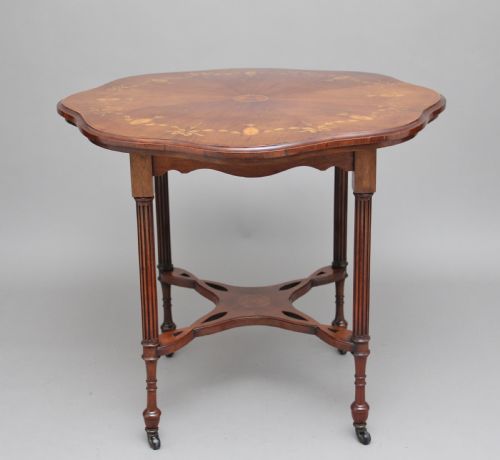
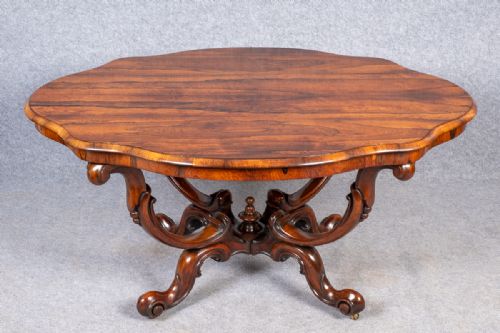
Shaped Top Rosewood Table
A shaped top rosewood table brings warm timber tones and fluid outlines into a room, offering both surface utility and period craftsmanship.
Shaped Top Rosewood Table
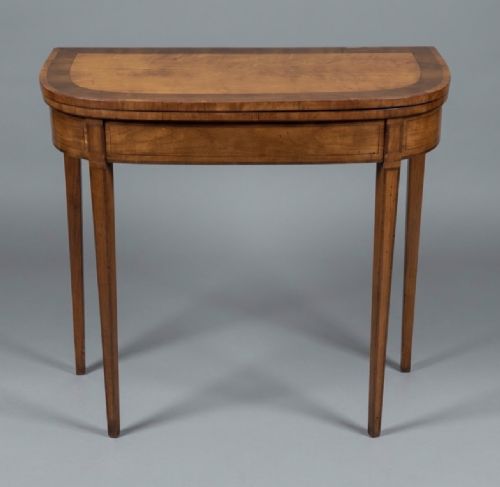
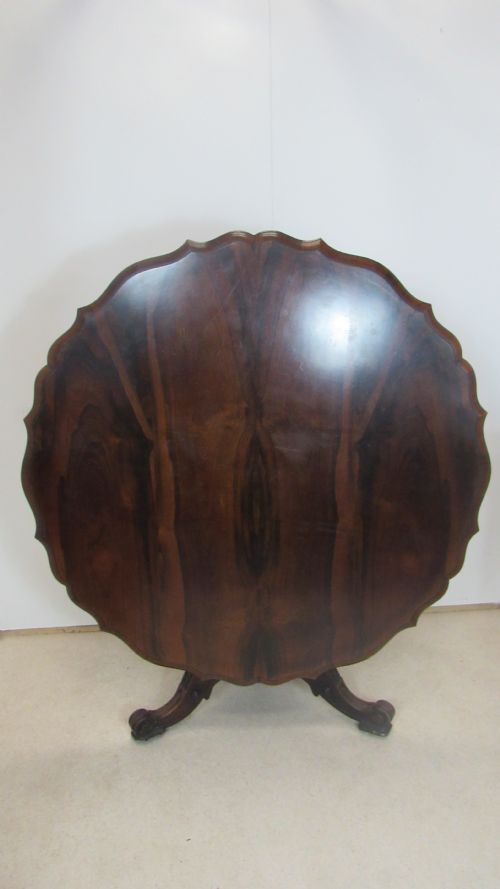
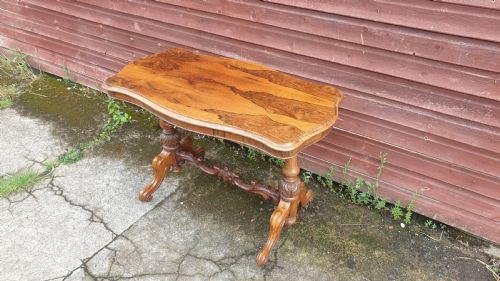
When you search for a shaped top rosewood table, you encounter diverse forms spanning centre tables, writing desks, tea tables, and plant stands. These pieces predominantly date from the Victorian and Edwardian eras, alongside pieces influenced by French revival styles.
The most common versions on this page are Victorian centre tables and writing desks, which frequently feature serpentine or kidney outlines. Alongside these, occasional tables and occasional stands utilise similar curved timber silhouettes.
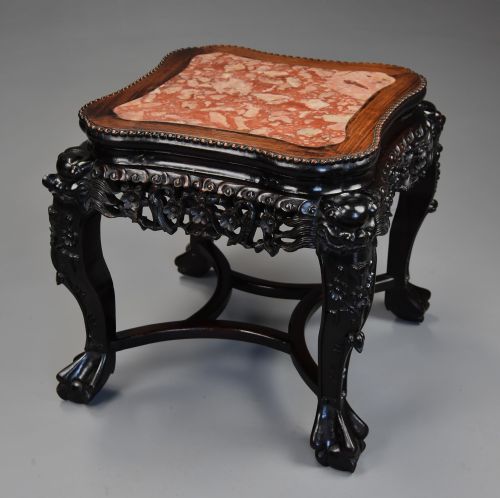
Origins vary across English workshops and continental influences, with occasional Chinese hardwood examples appearing with marble inset tops. These tables serve practical functions in drawing rooms and studies while anchoring a room with dense grain patterns.
Materials and construction methods
Makers utilised solid rosewood and hardwood foundations, often enhanced with intricate wood inlay, marquetry, and contrasting satinwood banding. Brass fittings and ormolu mounts frequently provide structural accents and decorative borders.
Surfaces occasionally incorporate inset leather panels for writing desks or fitted marble slabs for low pot stands and console tables. These combined materials reflect the varied aesthetic preferences of nineteenth and early twentieth century cabinet makers.
Shaped Top Rosewood Table Retail Price Guide 2026
Typical asking prices for shaped top rosewood table among the pieces listed under this phrase on Sellingantiques today, from the lower quarter to the upper quarter. They describe what is for sale here now, not the wider market.
Several tables manage to look simultaneously stately and fluid, proving that nineteenth-century timber could behave like ribbon.
Distinguishing finer examples
Quality rests in the precision of the timber shaping and the complexity of the marquetry or inlay work. Finer examples display harmonious grain alignment across curved surfaces and sophisticated structural joinery that maintains stability without rigidity.
The integration of secondary materials such as brass fittings, marble inserts, and leather skivers separates standard utility pieces from more ambitious cabinet work. Superior proportion and refined edge profiling elevate a piece beyond basic domestic joinery.
The Shaped Top Rosewood Table Glossary
- Rosewood
- A dense, heavily figured timber prized for its deep reddish-brown colour and dark grain markings. It provides a durable and polished surface for high-status nineteenth-century furniture.
- Marquetry
- The art of applying thin veneers of different woods and materials to form decorative patterns and pictures. This technique adorns the tops and borders of many centre tables.
- Ormolu
- Gilded bronze mounts and ornaments applied to furniture for decorative effect. It appears frequently on pieces influenced by French revival styles.
- Serpentine
- A gently curving edge or outline resembling the undulating shape of a snake. This profile defines the borders of numerous table tops and console edges.
Shaped Top Rosewood Table: Frequently Asked Questions
How are shaped top rosewood tables cleaned?
Dust regularly with a soft, dry cloth to prevent accumulation within carved details and marquetry crevices. Avoid harsh chemical cleaners that can degrade antique timber finishes.
Apply high quality beeswax periodically to nourish the rosewood and maintain its natural lustre without building up excessive residue.
Where should a centre table be placed?
Centre tables function best in the middle of principal rooms where their decorated surfaces and shaped profiles can be appreciated from all angles. Ensure adequate clearance around the piece for comfortable movement.
Keep tables away from direct heat sources and strong sunlight to prevent the rosewood from drying out or fading unevenly.
What is the difference between a centre table and a side table?
Centre tables are designed to stand free in an open space, featuring finished detail around every side of the base and top. They serve as visual anchors for a room.
Side tables generally stand flush against a wall, often lacking finished detail on the rear elevation due to their intended placement.
How do I identify Victorian rosewood furniture?
Victorian rosewood typically exhibits a deep reddish-brown hue with strong, dark grain contrasts and a dense weight. Construction methods often combine solid timbers with fine veneers. Ninteenth-century pieces frequently display revival styling, such as Louis XV curves or elaborate marquetry work, aligning with the periods recorded in the evidence.