






Shaped Overmantel Mirror
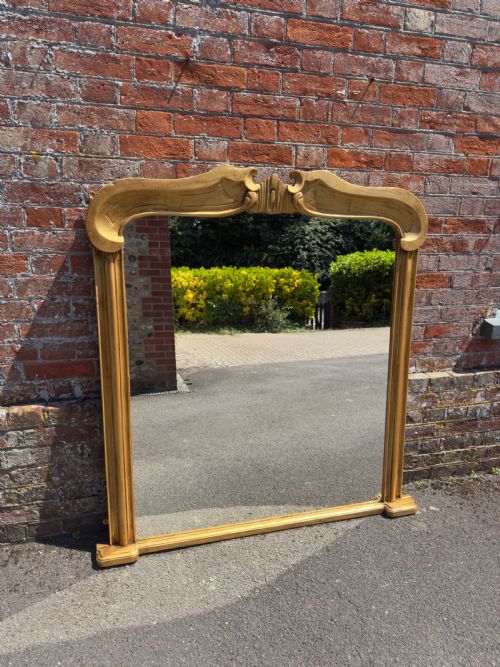
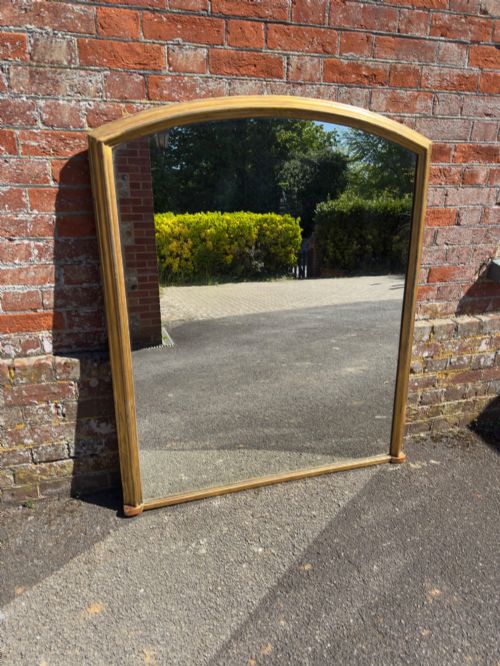
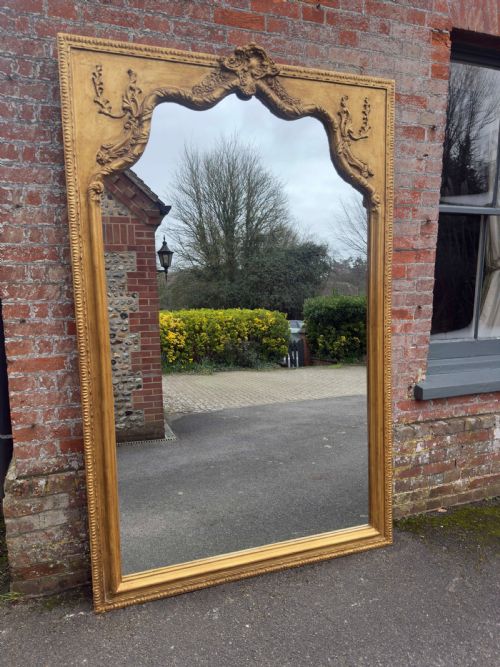
When choosing a shaped overmantel mirror, you are selecting a substantial architectural glass piece designed to anchor a fireplace and reflect light across a room.
Shaped Overmantel Mirror
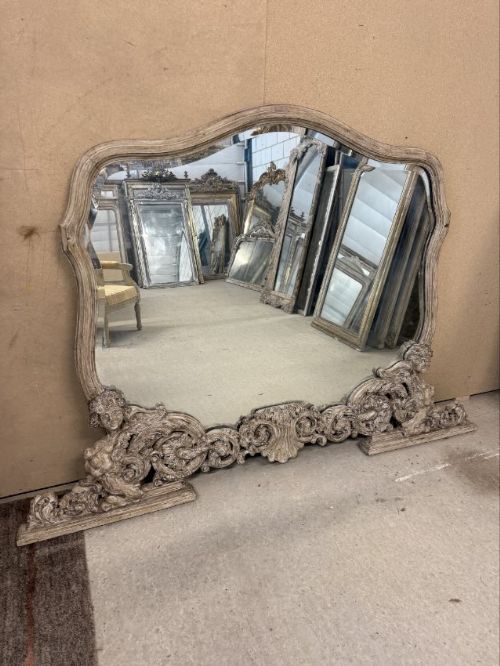
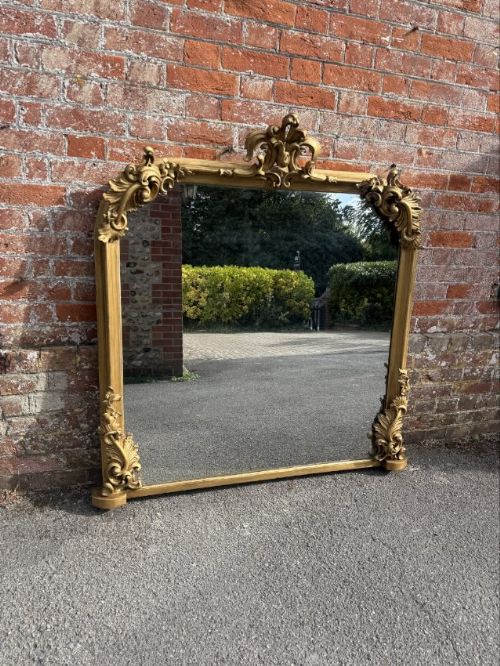
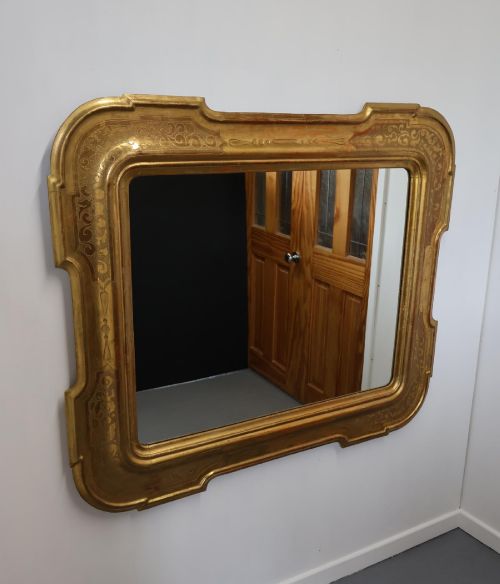
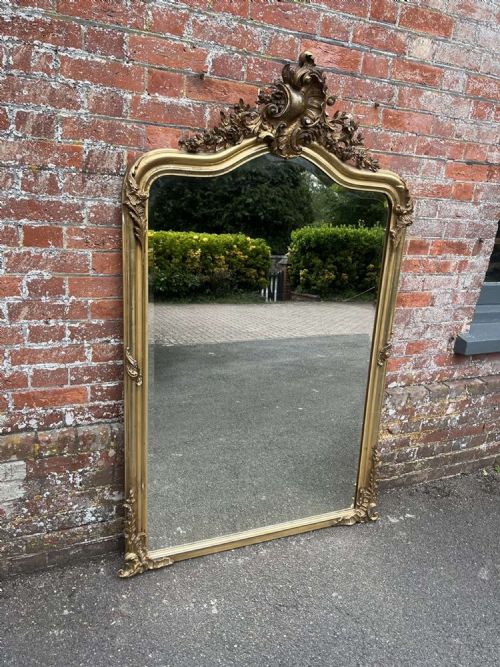
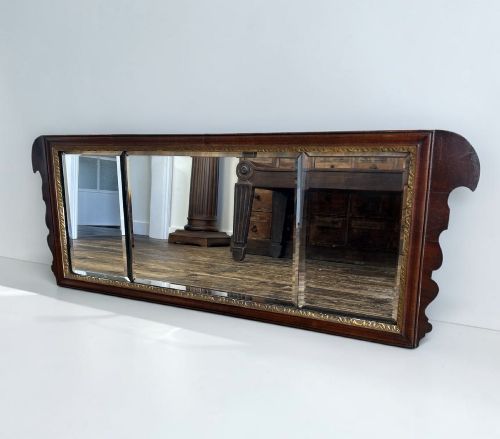
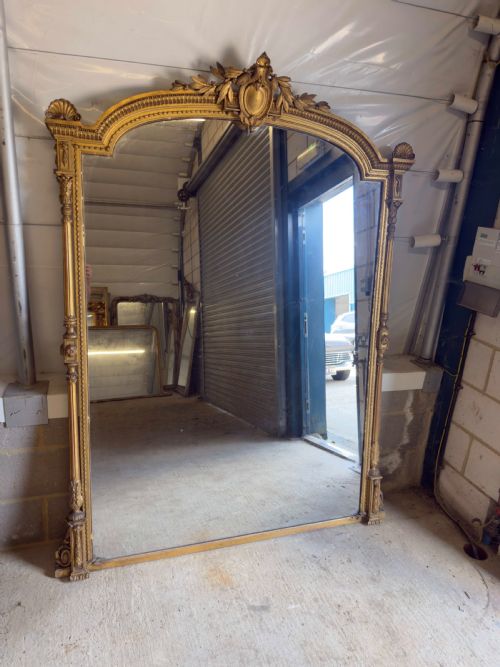
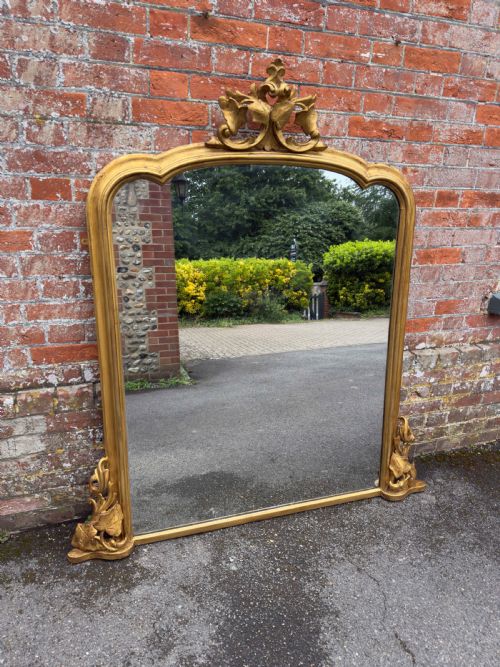
A shaped overmantel mirror provides a focal point above a fireplace mantel, combining functional reflection with decorative woodwork. The majority of pieces encountered here date from the nineteenth century, reflecting Victorian and French nineteenth-century design tastes.
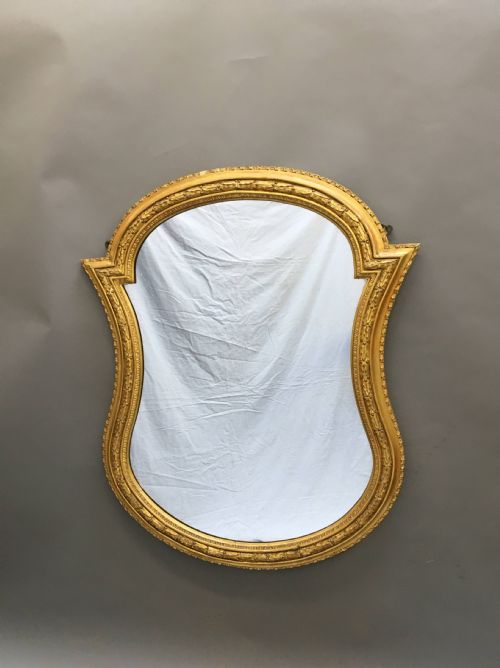
Makers shaped the wooden frames into distinctive contours, ranging from simple curved tops to elaborate cartouche, quatrefoil, and hourglass outlines. Both English and French origins appear frequently, spanning styles from Rococo Revival to later Art Deco interpretations.
The format typically balances width and height to sit comfortably above a hearth, often incorporating original gilding, gesso details, or painted finishes.
How they were made
Craftsmen built these frames using carved wood as a structural base, applying gesso layers to shape intricate surface decoration before gilding with gold leaf or painting. The underlying timber frequently includes walnut or pine, prepared to receive delicate mouldings like ribbed columns, laurel leaves, or beaded borders.
Glass plates were individually set into the rebated frames, sometimes utilising triple plate configurations or heavy mirror glass secured from the rear. Giltwood finishes required meticulous application of gold leaf over red or yellow bole, allowing burnishing to catch ambient light.
Shaped Overmantel Mirror Retail Price Guide 2026
Typical asking prices for shaped overmantel mirror among the pieces listed under this phrase on Sellingantiques today, from the lower quarter to the upper quarter. They describe what is for sale here now, not the wider market.
Some nineteenth-century frames incorporate an unexpected hourglass silhouette, neatly reminding us that time management worried Victorians just as much as interior design.
What varies in quality
The standard of a shaped overmantel mirror rests on the crispness of the wood carving and the depth of the gesso relief. Superior examples retain their original gilding or authentic painted surfaces without heavy modern intervention.
The integration of the glass plate to the frame and the retention of original mirror components also dictate the integrity of the piece. Well-preserved frames exhibit harmonious proportions where the curved top and decorative mouldings complement the scale of the reflective surface.
The Shaped Overmantel Mirror Glossary
- Gesso
- A plaster-like mixture applied to wood frames to create a smooth surface for carving and gilding. This compound allowed artisans to model crisp relief details before applying gold leaf.
- Overmantel
- A large mirror or decorative panel specifically scaled to hang on the wall directly above a fireplace mantelpiece. These pieces were proportioned to command the chimney breast.
- Cartouche
- An ornamental frame or tablet resembling a scroll or folded paper, often featuring prominently in Rococo Revival designs. The motif provides a dynamic, curved outline to the mirror top.
- Quatrefoil
- A decorative four-lobed shape resembling a clover, occasionally utilised in the framing geometry of nineteenth-century mirrors. This geometric flourish breaks away from standard rectangular formats.
- Parcel Gilt
- A finishing technique where portions of an exposed wood surface, such as walnut, are selectively highlighted with gold leaf while remaining areas show natural grain.
Shaped Overmantel Mirror: Frequently Asked Questions
How do I hang a heavy overmantel mirror?
These substantial frames require secure fixing directly into wall studs or masonry using heavy-duty brackets suited to the weight of the wood and glass.
Professional installation ensures the mirror distributes its weight safely above the fireplace mantel without straining the hanging hardware.
Why are nineteenth-century mirrors often gilt?
Gilding was applied to reflect candlelight and gas illumination around Victorian and French drawing rooms, maximising the available light in the interior.
Gold leaf also provided a durable, opulent finish that complemented the formal reception spaces where these mirrors hung.
Can I place an overmantel mirror on a console table?
While originally designed for chimney breasts, these large mirrors work effectively resting on low sideboards or console tables if properly anchored to the wall for stability.
Secure wall attachment prevents tipping while creating a similar architectural presence to a traditional fireplace placement.
How do I clean antique mirror glass?
Gentle dusting with a soft cloth preserves the delicate gesso and carved wood surrounds without introducing moisture to aged frames.
Glass surfaces should be wiped sparingly with mild cleaners applied to the cloth rather than sprayed directly, protecting the silvering behind the plate.