





Shaped Frame Mirror
When choosing a shaped frame mirror, you select a decorative reflective piece designed to alter the perceived depth and light of a room.
Shaped Frame Mirror
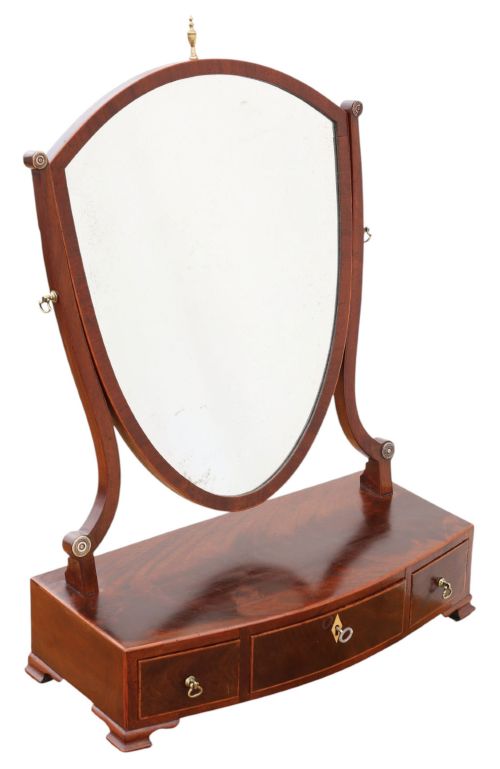
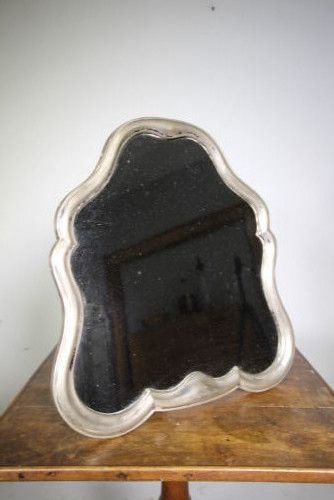
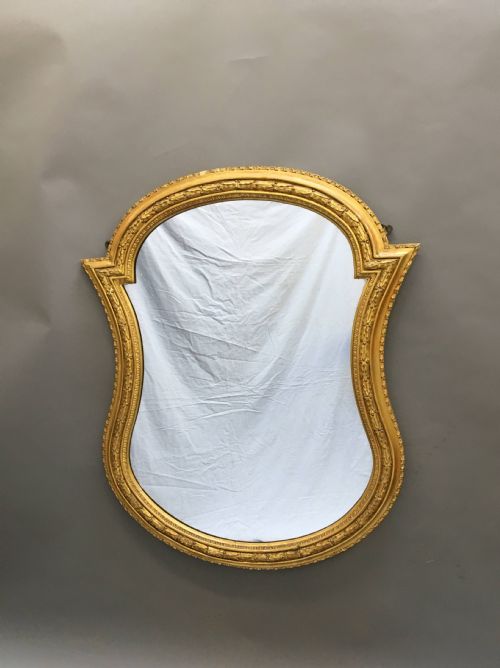
A shaped frame mirror introduces curvilinear geometry and architectural interest into domestic interiors through diverse silhouettes ranging from serpentine outlines to quatrefoil and shield forms. These pieces function simultaneously as utilitarian looking glasses and as substantial wall decorations across multiple historic periods.
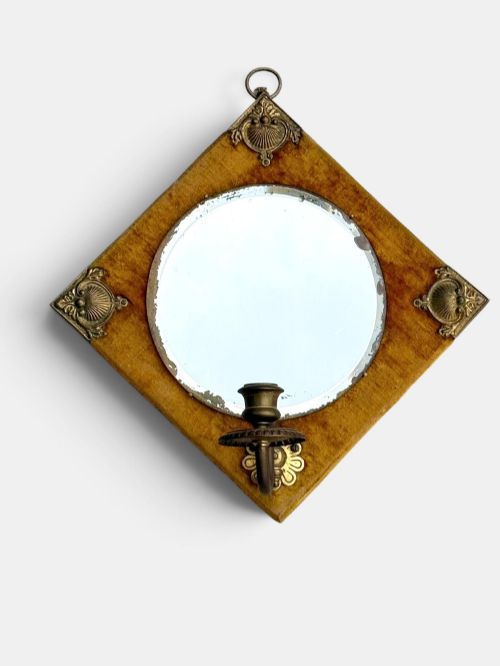
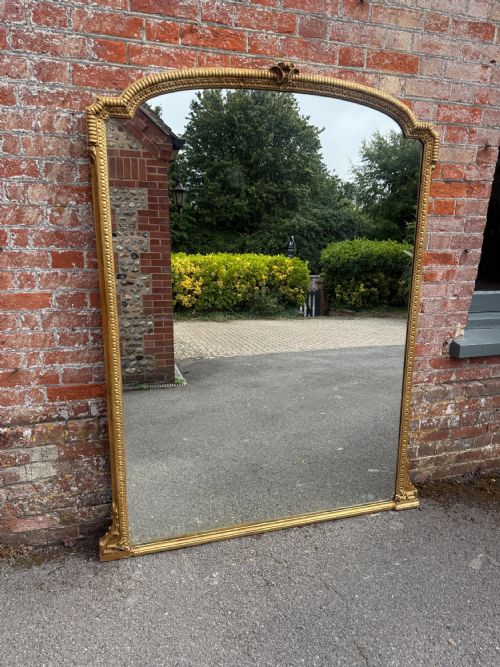
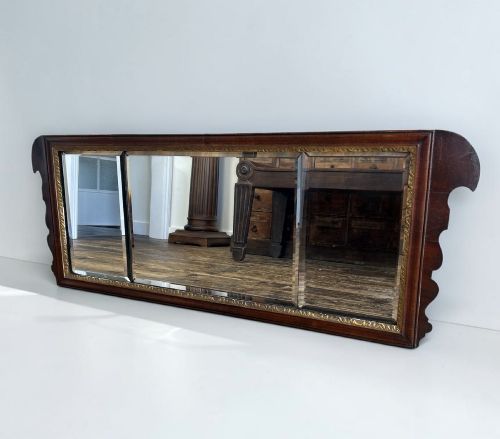
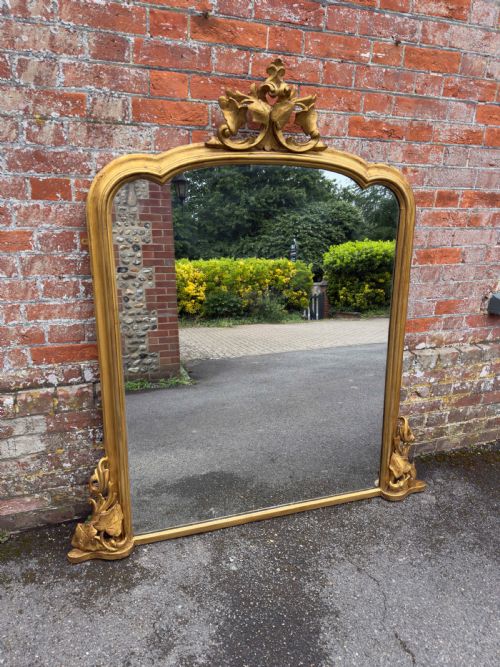
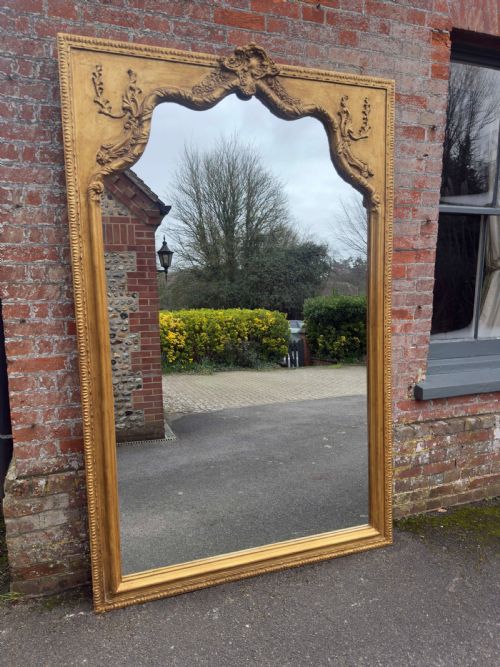
The most common examples encountered in current selections include nineteenth century overmantel mirrors with carved wood and gesso frames, alongside dressing table swing mirrors and compact wall hung designs from the Victorian and Edwardian eras. These domestic objects reflect changing interior tastes from austere early forms to ornate revival styles.
Originating primarily from English and French workshops, the inventory spans centuries of craftsmanship from walnut Georgian frames to painted Edwardian and Arts and Crafts copper mounts. Each geographic origin brings distinct decorative vocabularies to the curved framing timbers and plate glass arrangements.
How They Were Made
Makers constructed the foundational framework of these mirrors using timber substrates such as mahogany, walnut, oak, or carved wood that supported applied plaster ornaments known as gesso. Artisans then coated these built up surfaces with gold leaf, silver, or paint to achieve the lustrous finishes seen on period examples.
Glass production involved casting and silvering techniques that created the reflective plates, occasionally held within rebated frames by wooden slips or secured with brass mounts and velvet backings. Specialised joinery accommodated the complex curves of shield, heart, and arched upper profiles without compromising structural integrity.
Surviving examples demonstrate diverse hanging formats including cheval mirrors, dressing table swing glasses, and wall mounted overmantels.
What Varies In Quality
Depth and crispness of hand carving on the wooden substrate separate standard production items from masterworks, particularly where gesso enrichment forms intricate ribbon, rope twist, or leaf motifs. Superior examples maintain sharp definition in applied ornament without the softening caused by excessive layers of subsequent overpaint.
The integrity of the original mercury or silvered mirror glass contributes significantly to the standing of a piece, alongside the preservation of original gilding and backboards. Structural soundness in the joinery of curved framing members ensures the heavy glass remains securely housed within its decorative border.
The Shaped Frame Mirror Glossary
- Gesso
- A plaster mixture applied to wood frames to create a smooth surface for gilding or painting. Artisans mould this material into relief decorations before applying gold leaf.
- Overmantel Mirror
- A large horizontal mirror designed to hang specifically above a fireplace mantelpiece. These pieces often feature shaped tops to complement architectural chimney breasts.
- Cheval Mirror
- A freestanding full length mirror suspended on a central swivel frame between four legs. This form allows the looking glass to tilt at various angles.
- Parcel Gilt
- A decorative technique where only specific portions of a wooden or painted frame receive a gold leaf finish. This method highlights carved details against a contrasting background.
- Quatrefoil
- A symmetrical decorative shape composed of four overlapping circles or leaf like lobes. Mirror frames featuring this geometry draw heavily on Gothic architectural motifs.
Shaped Frame Mirror: Frequently Asked Questions
How do I hang a heavy overmantel mirror safely?
Heavy overmantel mirrors require robust wall anchorages secured directly into masonry or substantial stud framing to support their considerable weight safely. Professional mirror hangers utilise heavy duty steel brackets and fixings matched to the specific wall construction.
Ensuring the hanging wire or integrated D rings on the rear wooden frame match the weight rating prevents accidental structural failure. Positioning the piece at the correct height above the fireplace anchors the visual balance of the room.
What is the difference between an overmantel and a wall mirror?
Overmantel mirrors are traditionally proportioned to span the horizontal width of a fireplace mantelpiece, featuring architectural details designed for that specific focal point. Standard wall mirrors focus on vertical or compact compositions suited for general room placement.
While both utilise shaped frames, overmantels tend to be substantially heavier and wider to balance the mass of a chimney breast. Wall mirrors offer greater flexibility for smaller domestic spaces like hallways or dressing rooms.
How should I clean antique mirror glass?
Cleaning historic mirror glass requires minimal moisture and gentle application to protect fragile silvering and vulnerable frame edges. Mild soap solutions applied sparingly on a soft cloth prevent moisture penetration behind the glass plate.
Harsh chemical ammonia sprays dissolve historical backing compounds and damage delicate giltwood or gesso surfaces adjacent to the glass. Regular dusting with a dry microfibre cloth remains the safest maintenance method.
Can I date a mirror by its frame style?
Frame styles provide reliable chronological markers based on prevailing aesthetic movements from Georgian walnut to Victorian rococo revival and Edwardian arts and crafts. Cabinetmakers incorporated specific decorative vocabulary like ribbon twists, laurel leaves, or lacquer work peculiar to their decade of manufacture.
Cross referencing the joinery techniques and wood species on the reverse confirms the stylistic indicators observed on the front profile. Minor revival periods occasionally replicate earlier historic aesthetics, requiring careful inspection of material ageing.