

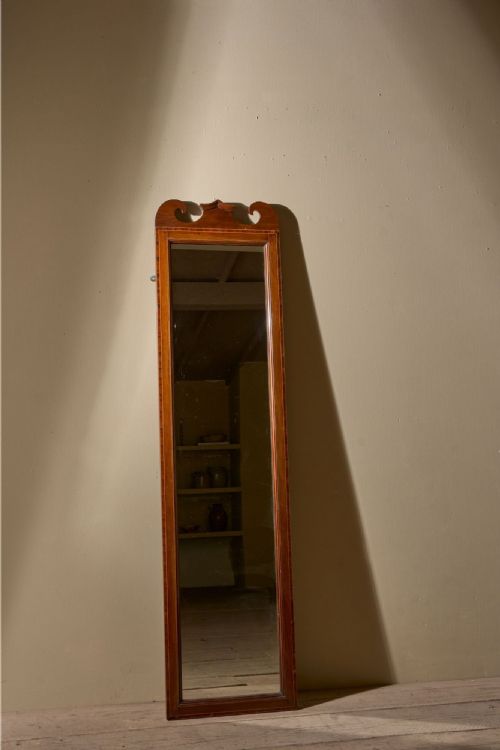
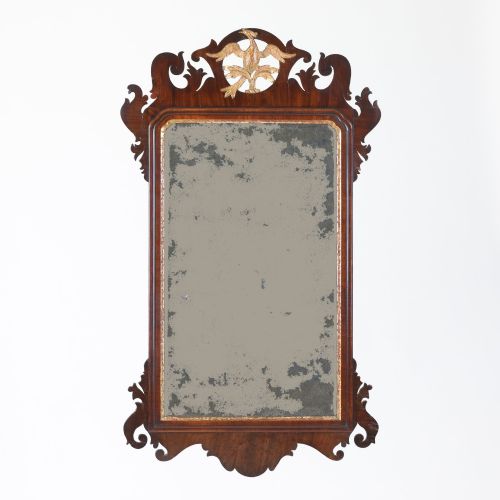
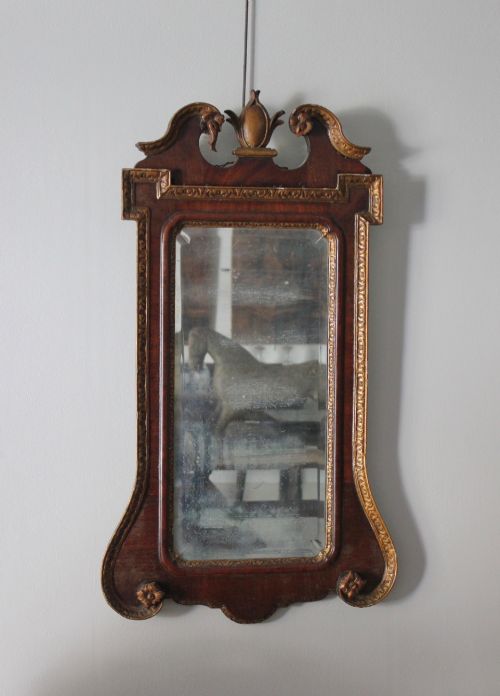


Scrolled Crest Mirror
A scrolled crest mirror brings period character to a room through distinctive carved woodwork and traditional proportions.
Scrolled Crest Mirror
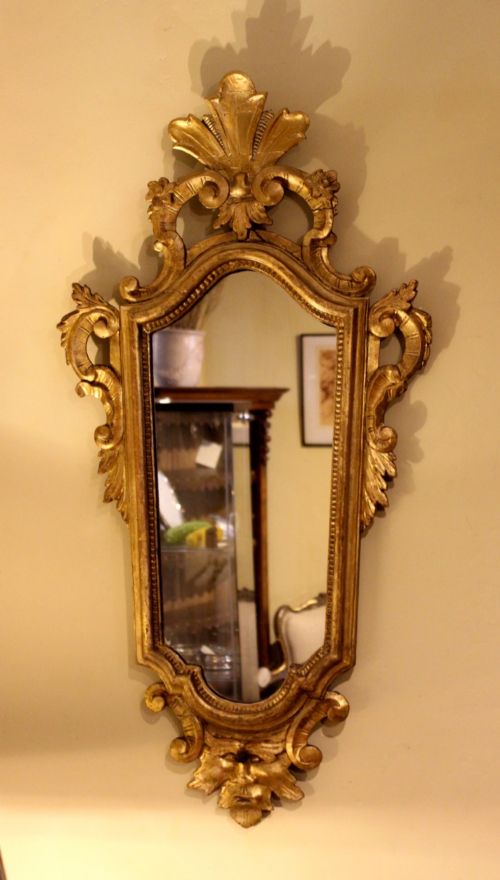
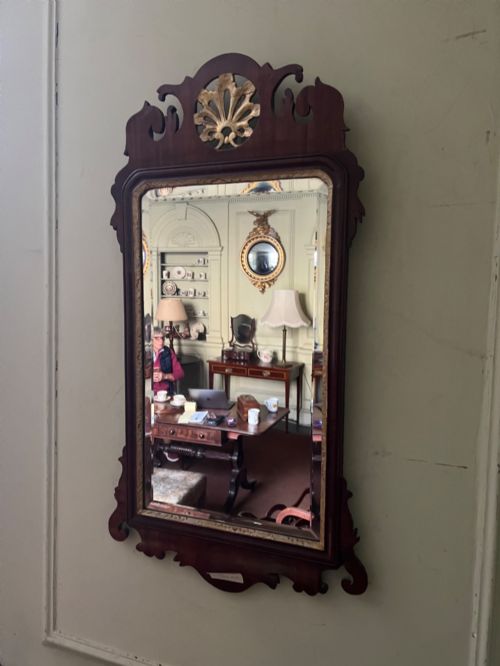
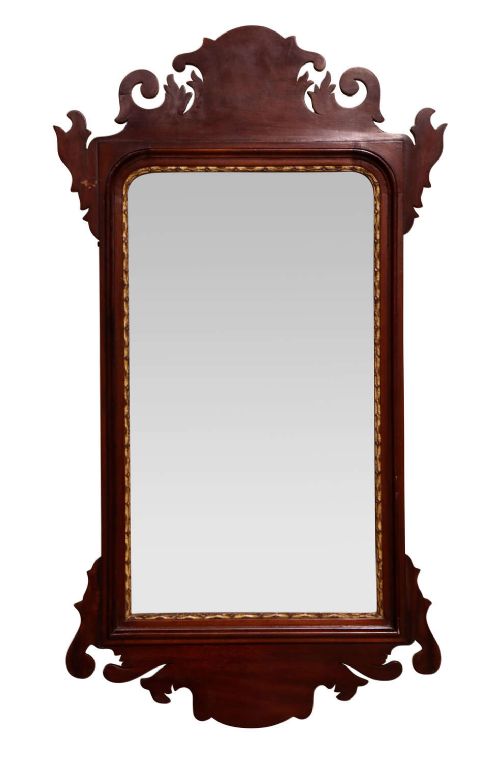
When you search for a scrolled crest mirror, you find wall-hanging pieces defined by shaped wooden frames and decorative upper pediments. The selections span Georgian originals and later revival styles, drawing on 18th century forms.
Mahogany and walnut predominate among the timbers, often shaped into fretwork silhouettes or framed with giltwood and gesso details. Pier mirrors and overmantel versions sit alongside smaller wall hangings.
How they were made
Cabinetmakers constructed these frames using dense timbers like mahogany and walnut, frequently applying veneers or intricate fretwork cutting. Carved crests often incorporated ornamental motifs such as birds or scrolling foliage.
Giltwood and painted finishes required layers of gesso applied to a wooden base before gilding or decorating. Mirror glass was set into the rebates, occasionally retaining early Vauxhall plates with bevelled edges.
Scrolled Crest Mirror Retail Price Guide 2026
Typical asking prices for scrolled crest mirror among the pieces listed under this phrase on Sellingantiques today, from the lower quarter to the upper quarter. They describe what is for sale here now, not the wider market.
Listings feature mahogany, walnut, and giltwood frames spanning the Georgian era, the Victorian period, and early 20th-century revivals.
What varies in quality
The crispness of the fretwork carving and the depth of the crest define the standard of the woodwork. Finer examples display precise scrollwork and balanced proportions that reflect the skill of the original workshop.
Surface preservation affects the character of the piece, from untouched timber patination to the integrity of original gilding. The quality of the mirror plate itself also influences the overall visual depth.
The Scrolled Crest Mirror Glossary
- Fretwork
- Openwork patterns cut from thin boards using a scroll saw or fretsaw. This technique created the intricate outlines seen on many 18th century frames.
- Gesso
- A plaster mixture applied to wood surfaces as a preparation for gilding or painting. It allowed craftsmen to carve fine decorative relief details before applying gold leaf.
- Pier mirror
- A tall glass designed to hang on the wall space between windows. These pieces often matched console tables in formal period interiors.
- Overmantel mirror
- A wide glass created to sit directly above a fireplace mantelpiece. They typically filled the horizontal space beneath the chimney breast.
Scrolled Crest Mirror: Frequently Asked Questions
How do I identify a Georgian original?
Look for timber construction methods appropriate to the 18th century, such as old pine secondary woods and hand-cut joinery. The patination on the timber and the quality of the fret-cut crest offer clues to the age of the piece.
Original mirror glass often displays subtle distortions, slight foxing, or thin bevels consistent with early manufacturing techniques. Revival pieces from the Victorian era or later periods generally show different secondary woods and sharper, more uniform machine cutting.
What is a Ho-Ho bird motif?
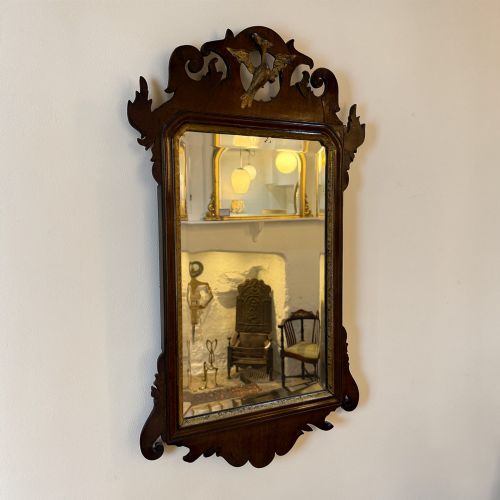
The Ho-Ho bird is a stylized Chinese phoenix frequently carved into the crests of mid-18th century mirrors. It reflects the era's taste for Chinoiserie design within Chippendale-style woodwork.
This decorative feature sits at the apex of the scrolled pediment, flanked by asymmetric leafy scrolls. Its presence is characteristic of high-style Georgian fretwork frames.
How do I care for antique mirror glass?
Clean the glass gently using a soft cloth and minimal moisture to avoid seeping behind the plate. Avoid harsh chemical sprays that can damage old silvering or seep into vulnerable wooden frames.
Dust the carved wooden or gilded crest regularly with a dry, soft brush. Keep the mirror away from direct sunlight and damp walls to preserve the integrity of the antique frame.