
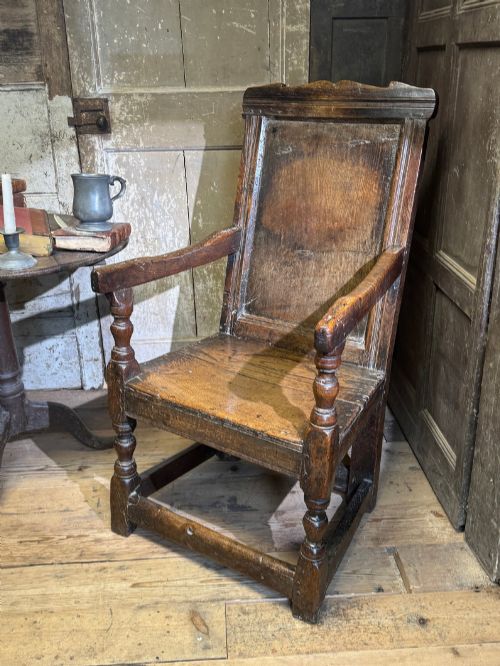

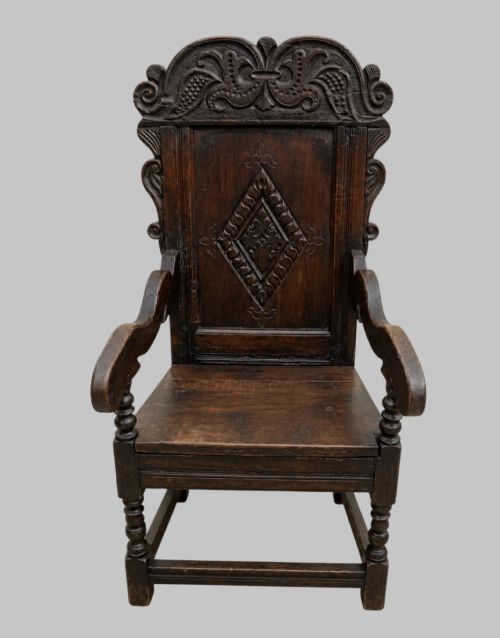


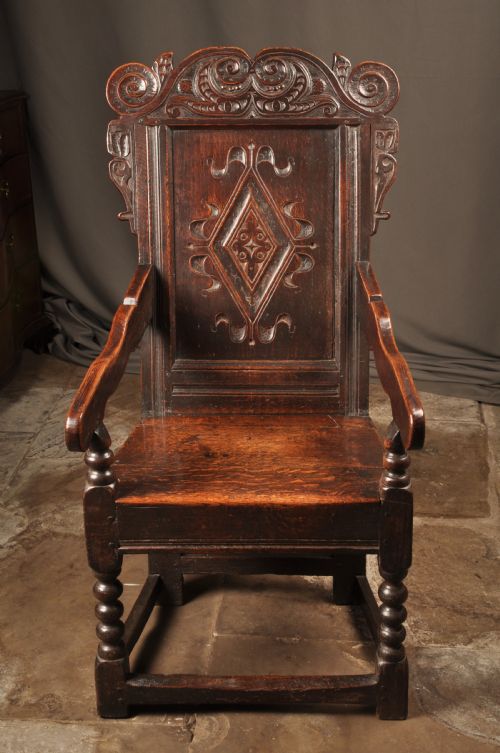


Seventeenth Century Wainscot Armchair
A seventeenth century wainscot armchair is a solid timber seat built to last generations, offering a tangible link to early domestic life.
Seventeenth Century Wainscot Armchair
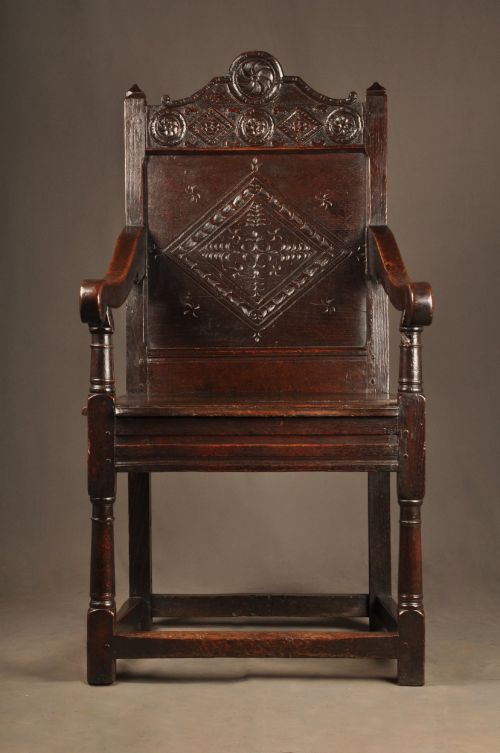
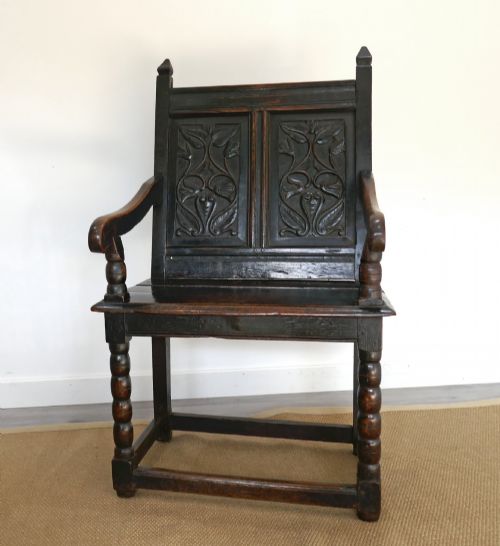
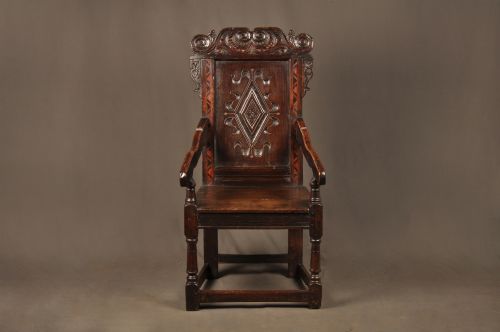
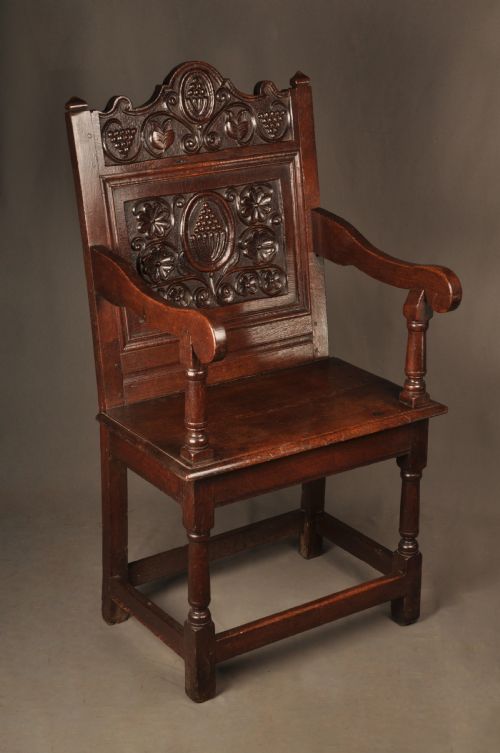
A seventeenth century wainscot armchair is a heavy wooden seat constructed with panelled backs, solid wooden arms, and sturdy upright posts. When you search for a seventeenth century wainscot armchair, you encounter regional variations from Lancashire, Cheshire, Yorkshire, Wales, and the West Country.
Most examples date from the 17th century, though Victorian revivals and later copies also appear alongside pieces from the 18th century. These chairs serve as primary seating for the head of a household or as substantial fireside furniture.
Regional forms range from standard adult proportions to smaller scaled ladies or children variants, as well as large master armchairs. The structural layout relies on joined framework rather than simple nailing or gluing.
Materials and construction
These armchairs are built from solid oak, utilising traditional mortise and tenon joints secured with wooden pegs. The timber is often heavy and dense, selected to withstand daily household use over centuries.
Back panels frequently display carved decoration, geometric patterns, or foliate motifs worked directly into the solid wood surface. Arms and supports are shaped from thick planks, joined firmly to the seat and base rails.
Regional variants recorded on this site include examples from Yorkshire, Lancashire, Cheshire, Wales, and the West Country.
Assessing quality and proportion
Quality depends upon the crispness of the carved detail and the integrity of the original joined framework. Pieces retaining their original timber surfaces and authentic proportions command greater attention than those with extensive later alterations.
The depth of colour and the preservation of the patination acquired through centuries of handling distinguish superior examples. Heavy replacement of structural members or altered bases alter the character of the piece.
The Seventeenth Century Wainscot Armchair Glossary
- Wainscot
- A term originally describing fine wooden panelling, later applied to heavy wooden armchairs featuring panelled backs. These chairs represent substantial domestic status.
- Joined oak
- Furniture construction utilising tightly fitted mortise and tenon joints held together by wooden dowels. This method precedes the widespread use of metal screws and nails.
- Jacobean
- The period spanning the reign of James I, associated with robust furniture styles and geometric carved ornamentation. Pieces from this era often display deep mouldings.
- Patination
- The surface sheen and colour developed by wood through age, handling, and exposure to light. Original patination is valued for its depth and visual warmth.
- Foliate
- Carved ornamentation based on leaf patterns, vines, or floral motifs. This style frequently decorates the back panels of early armchairs.
Seventeenth Century Wainscot Armchair: Frequently Asked Questions
What is a wainscot armchair?
A wainscot armchair is a heavy wooden seat constructed with panelled backs and solid timber arms, originating from the period when wood panelling lined interior walls.
These chairs served as principal seats within early households, offering shelter from drafts through their enclosed wooden backs and sides.
How do I spot a later reproduction?
Later copies often date from the Victorian revival period and display machine tool marks, lighter timber weights, or mismatched wood ageing.
Original 17th century pieces exhibit hand-tooled surfaces, traditional peg construction, and authentic surface patination built up over centuries of use.
Where were these chairs made?
They were produced across various English regions and Wales, with specific structural and decorative traits linking them to areas such as Yorkshire, Lancashire, and Cheshire.
Regional cabinet makers utilised local timber supplies and traditional workshop patterns specific to their particular county.
How do I care for solid oak?
Solid oak furniture requires stable indoor humidity levels and protection from direct heat sources to prevent timber splitting.
Applying occasional appropriate wax polish helps maintain the surface sheen without building up thick residues on the antique wood.