

Seventeenth Century Storage Box
A seventeenth century storage box is a utilitarian vessel built to hold domestic valuables, taking the form of a coffer, chest, or bible box.
Seventeenth Century Storage Box
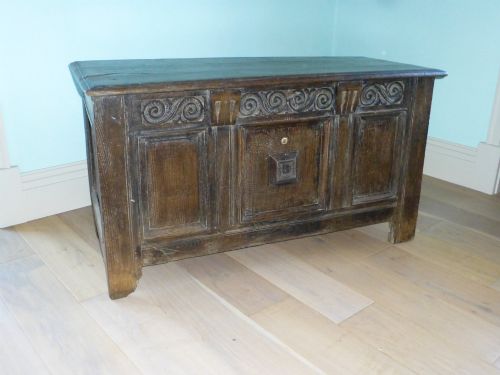
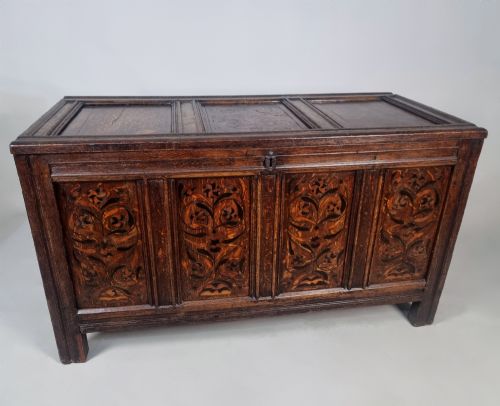
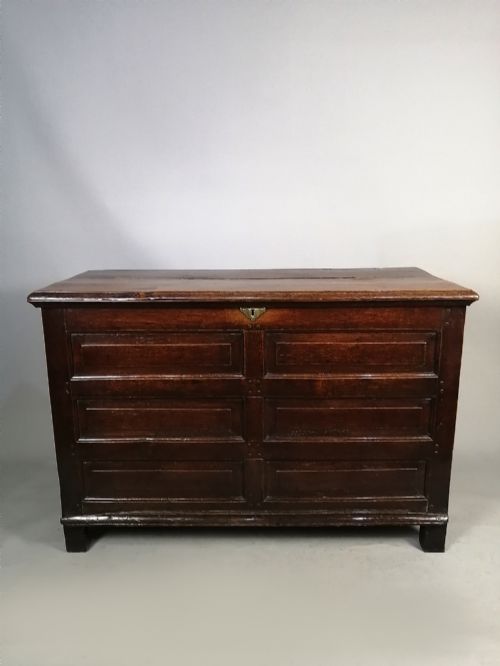
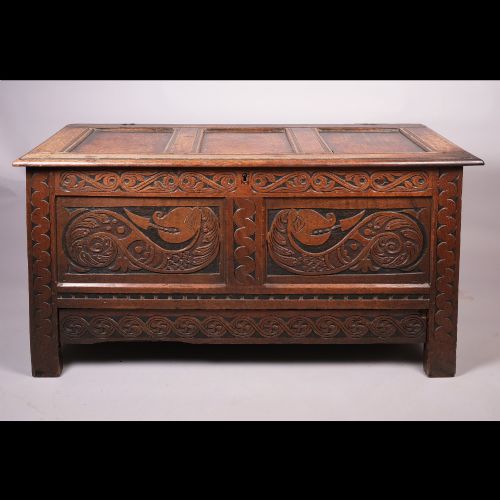
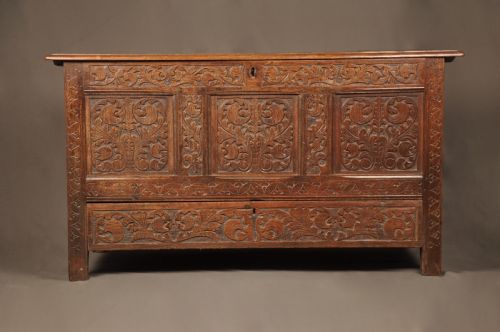
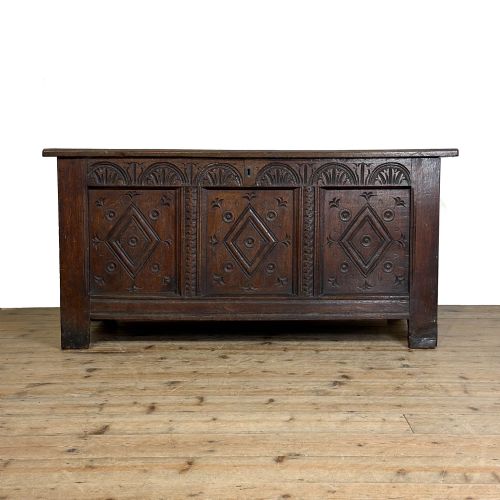
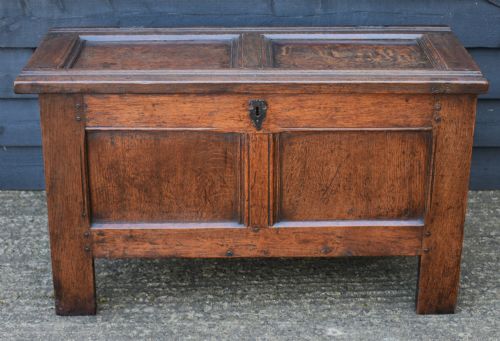
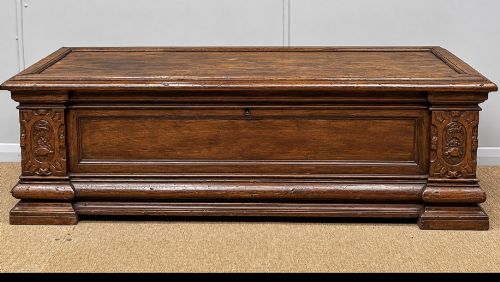
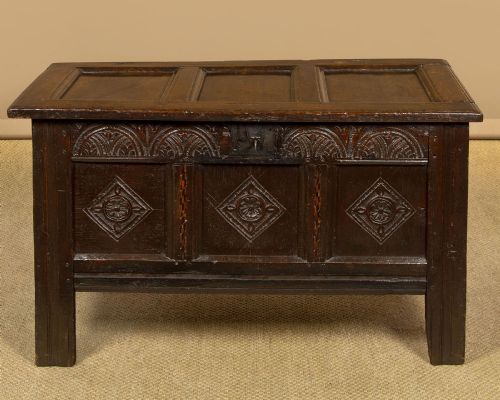
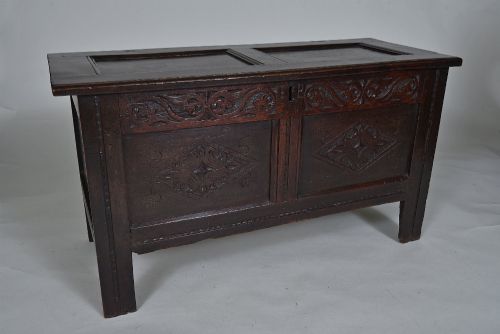
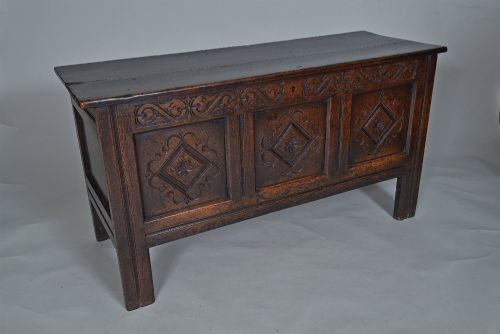
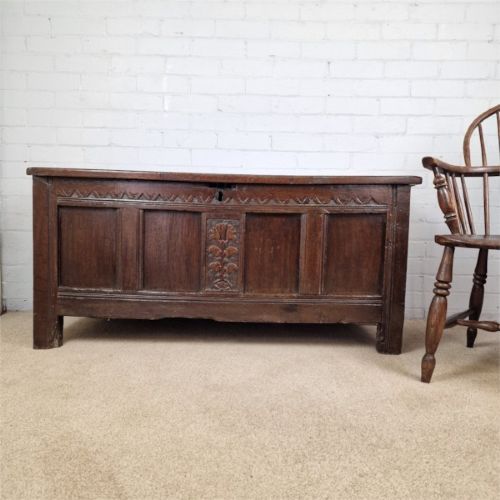
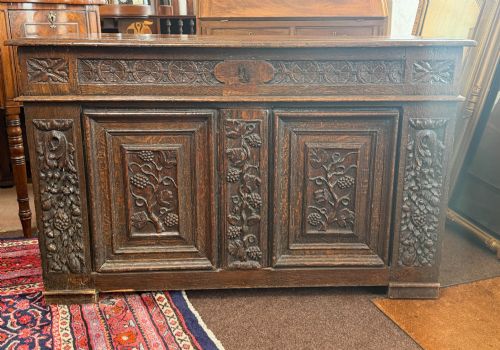
When you search for a seventeenth century storage box, you encounter sturdy timber containers designed for household security and storage. The most common form on this page is the oak coffer or panelled chest, often associated with English, Welsh, or regional West Country workshops.
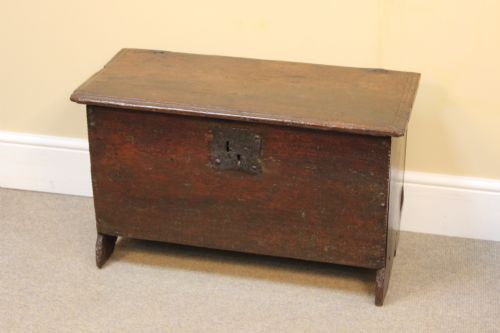
These pieces range from small table-top bible boxes and lace boxes to large blanket boxes, mule chests, and marriage chests. Regional variations appear in listings from Snowdonia, the Gower Peninsula, Leeds, and Dorset, showing distinct local carving traditions.
While many examples belong firmly to the seventeenth century and Jacobean styles, later adaptations and regional copies from the eighteenth and nineteenth centuries also occur. Buyers select these objects for their robust utility and historic presence in domestic interiors.
Materials and Construction
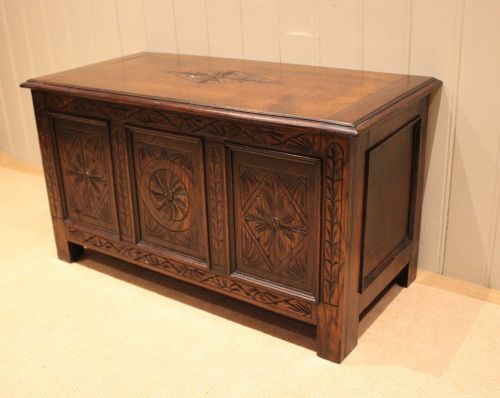
Makers built these storage boxes primarily using solid oak timber, joined by frame-and-panel construction or traditional six-plank methods. Iron and brass feature in hinges, locks, and binding straps, while wood inlay, timber inlay, and marquetry enrich specific panels.
Surface decoration relies on hand-carved motifs such as arcading, geometric patterns, and linen fold panels. Travelling boxes introduce leather applied over timber carcasses, secured with decorative brass nails.
Seventeenth Century Storage Box Retail Price Guide 2026
Typical asking prices for seventeenth century storage box among the pieces listed under this phrase on Sellingantiques today, from the lower quarter to the upper quarter. They describe what is for sale here now, not the wider market.
Storage box forms include coffers, mule chests, bible boxes, and travelling trunks.
Craftsmanship and Proportion
Quality in a seventeenth century storage box rests on the crispness of the hand-carving and the integrity of the original joinery. Pieces featuring detailed arcaded panels, marquetry inlay, or documented regional origins stand apart from plain utility boxes.
Proportion and scale heavily influence desirability, with smaller proportions and intact original surfaces commanding greater attention. The presence of contemporary hardware, locks, and untouched timber patination distinguishes superior examples.
Thomas Dennis
The Seventeenth Century Storage Box Glossary
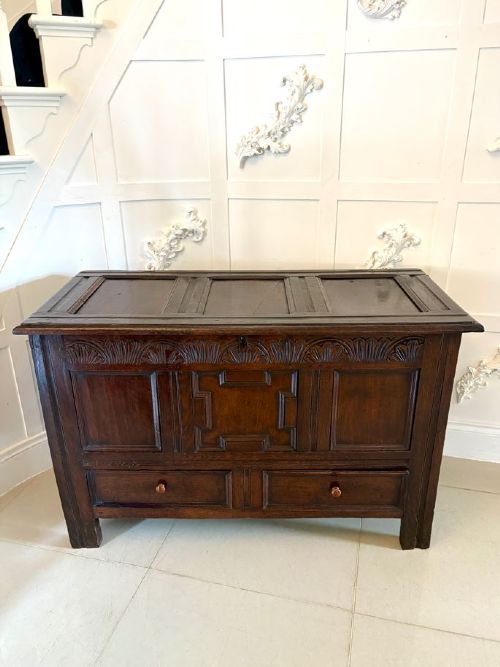
- Mule chest
- A storage chest fitted with one or more drawers beneath the main compartment. This form bridges the gap between the traditional coffer and the modern chest of drawers.
- Bible box
- A small desk-style box with a sloped or flat lid, originally built to hold family Bibles and important manuscripts. They often sat on tables or stands.
- Joined oak
- Furniture constructed using mortise and tenon joints secured with wooden pegs rather than simple nailed planks. This method provided superior structural strength.
- Marquetry
- The art of applying decorative veneer pieces in wood inlay to form geometric or pictorial designs on a surface. It adds visual complexity to panel fronts.
- Arcading
- A decorative carved frieze depicting a series of arches supported by columns. This architectural motif frequently appears on Jacobean panels.
Seventeenth Century Storage Box: Frequently Asked Questions
What is a seventeenth century storage box?
A seventeenth century storage box is a heavy timber container used in early homes to keep clothing, valuables, and documents secure. These objects include joined oak coffers, bible boxes, and mule chests.
Built to withstand domestic wear, they served practical functions as tables, seating, and storage units in one. Today, collectors use them to anchor traditional interiors or store household textiles.
How do I tell a bible box from a coffer?
A bible box is a smaller, portable box designed to sit on a table, often featuring a sloping lid for reading or writing. A coffer is a much larger floor-standing chest meant for bulk storage.
Coffers rest directly on the floor or short stile extensions, while bible boxes are easily lifted by one person. Both utilise period oak construction and carved panels.
Where were these storage boxes made?
These boxes originated across England and Wales, with specific regional variations tied to local carpenter workshops. Examples are recorded from areas such as Dorset, the Gower Peninsula, and Snowdonia.
Regional carpentry styles often reflect local tastes in carving and assembly methods. Certain pieces bear links to specific West Country workshops and historic woodworking dynasties.
How do I care for an antique oak box?
Protect an antique oak box by placing it away from direct heat sources and strong sunlight, which dry out the timber. Maintain stable indoor humidity to prevent wood movement.
Apply traditional beeswax occasionally to nourish the surface and preserve the historic patination. Avoid harsh chemical cleaners or modern polishes that strip the finish.