





Historic Oak Blanket Chest
A historic oak blanket chest is a sturdy timber storage piece built to hold household linens, combining centuries-old craftsmanship with enduring utility.
Historic Oak Blanket Chest
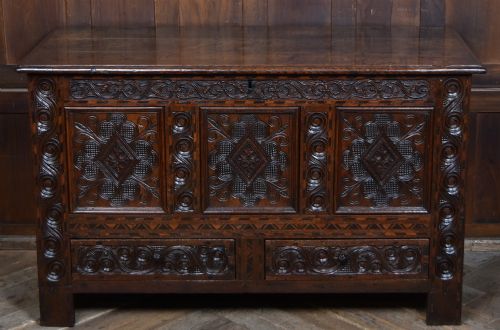
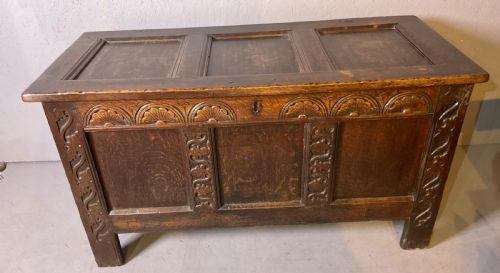
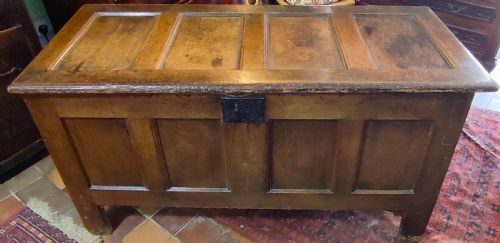
A historic oak blanket chest represents heavy domestic storage spanning multiple centuries, featuring robust timber construction designed to protect household textiles. When exploring this selection, buyers encounter forms ranging from boarded coffers to joined Lancashire chests and mule chests.
The pieces available here bridge several distinct eras, stretching from Elizabethan and Tudor origins through Jacobean periods into the eighteenth century and occasional nineteenth-century interpretations. These works serve as practical furniture that simultaneously anchors a room with dense grain and historical presence.
Makers utilised durable local hardwoods to build vessels that endured heavy household use, occasionally incorporating wood inlay, brass, or iron fittings. Each item carries the marks of its specific century, whether through plain board construction or intricate carving.
Materials and construction methods
Craftsmen built these chests primarily from solid oak, relying on heavy timber planks joined by hand to create rigid storage boxes. Joinery techniques varied from early boarded construction held by wrought iron to sophisticated framed panels characteristic of later centuries.
Surface decoration involved hand-carving directly into the timber, sometimes accented with wood inlay or fitted with brass and iron hardware. These physical components ensured structural integrity while providing decorative contrast against the dark wood grain.
Historic Oak Blanket Chest Retail Price Guide 2026
Typical asking prices for historic oak blanket chest among the pieces listed under this phrase on Sellingantiques today, from the lower quarter to the upper quarter. They describe what is for sale here now, not the wider market.
Many sixteenth-century boards still bear the rough marks of the pit saw used to cut the timber by hand.
Assessing quality in early chests
Quality reveals itself in the integrity of the timber selection and the precision of the original joinery, distinguishing utilitarian boxes from fine cabinet work. The depth and execution of period carving further separate standard regional pieces from superior workshop examples.
The preservation of original iron or brass hardware and authentic structural timber heavily influences the standing of each piece. Survival of untouched surfaces and authentic period fixings marks the distinction between altered items and those retaining their original character.
The Historic Oak Blanket Chest Glossary
- Cofer
- A large strongbox or chest used for storing valuables, linens, and domestic goods. These heavy timber receptacles formed the backbone of early household storage before fitted wardrobes became common.
- Mule chest
- A storage chest featuring one or more drawers at the base beneath the main compartment. This form bridges the traditional coffer and the modern chest of drawers.
- Boarded construction
- A simple method of building chests by pinning heavy vertical planks together at the edges using nails or dowels. This technique represents some of the earliest surviving cabinetmaking traditions.
- Joined construction
- A sophisticated method using frame-and-panel techniques rather than simple boards to build furniture. This allowed timber to expand and contract naturally with humidity changes without splitting.
- Inlay
- A decorative technique where contrasting pieces of wood are inserted into recesses cut into the primary surface. This ornament adds visual complexity to the flat panels of early furniture.
Historic Oak Blanket Chest: Frequently Asked Questions
What is a historic oak blanket chest?
A historic oak blanket chest is a heavy timber storage box built centuries ago to safeguard textiles, clothing, and household valuables from dampness and pests.
These pieces range from early boarded Elizabethan coffers to joined seventeenth-century Lancashire chests and later mule chests equipped with lower drawers.
How were these chests used originally?
Households relied on these sturdy wooden vessels to store blankets, linens, and personal belongings in domestic chambers or great halls.
Because they were heavy and secure, people also used them to transport goods or safeguard family documents and silver.
How do I tell different centuries apart?
Sixteenth-century and early seventeenth-century pieces often utilise simple boarded construction or heavy Elizabethan and Jacobean carving styles.
Later seventeenth and eighteenth-century examples typically employ refined joined frame-and-panel techniques, sometimes incorporating drawers at the base.
What is the difference between a coffer and a mule chest?
A coffer is a single-compartment storage chest accessed by lifting the top lid, representing the earliest form of heavy timber box.
A mule chest adds one or more drawers beneath the main lidded compartment, combining box storage with drawer accessibility.
How do I live with a historic oak chest?
These chests function well as living room coffee tables, hallway storage benches, or bedroom linen depositories, adding historical weight to an interior.
Place them away from direct heat sources and sudden humidity shifts to protect the antique timber and original joinery.