



Seventeenth Century Oak Bed
A seventeenth century oak bed brings solid timber and carved panels into a room with the quiet weight of history.
Seventeenth Century Oak Bed
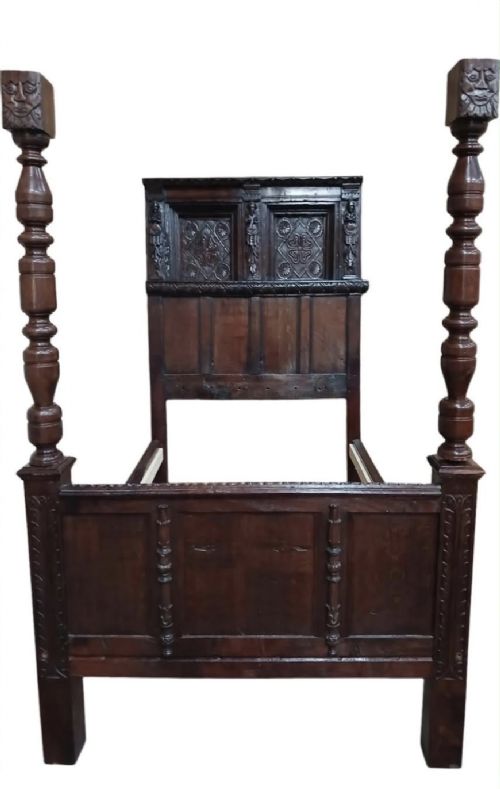
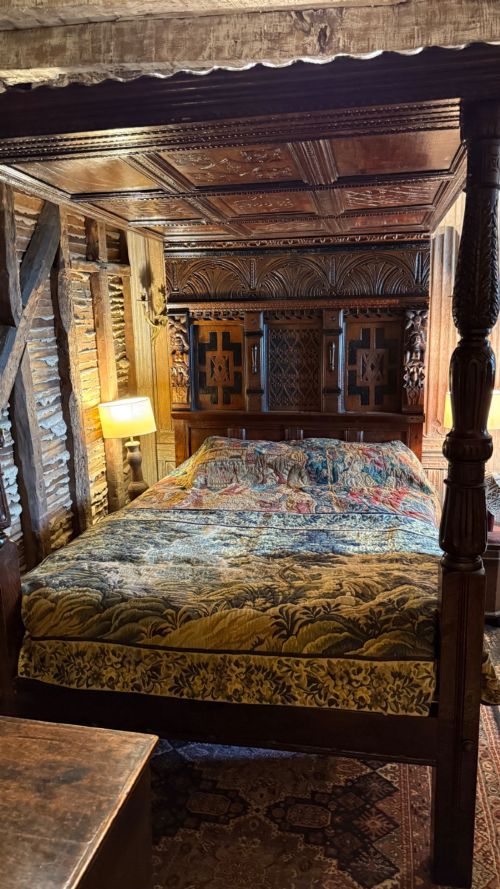
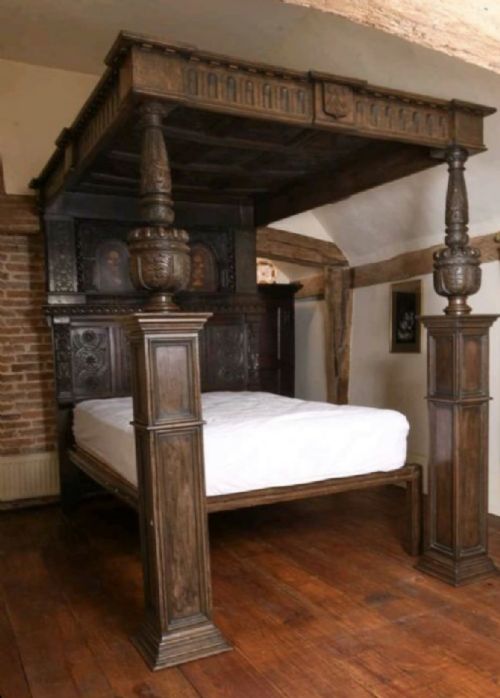
A seventeenth century oak bed takes the form of a four poster tester bed, built to command a principal chamber with architectural columns and panelled headboards. Alongside proper sleeping berths, the listings group related storage pieces such as coffers and blanket boxes under the broader domestic banner.
Most examples hail from the seventeenth century itself, bearing the hallmarks of the Jacobean and Charles I periods through deeply carved geometric motifs. Buyers also encounter later revivals from the nineteenth century and nineteen ten, which replicate the timber heft of the earlier originals.
Materials and Construction
Constructed primarily from sturdy oak, these pieces rely on traditional joinery methods that lock heavy timbers together without modern adhesives. Selected items incorporate secondary woods such as fruitwood for decorative inlay work alongside structural iron and brass fixings.
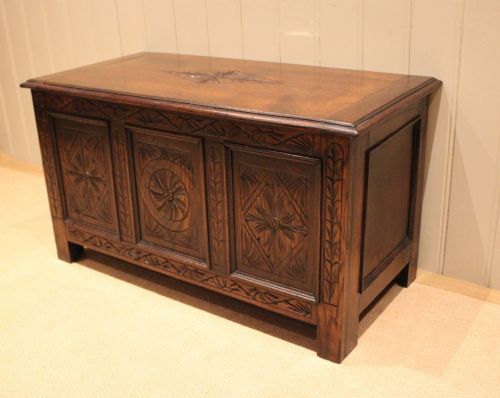
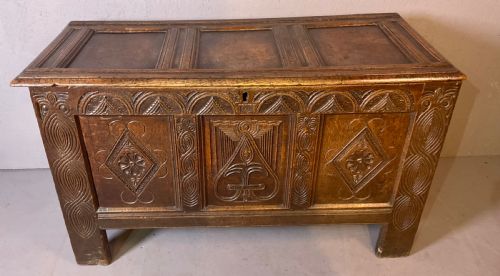
Makers shaped the heavy wood using hand tools, producing distinct surface textures across panels and posts. Carving was executed directly into the solid timber, often framing regional chests and tester testers with crisp geometric or floral patterns.
Materials across the inventory include native oak supplemented by contrasting fruitwood inlay alongside functional iron and brass elements.
Judging Quality and Origin
The distinction between superior pieces and lesser examples lies in the depth and crispness of the original carving across the panels. Coffers and beds bearing intact regional details, such as those attributed to Yorkshire or North Country workshops, hold distinct architectural interest.
Original construction integrity separates period survivors from later revivals. The retention of early woodwork without extensive replacement timbers dictates the standing of each piece within its historical period.
The Seventeenth Century Oak Bed Glossary
- Coffer
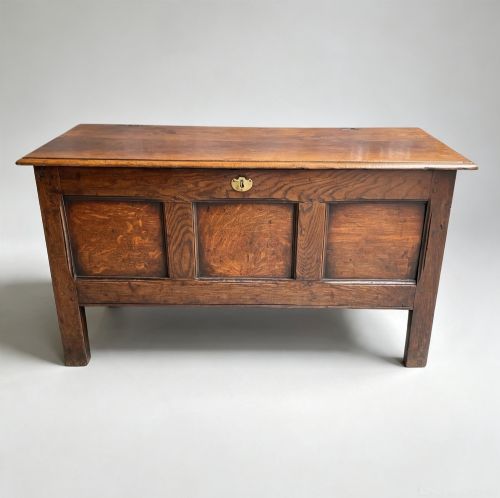
- A heavy wooden chest used historically for storage, constructed with plank or panelled sides. These often share the decorative carving language found on bed headboards.
- Jacobean
- The stylistic period spanning the reign of James the First, characterised by rectilinear furniture design and strapwork carving. This style dominates much of the seventeenth century output.
- Fruitwood
- A lighter dense timber utilised for contrasting inlay work on period panels. Craftsmen chose these woods to highlight specific decorative borders.
Seventeenth Century Oak Bed: Frequently Asked Questions
How do I fit a modern mattress?
Many period frames require custom mattress dimensions to sit correctly within the wooden rails and posts. Historic four poster beds were built before standard sizing existed.
Consult the internal rail measurements of each specific bed to determine whether a standard double or bespoke mattress base is required.
Where were these pieces made?
Surviving examples originate from English workshops, with distinct regional variants emerging from areas like Yorkshire and the North Country. Local craftsmen utilised native oak available in their immediate districts.
Regional attribution often shows in the specific vocabulary of the panel carvings and the treatment of the tester mouldings.
How do I care for antique oak?
Historic oak timber benefits from stable indoor humidity and protection from direct sunlight to prevent wood movement. Gentle waxing preserves the dry finish of early surfaces.
Avoid modern liquid polishes that can penetrate open grain and build up a cloudy residue over decades.
Are revivals considered authentic?
Nineteenth century and nineteen ten revivals represent distinct periods of historicism rather than original seventeenth century output. These pieces were constructed by later cabinetmakers utilising traditional methods.
They offer the visual presence of earlier styles while maintaining nineteenth century structural standards.