



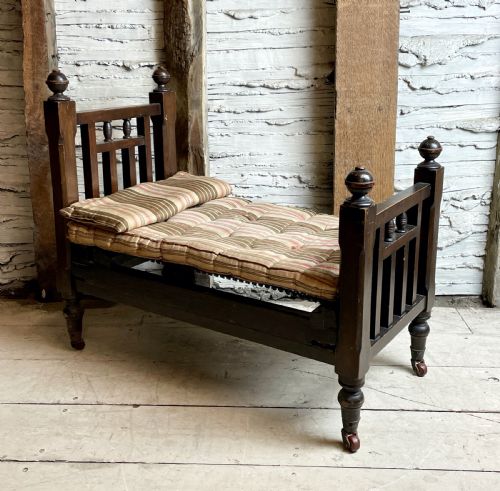


Antique Oak Poster Bed
An antique oak poster bed brings substantial presence to a room through dark timber and architectural timber frames built to endure centuries.
Antique Oak Poster Bed
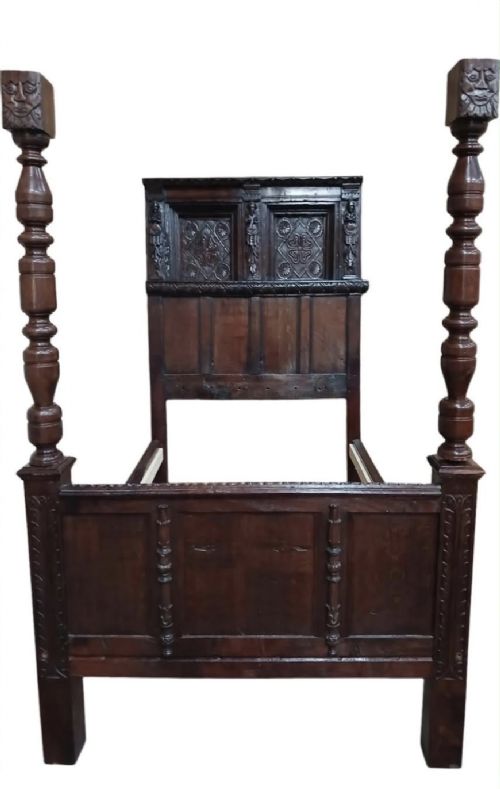
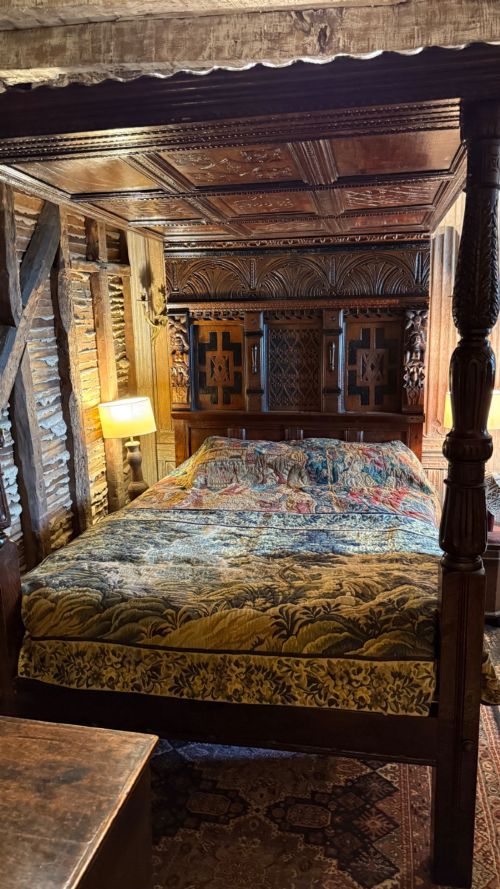
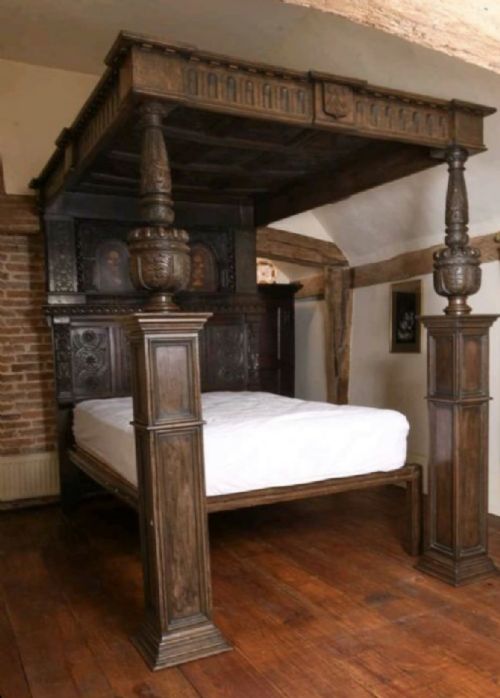
An antique oak poster bed comprises large upright posts supporting an overhead tester or canopy frame, forming an enclosed sleeping space of considerable architectural weight. These substantial frames appear primarily in seventeenth century formats alongside later revival iterations from the Victorian, Edwardian, and nineteen-twenties periods.
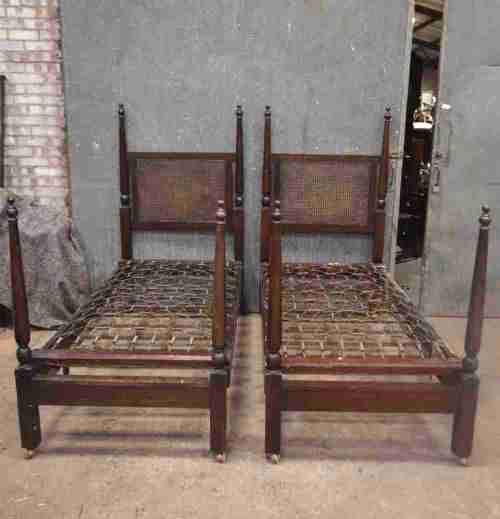
Buyers encounter various scale configurations ranging from full double sizes down to single widths and even miniature doll furniture or architectural salvage bed posts. The structural vocabulary spans Jacobean, Elizabethan, and Victorian Gothic Revival aesthetics, rooted firmly in heavy domestic carpentry.
The material identity centres on solid oak construction, sometimes enriched with contrasting fruitwood inlay or complemented by cane, paint, textile, and metal brass elements. Surviving examples demonstrate how early joiners built for permanence, utilising heavy timber posts to support overhead testers.
How they were made
Makers constructed these frames from solid oak using traditional framing joints secured by wooden pegs rather than modern metal fixings. Timber was heavily worked with hand tools, leaving subtle toolmarks across the posts and tester beams that reveal the pace of early carpentry.
Surface detailing incorporated fruitwood inlay and carved mouldings into the heavy oak structure, while auxiliary materials like cane, paint, textiles, and brass hardware appeared on specific revival or period variants. Structural integrity relied entirely on the thickness of the oak posts and the rigidity of the overhead tester frame.
Listings span the seventeenth century, eighteen-fifty, the Victorian era, the Edwardian period, and nineteen-twenty, featuring oak, fruitwood, cane, and brass.
What varies in quality
The degree of original timber preservation separates exceptional seventeenth century survivals from heavily altered or later reconstructed beds. Authenticity of the structural posts and overhead tester frame dictates the historical integrity of the piece.
Depth and crispness of hand-carved decoration vary considerably between vernacular country pieces and high-status urban commissions. The integration of secondary materials, such as fruitwood inlay or period textiles, influences the visual weight of the overall design.
The Antique Oak Poster Bed Glossary
- Tester
- The flat wooden canopy or ceiling suspended above a four poster bed. It rests atop the vertical posts to enclose the sleeping area.
- Bergere
- A closed-frame armchair or bed panel featuring woven cane work. This technique introduces lighter texture against solid timber rails.
- Inlay
- A decorative technique where contrasting woods like fruitwood are inserted into recesses cut into the oak surface. It creates flat geometric or floral patterns across the timber.
- Architectural salvage
- Building elements or furniture parts rescued from older structures for reuse or display. This includes isolated bed posts separated from their original frames.
Antique Oak Poster Bed: Frequently Asked Questions
What periods do these beds come from?
These beds originate primarily in the seventeenth century, alongside revival pieces from the Victorian, Edwardian, and nineteen-twenties eras. Construction methods and stylistic details shift noticeably between these early periods and later revivals.
Buyers will find that seventeenth century examples carry genuine age in the oak timber, while nineteenth and twentieth century pieces often interpret earlier Elizabethan or Gothic styles with varied carving depth.
Will a modern mattress fit an antique oak bed?
Many early four poster beds were built to historic dimensions rather than standard modern sizing conventions. Some double formats accommodate specific mattress widths, but custom support bases are frequently required.
Checking internal frame measurements before purchase ensures that standard modern mattresses sit correctly within the antique oak posts and side rails.
How do I care for antique oak furniture?
Antique oak benefits from stable room temperatures and protection away from direct heat sources that can dry out historic timber. Regular dusting with a dry, soft cloth maintains the natural finish without damaging the wood.
Avoid using silicone-based polishes or harsh chemical cleaners, as these penetrate the grain and alter the historic patina built up over centuries of handling.