




Seventeenth Century Engraving
When you search for a seventeenth century engraving, you find works on paper produced through metalplate printing during the 17th century and related periods.
Seventeenth Century Engraving
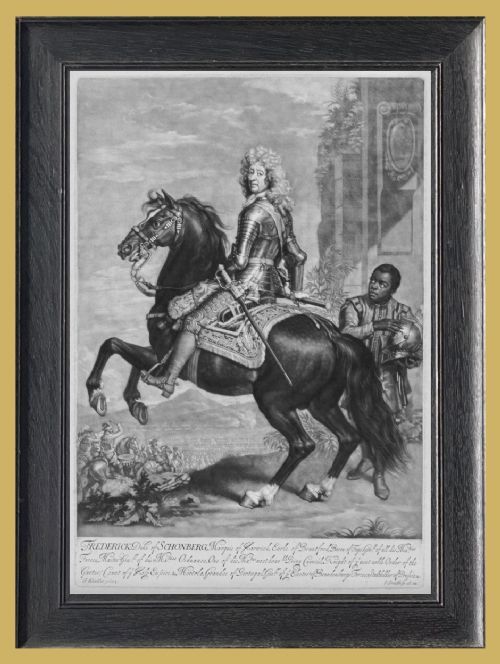
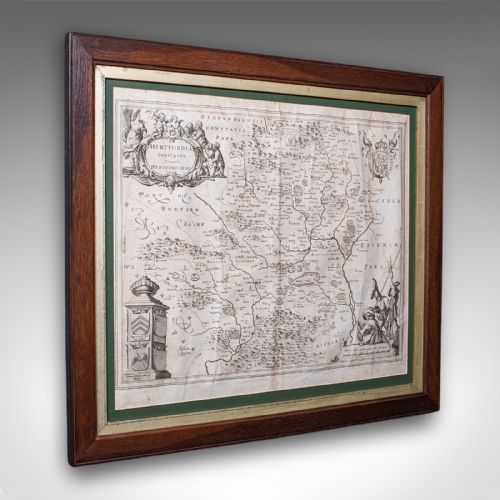
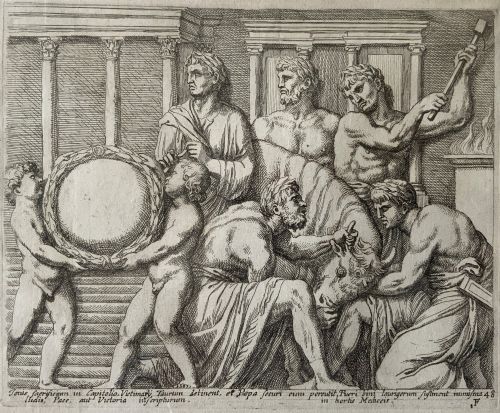
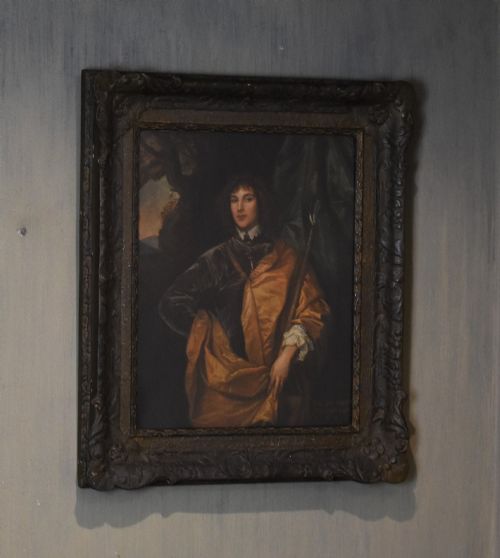
A seventeenth century engraving on this page comprises framed prints, maps, and portraiture originating primarily from the 17th century alongside later interpretations. Buyers encounter cartography by makers such as Joan Blaeu and John Speed, alongside portraits and classical subjects.
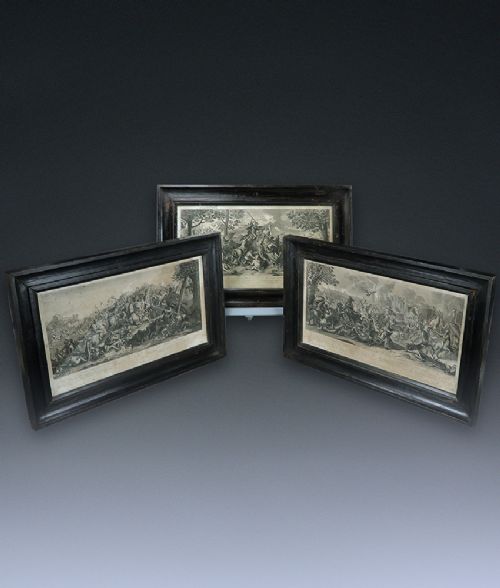
The selections range from county maps in Latin and English to mezzotint portraits and historical scenes framed in period wood. Works span Dutch, English, and French origins, reflecting the cartographic and artistic output of the period.
How they were made
Makers cut lines into metal plates using steel tools, applying ink to the surface before pressing the design onto paper. Hand colouring frequently supplements the printed ink lines on maps and plates.
Framed examples utilise period wood mouldings to enclose the paper sheets, protecting the fragile medium while maintaining historical context.
Cartographers frequently filled blank sea spaces with spirited sea monsters and sailing ships to charm the viewer.
What varies in quality
The clarity of the plate impression dictates visual success, separating sharp, early strikes from worn later printings. Crisp lines in the engraved details and well-preserved paper integrity define the upper tier of works.
The presence of contemporary hand colouring and the originality of the framing contribute significantly to the character of each piece. Surviving margins on maps and prints preserve the complete publisher details.
Joan Blaeu·John Speed·Robert Morden·John Smith·François Perrier
The Seventeenth Century Engraving Glossary
- Engraving
- A printmaking technique where an artist cuts lines directly into a metal plate with a burin. The resulting incisions hold the ink for transfer under pressure.
- Cartography
- The science or practice of drawing maps. Seventeenth-century examples often incorporate elaborate decorative cartouches and regional borders.
- Mezzotint
- A printmaking process of the dark manner where the plate is roughened to achieve tones and shades. It allows for subtle gradations in portraiture.
- Etching
- A method where acid bites lines into a metal plate protected by a wax ground. Artists draw freely through the ground to expose the metal to the acid.
- Atlas
- A bound collection of maps. Many surviving sheets originate from contemporary publications such as Atlas Novus.
Seventeenth Century Engraving: Frequently Asked Questions
What is a seventeenth century engraving?
A seventeenth century engraving is an image or map printed from a metal plate during the 1600s or through later historical printings. These works capture the portraiture, cartography, and artistic output of the period.
Collectors acquire them to display historical maps and classical art within period frames. They represent centuries of printing tradition.
How do I identify a map?
Maps from this era typically feature Latin or English text on the reverse and hand-coloured regional boundaries. Cartouches name the cartographer and publisher.
Examining the paper stock and plate marks helps confirm the period of production. Surviving margins often contain publication dates and maker attribution.
How should I frame paper?
Framing requires acid-free materials and UV-protective glass to safeguard fragile paper from light damage. Historic frames should be preserved where original to the piece.
Keep works away from direct sunlight and damp environments to protect the ink and paper. Proper mounting prevents the paper from buckling over time.
Are all pieces from the 1600s?
The listings include items originating directly in the 17th century alongside 18th-century printings and Edwardian examples. Each title specifies the period or estimated date of the work.
Checking individual descriptions clarifies whether an item is a contemporary printing or a later impression. The materials and framing styles often reflect these chronological distinctions.