



Seventeenth Century Art Painting
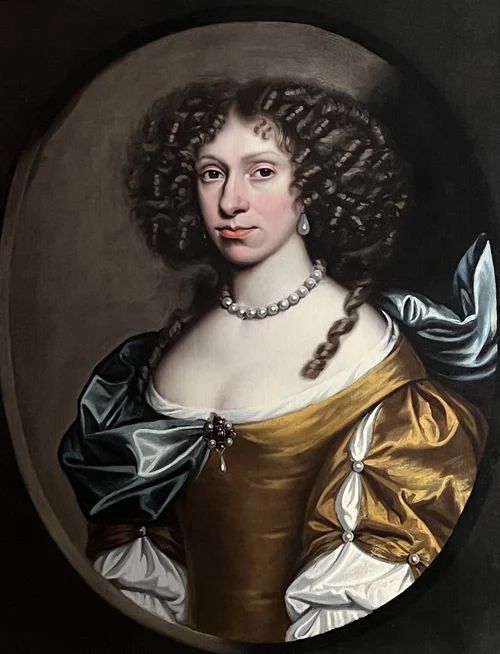
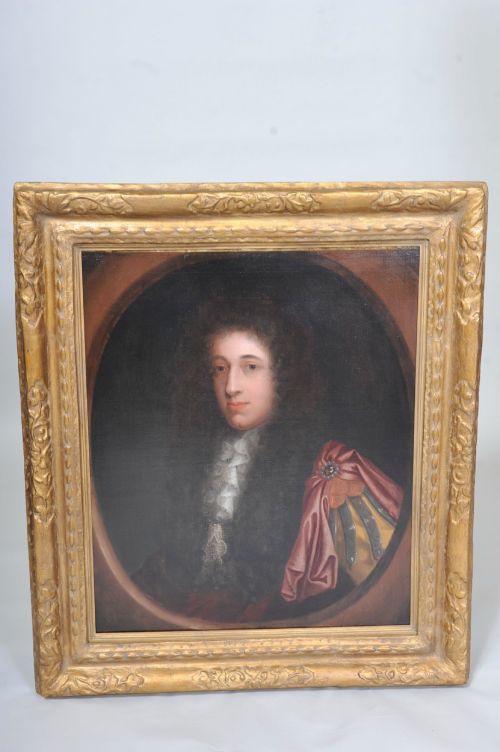
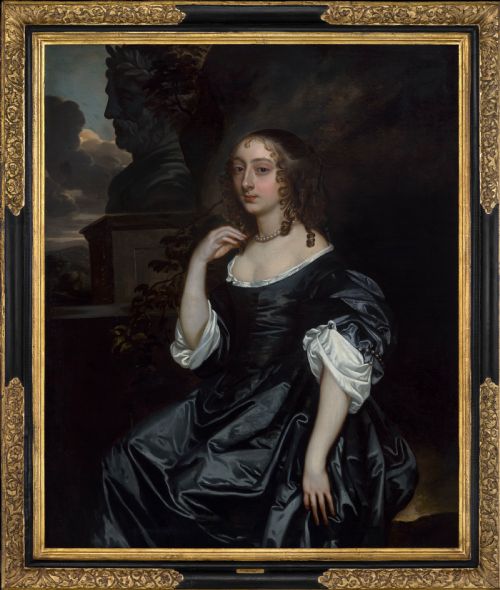
When searching for seventeenth century art painting, collectors encounter oil portraits, still lifes, and mythological works shaped by Baroque aesthetics across Europe.
Seventeenth Century Art Painting
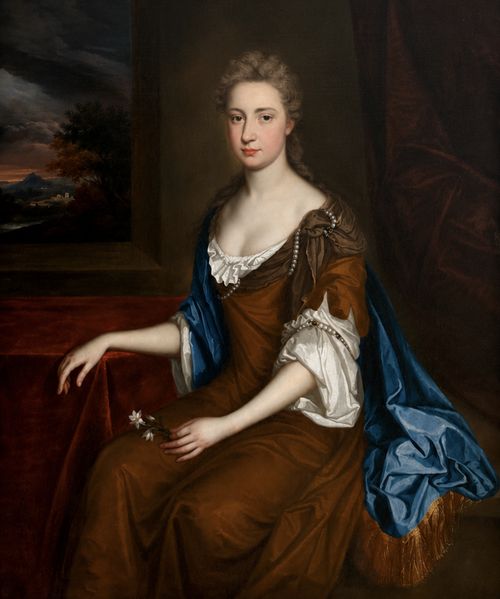
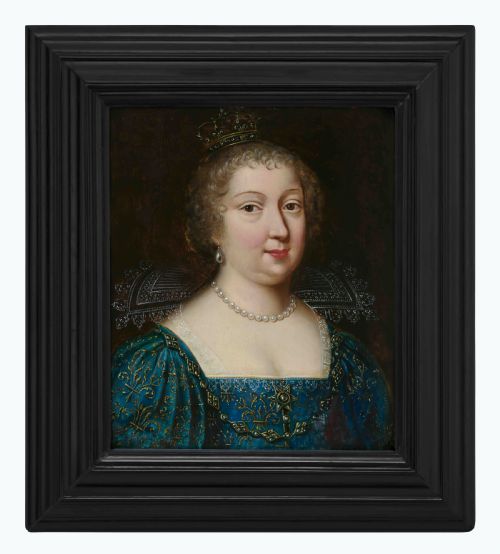
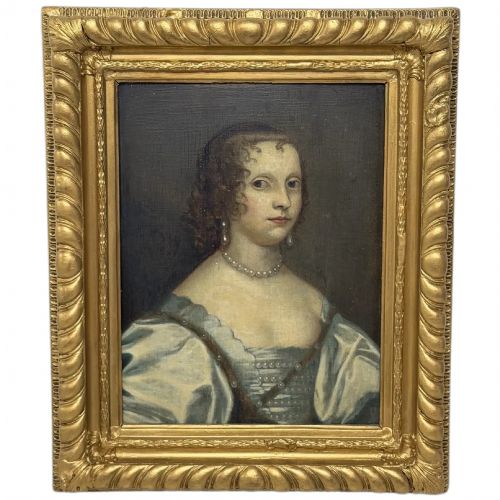
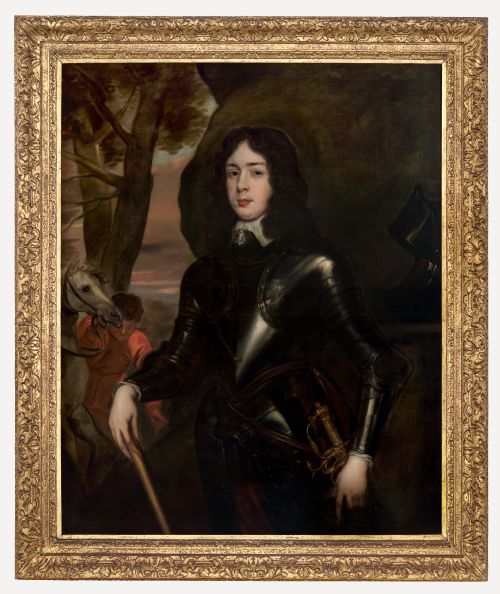
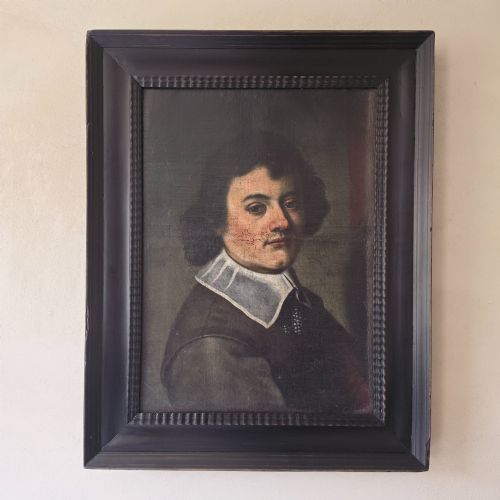
The seventeenth century art painting category on this page centres predominantly on oil paintings on canvas and panel depicting portraits, biblical figures, and still lifes. These works span Flemish, Dutch, British, and Italian schools from the Baroque period.
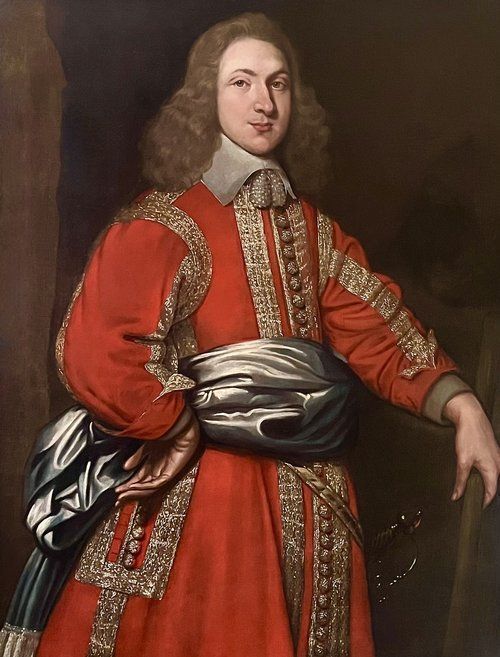
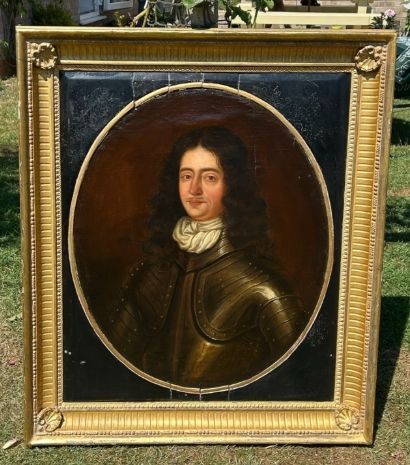
Buyers frequently encounter portraits of nobility, military officers, and clergy, alongside genre scenes and mythological narratives. Many pieces reflect the styles of major continental workshops and their followers.
While the majority of listings date from the seventeenth century itself, some pieces include later interpretations, copies after masters, and nineteenth-century academic studies referencing the era's aesthetic.
Materials and Construction
Painters of this era typically applied oil paint onto stretched canvas or prepared wooden panels made of timber such as oak. These supports received foundational grounds before the application of rich pigments.
Giltwood frames frequently complement the canvases, incorporating carved woodwork highlighted with gold leaf to enclose the compositions.
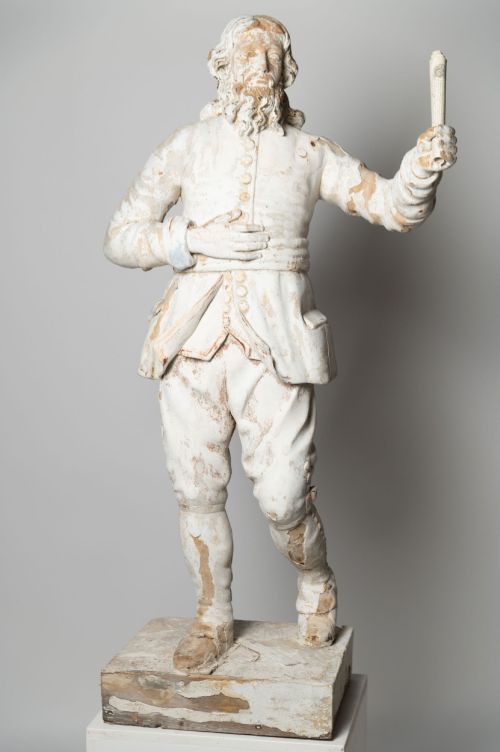
Several portraits preserve the likenesses of long-forgotten nobility, domestic pets, and even a seventeenth-century court dwarf wearing a tailored military coat.
Assessing Quality and Execution
Quality in these works rests upon the dexterity of brushwork, the handling of facial expression and drapery, and the preservation of the original paint layer. Master studio output demonstrates greater anatomical precision and depth in chiaroscuro than provincial copies.
The integrity of the canvas or panel support, the degree of historic restoration, and the authenticity of the accompanying period frame influence the overall standing of an artwork.
Sir Peter Lely·Gaspar Peeter Verbruggen·Sir Anthony van Dyck·Nicolaes Maes·Peter Paul Rubens
The Seventeenth Century Art Painting Glossary
- Baroque
- A style of European art spanning the seventeenth and early eighteenth centuries, characterised by drama, deep shadow, and rich detail. It aimed to evoke emotional intensity through dynamic composition.
- Oil on Canvas
- A technique involving the application of pigment suspended in oil medium onto a woven fabric support. This method allowed artists to achieve subtle blending and luminous colour tones.
- Old Master
- A term for a European painter of skill working before the nineteenth century. It frequently applies to notable figures from the Dutch Golden Age and contemporary continental schools.
- Panel Painting
- A flat wooden board, often oak, used as a structural support for oil painting prior to the widespread adoption of canvas. Panels provide a rigid surface that alters the drying process of the pigments.
Seventeenth Century Art Painting: Frequently Asked Questions
What subjects are common in seventeenth century art painting?
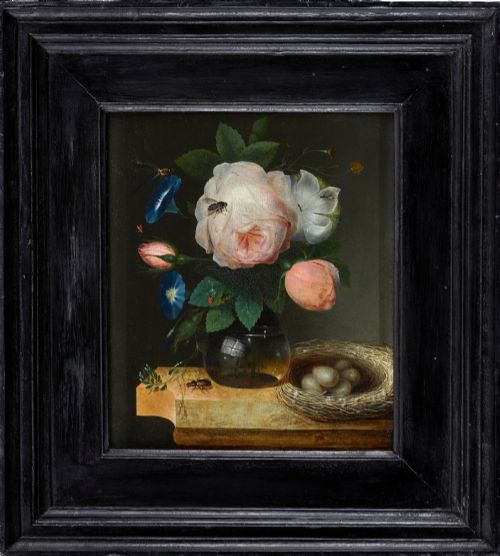
Portraits of aristocrats, military officers, and clergy dominate the selections, alongside religious narratives, mythological scenes, and floral still lifes.
These subjects reflect the patronage and cultural priorities of the European Baroque period.
How do canvas and panel supports differ?
Canvas supports consist of woven fabric stretched over a wooden frame, allowing for larger flexible compositions. Panel supports utilise rigid timber boards, such as oak, which were standard for earlier or smaller works.
Both materials require careful climate control to prevent warping or paint cracking.
What is the difference between an original and a later copy?
Period originals were painted during the lifetime of the artist or within active workshops under direct supervision. Later copies were executed decades or centuries afterwards by artists studying established masterworks.
Signatures, pigment analysis, and brushwork fluency help differentiate studio pieces from subsequent reproductions.
How should I care for an antique oil painting?
Display paintings away from direct sunlight, high humidity, and rapid temperature fluctuations to protect the canvas and wooden frame. Avoid touching the paint surface, as natural oils can damage historic pigment layers.
Professional conservators should handle any cleaning or structural repairs.