



Oil Portrait in Armour
When you search for an oil portrait in armour, you step into centuries of military pride captured on canvas by master hands.
Oil Portrait in Armour
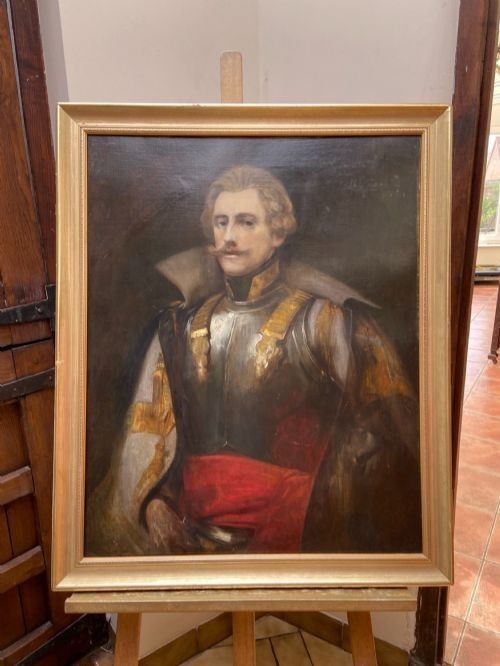
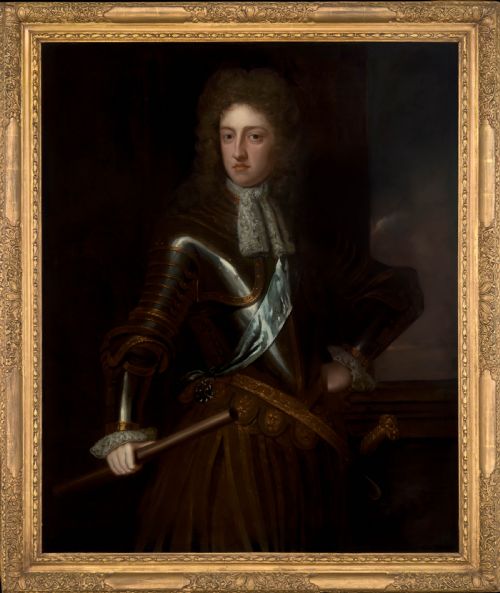
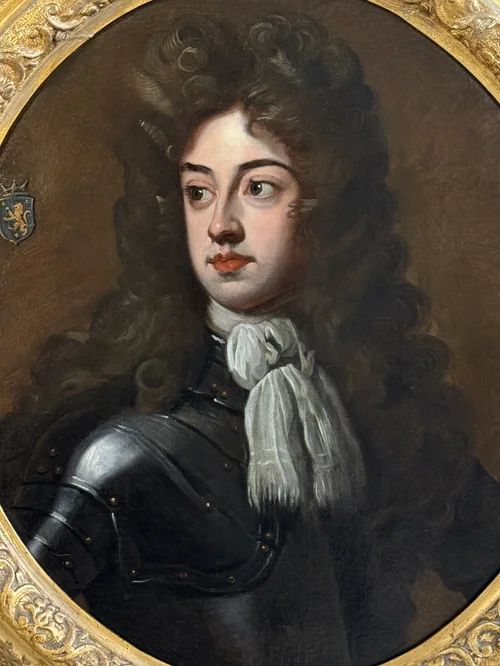
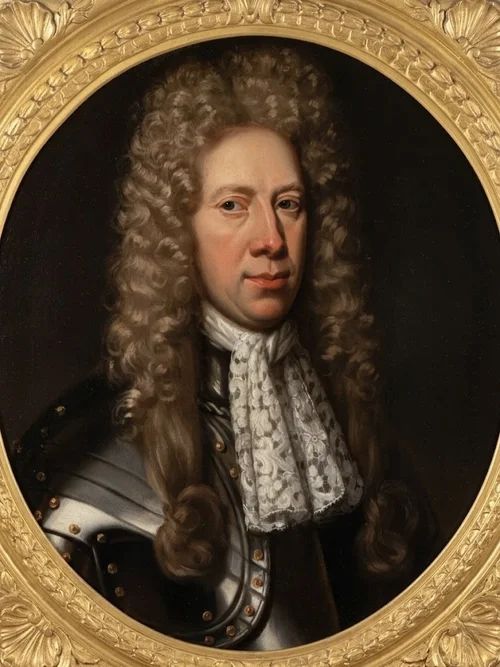
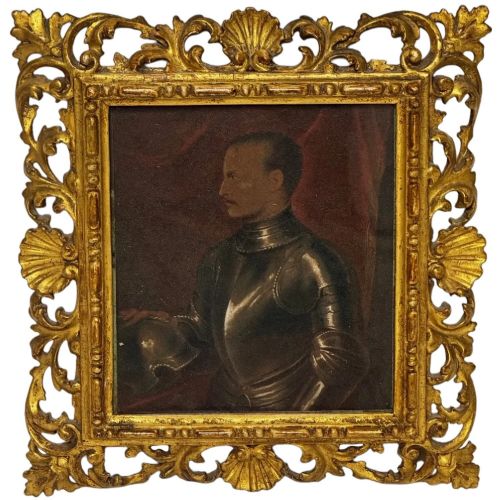
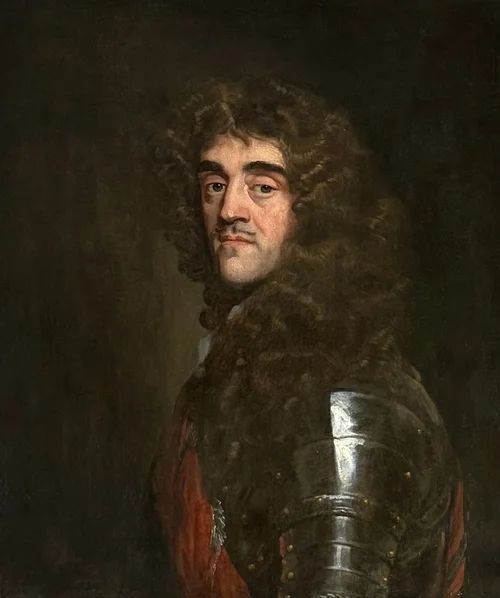
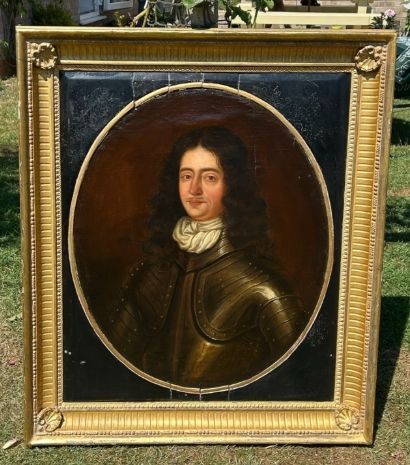
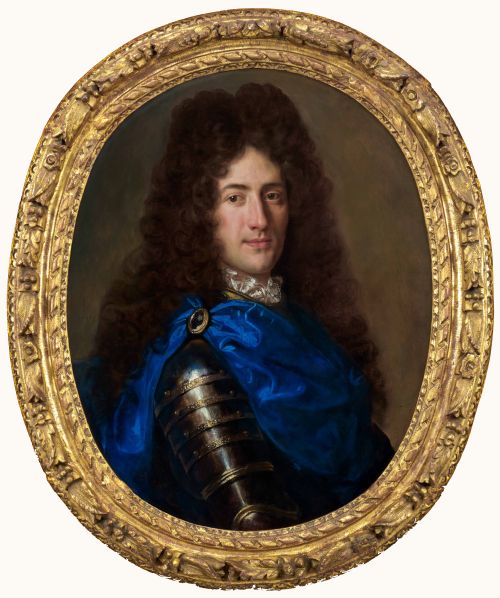
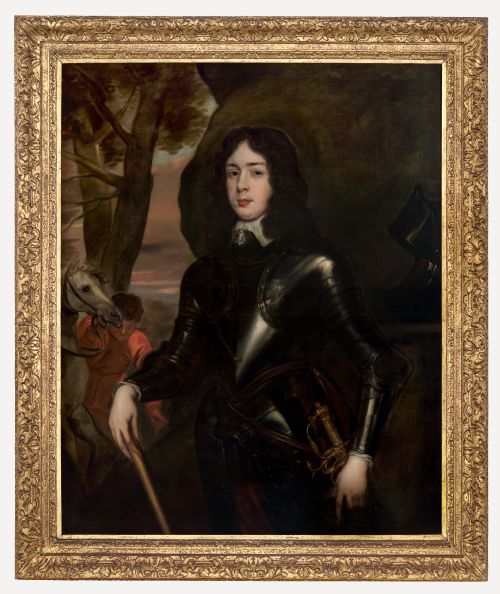
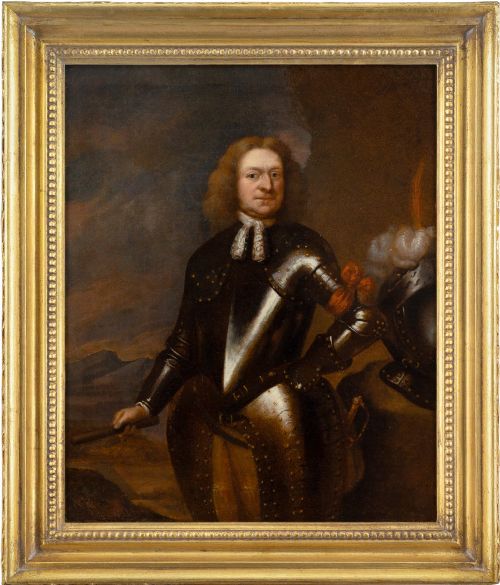
An oil portrait in armour depicts figures of nobility, military officers and royalty outfitted in steel breastplates and ceremonial garb. These canvases stretch from the sixteenth century through the seventeenth and eighteenth centuries, with later nineteenth-century revivals and early twentieth-century copies also appearing.
The subjects range from named historical commanders and monarchs such as King Charles I and General John Churchill to anonymous gentlemen and aristocrats. Many follow the conventions of European schools, including Anglo-Flemish, French, Italian and German workshops, often echoing the compositions of Sir Anthony van Dyck.
How they were made
Techniques relied on studio practices where master painters, their circles or followers executed the likenesses, sometimes replicating famous compositions for patrons who wished to project authority and lineage.
Listings span periods from the sixteenth century to the twentieth century, focusing heavily on seventeenth-century and eighteenth-century oil on canvas works.
What varies in quality
The distinction between a workshop piece and the hand of a named master defines the upper tier of these works, where brushwork on the intricate details of armour and fabric shows superior precision. Strong provenance, such as notable manor house histories or documented sitters, elevates certain canvases above standard decorative examples.
Condition and the survival of the original giltwood frame also dictate standing, as undisturbed surfaces and clear glazing of oil paint retain the dramatic lighting intended by the portraitist.
Sir Anthony van Dyck·Sir Godfrey Kneller·John Scougall·John Greenhill·Joseph Vivienne·Michael Dahl·Samuel Cooper·John Closterman·Jean-Baptiste Santerre·Samuel van Hoogstraten·Gian Paolo Pace·Nicolas De Largillière·Willem Wissing·Pierre Mignard·Louis Tocqué·Jan de Baen·William Aikman·John Baptiste de Medina·Johann Kerseboom
The Oil Portrait in Armour Glossary
- Cuirassier
- A cavalry soldier equipped with armour consisting mainly of a cuirass. These military officers often featured in French and European portraiture.
- Giltwood
- Wood that has been coated with gold leaf or gold paint. Frames built in this manner complement the dark, rich tones of early oil paintings.
- Circle of
- A term used when a work is produced by an unrecorded artist working closely alongside a master and influenced by their style. It denotes high-level contemporary execution.
- Cavalier
- A supporter of King Charles I during the English Civil War. Portraits often depict them with long hair, lace cravats and polished breastplates.
- Studio of
- A designation indicating that a painting was produced in the workshop of a known master, often under their supervision or following their established templates.
Oil Portrait in Armour: Frequently Asked Questions
What do these portraits represent?
These works serve as historical records of military commanders, monarchs and aristocrats who commissioned their likenesses in steel armour to project strength and status.
The inclusion of armour often signalled high rank, royal loyalty or military command during turbulent periods of European history.
Who painted these portraits?
Many canvases originate from the workshops of prominent court painters or their circles, following compositions established by masters like Sir Anthony van Dyck.
Other examples stem from regional British, French, German and Italian schools operating across the seventeenth and eighteenth centuries.
How do you date an oil portrait in armour?
Dating relies on the style of the armour, the cut of the wig or cravat, and the handling of the oil paint on the canvas.
Comparison with documented portraits of known sitters from periods such as the English Civil War or the reign of Charles I provides further chronological markers.
How should I display an antique oil painting?
Hang the canvas away from direct sunlight and steady heat sources to protect the oil paint and the underlying wooden stretcher bars.
Pairing the work with a period-appropriate giltwood frame helps preserve the aesthetic balance intended for these historic interiors.