

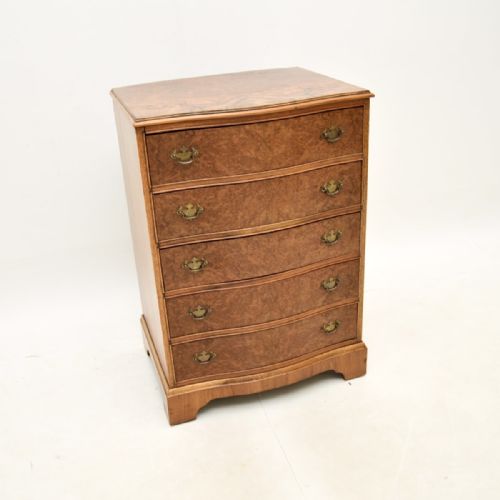
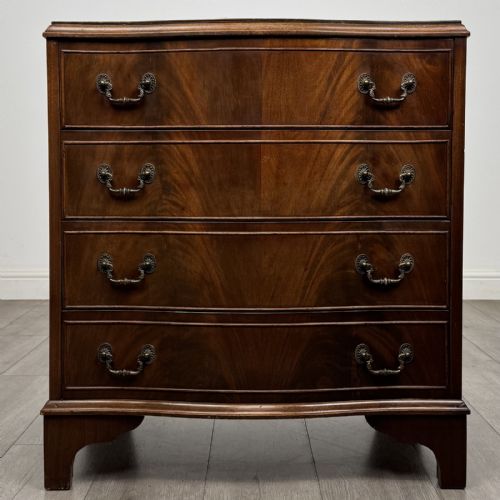
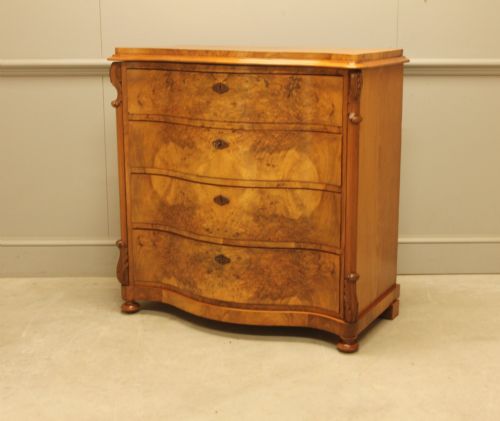
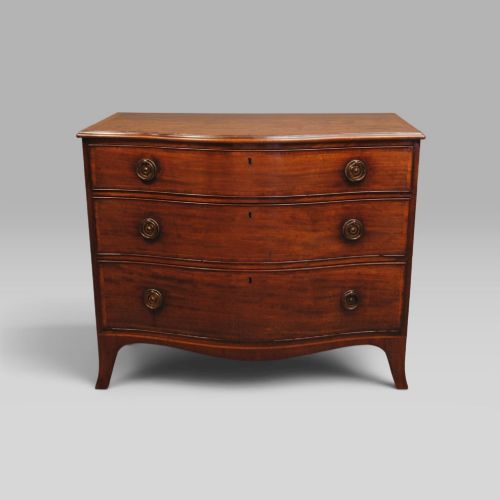
Serpentine Front Bedroom Chest
These serpentine front bedroom chest pieces combine sweeping curves with practical storage, offering a commanding presence in any traditional interior.

Serpentine Front Bedroom Chest
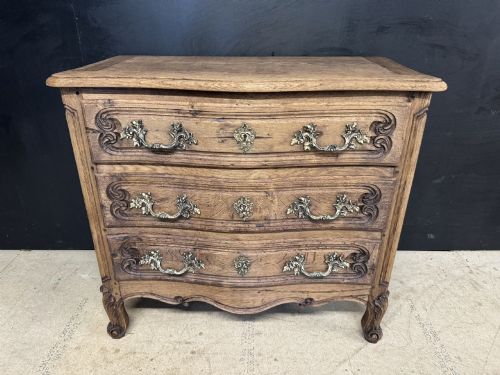
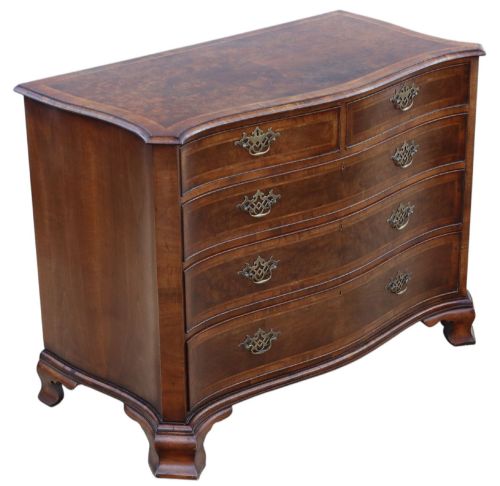
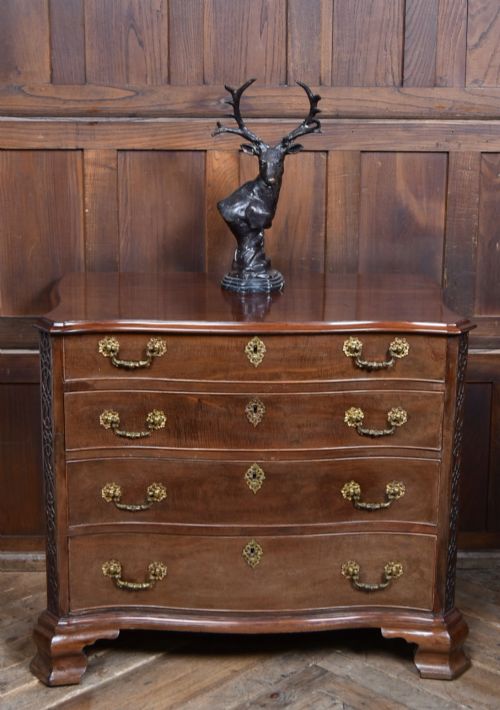
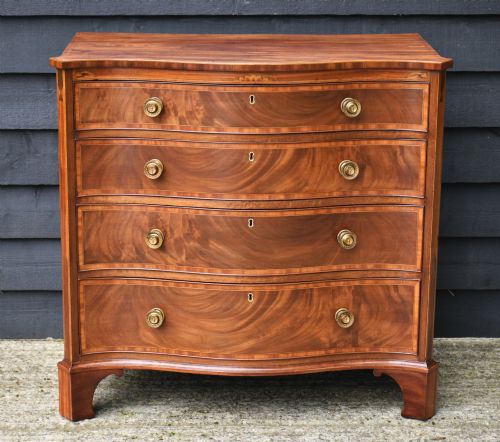
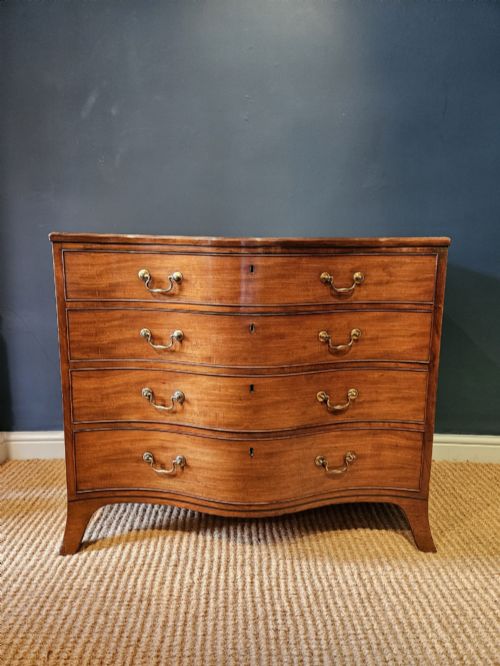
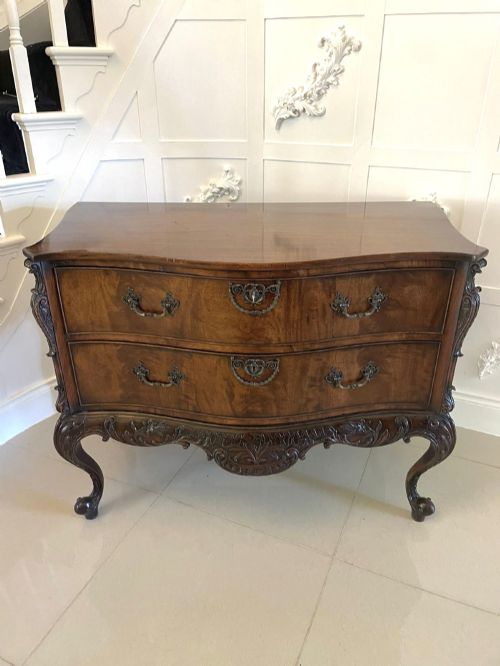
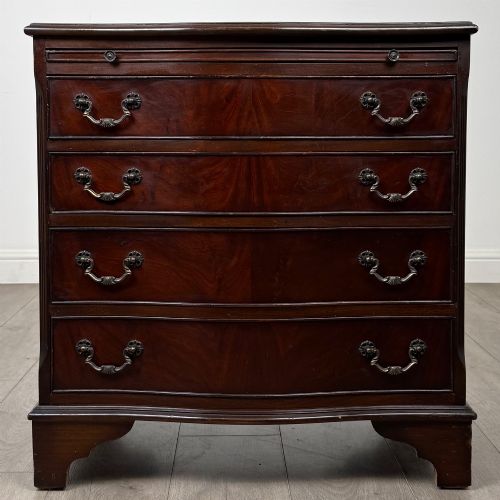
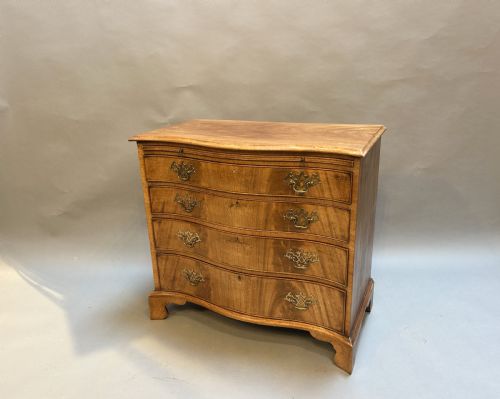
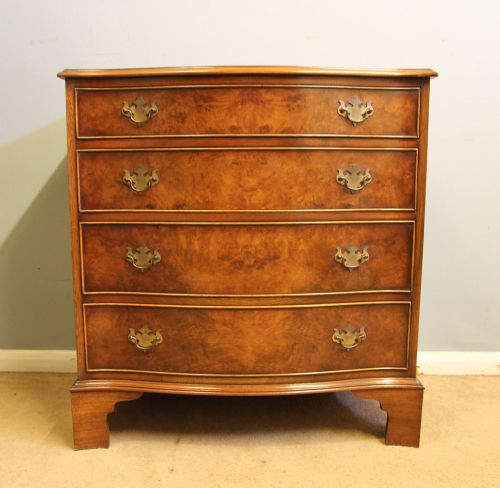
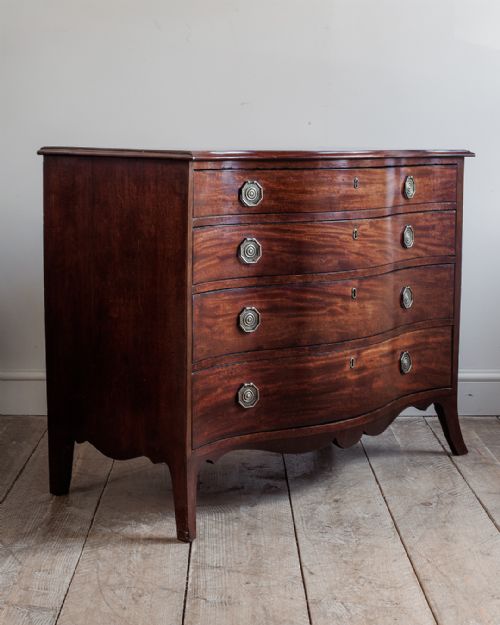
A serpentine front bedroom chest provides deep drawer storage within a distinctive undulating timber facade that projects at the centre and recedes at the flanks. These sophisticated storage items appear primarily in mahogany, walnut, and burr walnut, spanning the Georgian era through to twentieth-century revivals.
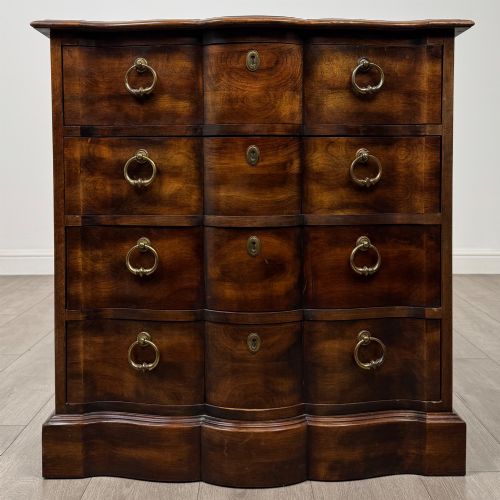
Buyers encounter eighteenth-century originals alongside nineteenth-century Victorian interpretations and later Edwardian revival pieces. Forms range from compact four-drawer chests and tallboys to grand commodes and pieces set on stands.
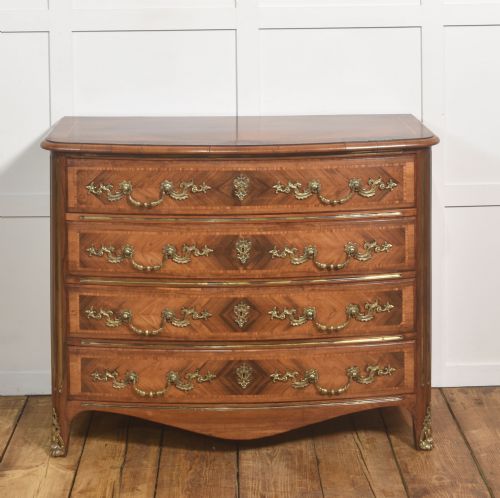
The aesthetic bridges English cabinet-making traditions and continental influences, notably French provincial styles and Louis XV marquetry. Each variation relies on the rhythm of the curved front to soften the rigidity of a standard bedroom chest.
What varies in quality
The caliber of a serpentine front bedroom chest rests primarily on the selection of timber veneers and the precision of the curved drawer fronts. Superior examples exhibit matched grain patterns that flow smoothly across the undulating drawers, framed by crisp boxwood stringing or delicate crossbanding.
Structural integrity and period-correct hardware also dictate the standing of a piece. Finer items retain their original brass handles, well-fitted internal oak or mahogany drawer sides, and proportions that balance the bold sweep of the serpentine outline.
Serpentine Front Bedroom Chest Retail Price Guide 2026
Typical asking prices for serpentine front bedroom chest among the pieces listed under this phrase on Sellingantiques today, from the lower quarter to the upper quarter. They describe what is for sale here now, not the wider market.
Listings feature mahogany, burr walnut, and satinwood alongside periods spanning the Georgian era to Edwardian and 1930s revivals.
The Serpentine Front Bedroom Chest Glossary
- Serpentine
- A furniture front characterised by a convex centre flanked by concave curves, creating a wave-like outline. This complex shape requires exceptional skill from the cabinet-maker.
- Commode
- A low chest of drawers or cabinet, often associated with French furniture styles and eighteenth-century craftsmanship. These pieces frequently feature decorative marquetry or ebonised finishes.
- Tallboy
- A tall chest of drawers made by stacking one chest upon another, providing substantial vertical storage. The form evolved during the eighteenth century and saw revivals into the twentieth century.
- Crossbanded
- A decorative technique where a border of veneer is applied to the edges of a panel so that the grain runs at right angles to the central wood. It frames the primary burr walnut or mahogany surface.
- Fiddleback
- A type of figured mahogany grain displaying undulating ripples that resemble the back of a violin. Cabinet-makers utilised this decorative wood on prominent drawer fronts to catch the light.
Serpentine Front Bedroom Chest: Frequently Asked Questions
How do I date a serpentine chest?
Dating relies on examining the secondary timbers used inside the drawers, such as oak or pine, alongside the construction methods and hardware. Eighteenth-century pieces typically show hand-cut dovetails and native timber linings, while later revivals employ machine-cut joints.
The overall style offers further clues, as George III pieces display restrained classical proportions, whereas Edwardian and later revivals often incorporate heavier veneers or distinct revival motifs.
Where should I place this chest in a bedroom?
Position the chest against a principal wall where the undulating curves of the serpentine front can catch natural light and create visual depth. Because these pieces have a strong sculptural presence, they function well as focal points rather than tucked away in corners.
Ensure adequate clearance around the piece so the drawers can open smoothly without obstruction from surrounding furniture.
What is the difference between a chest and a commode?
The term commode frequently denotes pieces influenced by French design or continental forms, often featuring more elaborate marquetry, bombé sides, or a decorative marble top. English chests of drawers tend to follow stricter architectural lines, particularly within the Georgian tradition.
Both terms describe similar storage functions, but the terminology often reflects the decorative ambition and stylistic origin of the piece.
How do I care for burr walnut veneer?
Protect burr walnut surfaces by keeping them away from direct sunlight and steady sources of heat, which can dry out and split the delicate veneer over time. Dust regularly with a soft, dry cloth and apply a quality wax polish sparingly to maintain the natural lustre.
Avoid placing damp items or unsealed vessels directly on the timber to prevent staining the polished finish.