



Scottish Georgian Furniture
Scottish Georgian furniture brings enduring 18th-century craftsmanship into your home through robust timber and distinct regional forms.
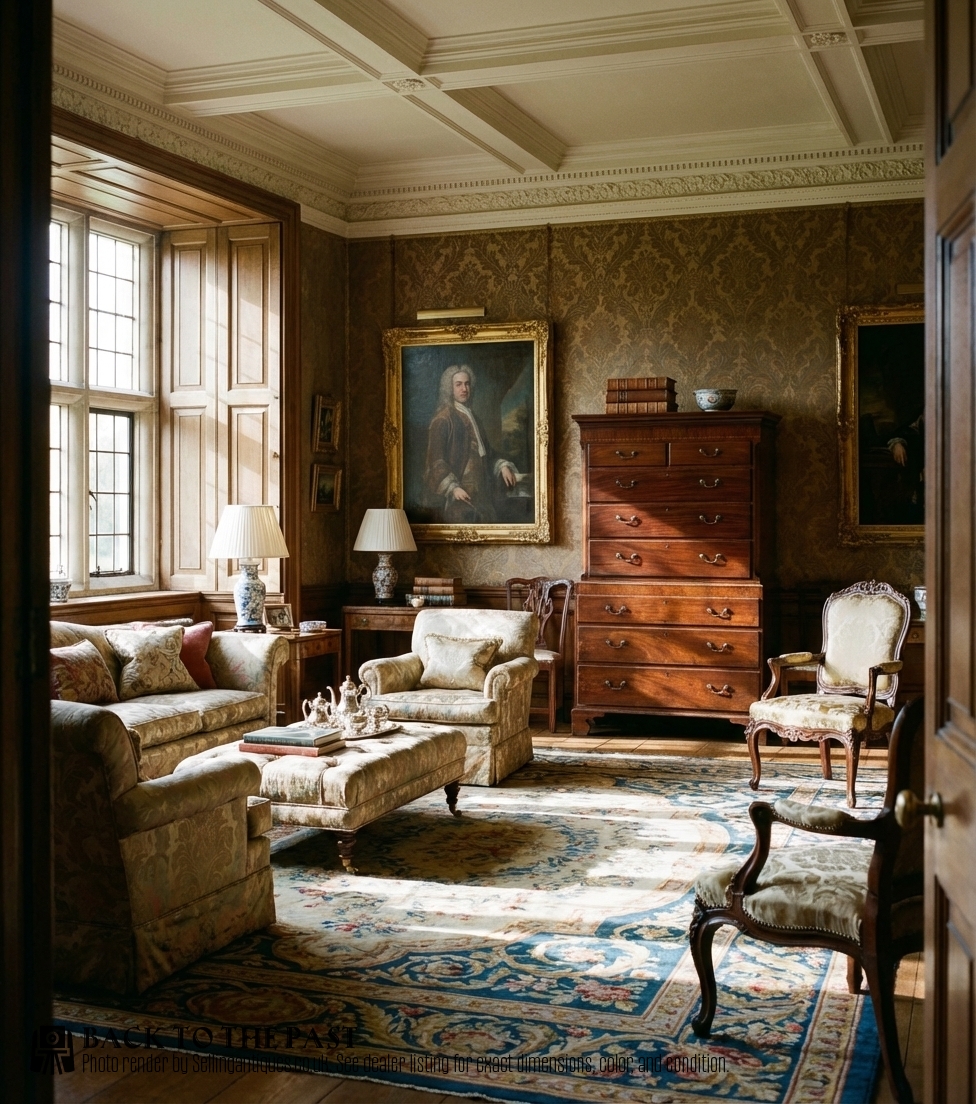
Scottish Georgian furniture
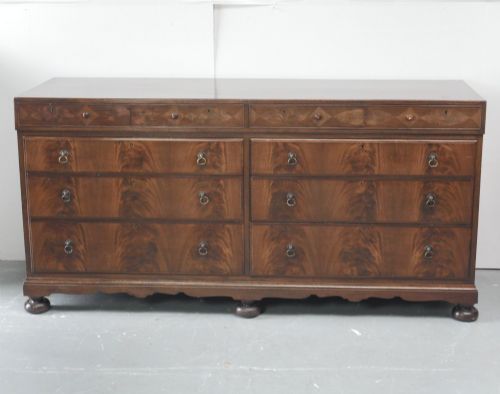
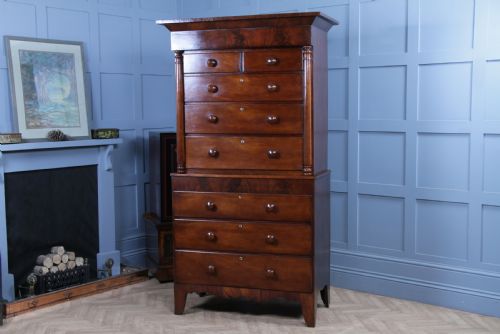
When you examine Scottish Georgian furniture, you encounter substantial forms rooted in the eighteenth century. The selection centres on practical household pieces designed for storage and social use.
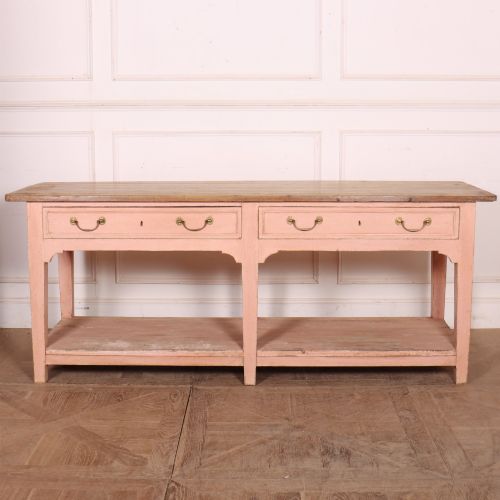
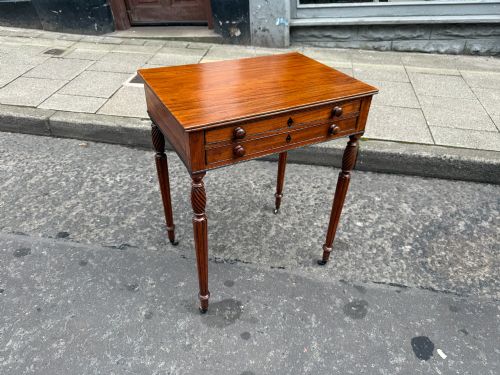
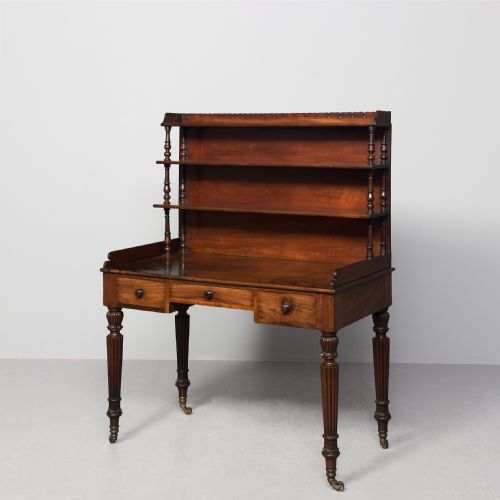
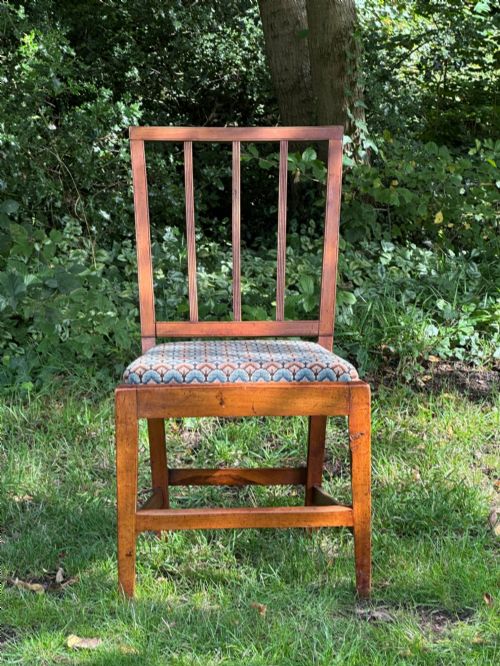
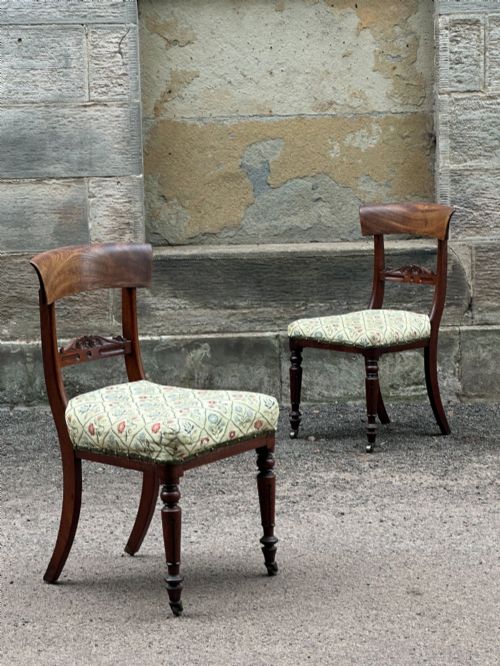
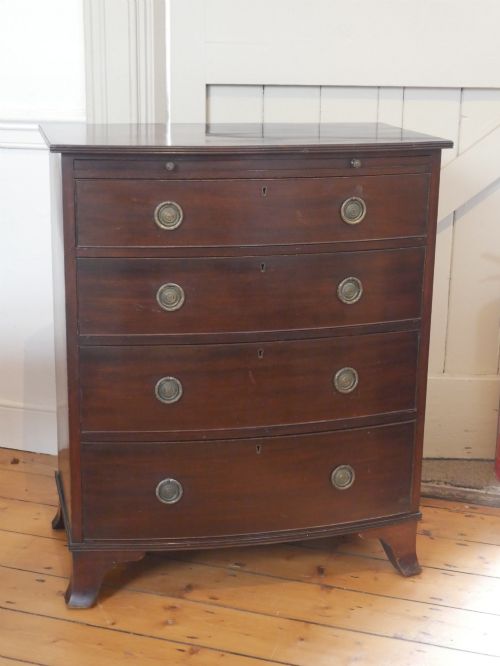
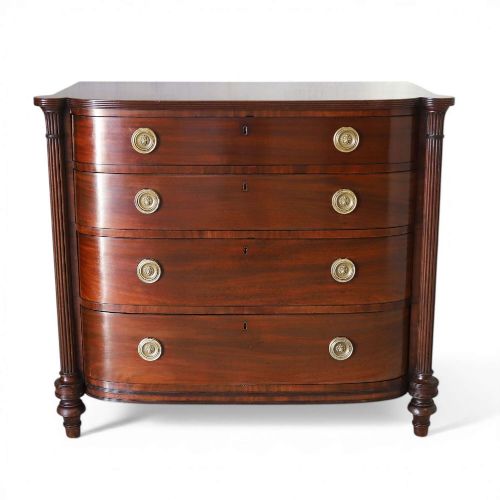
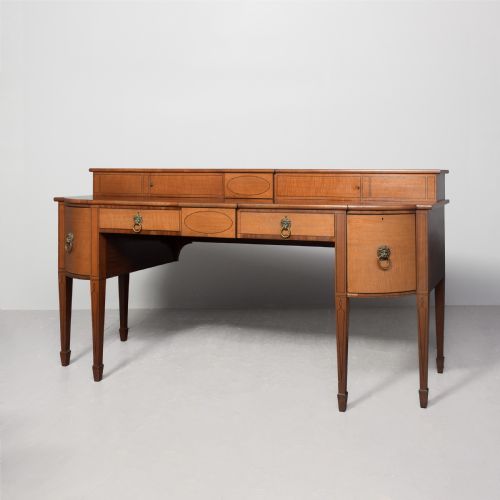
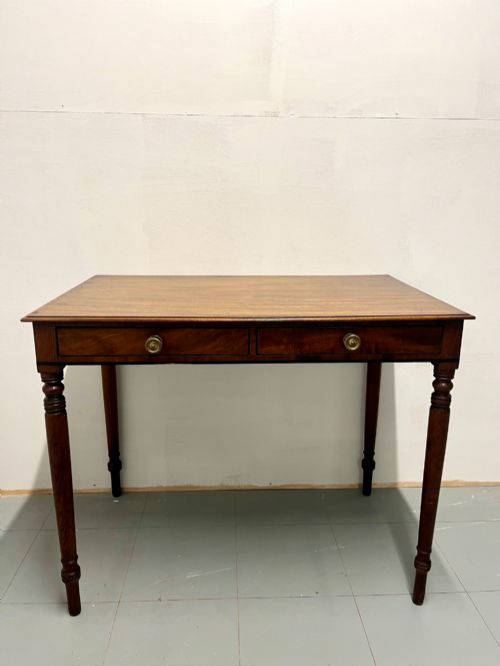
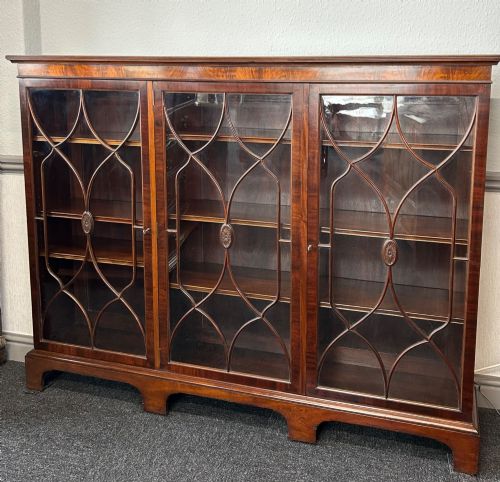
The objects appearing here include chests of drawers, sideboards, press cupboards, and games tables. These items reflect the domestic requirements of period households through specific regional proportions.
You meet pieces spanning the Georgian era, including specific dates such as seventeen fifty and eighteen hundred. The designs draw upon George II and George III stylistic influences.

Construction and Materials
Cabinet makers utilised dense timbers such as mahogany and rosewood to build these primary structures. These hardwoods provided the necessary durability for substantial case furniture and tables.
Detailing often incorporated satinwood inlay to create decorative contrasts on drawer fronts and surfaces. Brass hardware served functional and aesthetic roles on handles and escutcheons.
Retail Price Guide 2026
Typical UK retail prices for scottish georgian furniture, calculated from the Sellingantiques database of over a million retail prices indexed since 2003. This retail price guide relies exclusively on Sellingantiques data; no external sources or auction records are used, so the figures do not describe the wider market.
Games tables waited patiently through centuries of quiet parlours, ready for an evening of cards.
Judging Quality
The standard of execution separates everyday utility pieces from finer commissions. Artisans demonstrated skill through the precision of serpentine curves and the seamless integration of inlaid veneers.
Selection of timber grain dictates visual impact across large surfaces like sideboard stages and chest tops. The sophistication of structural joinery within the carcase defines the enduring integrity of each piece.
Francis Brodie
The Scottish Georgian Furniture Glossary
- Serpentine front
- A convex centre flanked by concave curves, creating a fluid undulating line across a chest of drawers.
- Stage-back sideboard
- A serving table featuring an elevated rear superstructure utilised for display or storage.
- Press cupboard
- A large storage unit typically comprising upper shelving enclosed by doors above a base of drawers.
- Satinwood inlay
- Decorative contrasting timber inserted into a primary surface to form geometric or floral patterns.
- George III
- The design period spanning the reign from seventeen sixty to eighteen twenty, noted for neoclassical influence.
Frequently Asked Questions
What is a stage-back sideboard?
A stage-back sideboard is a formal serving piece featuring an elevated rear section. This addition provides extra display space for dining silver.
Such examples demonstrate the practical requirements of eighteenth-century dining rooms.
What woods were used in these pieces?
Cabinet makers relied primarily on mahogany and rosewood for structural integrity and rich colour. These dense timbers withstood generations of domestic use.
Satinwood inlay often provided contrasting detail against the darker primary wood.
Are these items from the eighteenth century?
The pieces originate from the eighteenth century, spanning periods associated with George II and George III reigns. Dating relies on stylistic markers and construction methods.
Specific examples align with years such as seventeen fifty and eighteen hundred.