
Sepia Paper Artwork
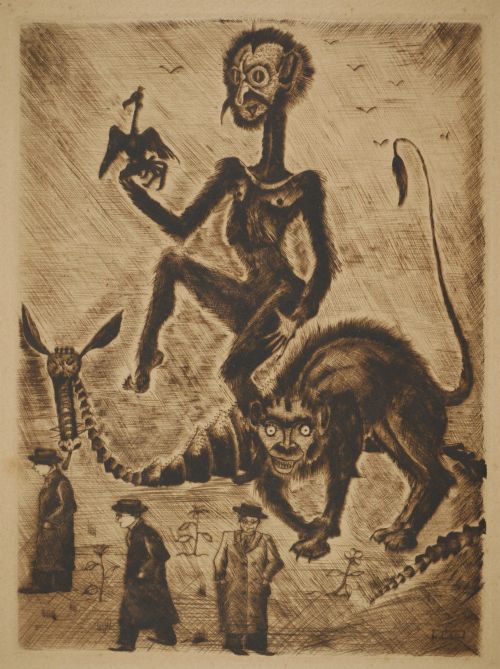
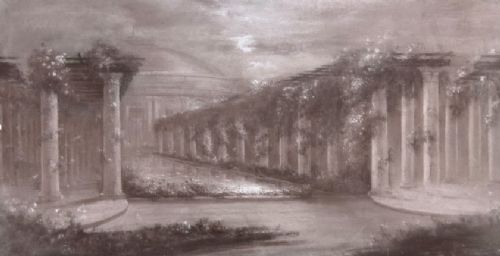
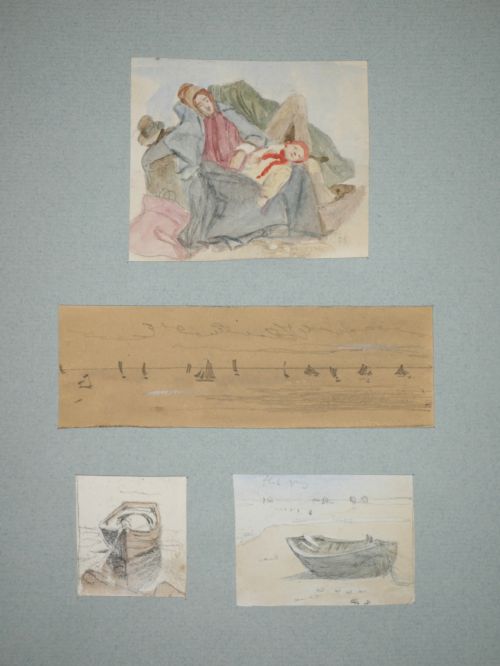
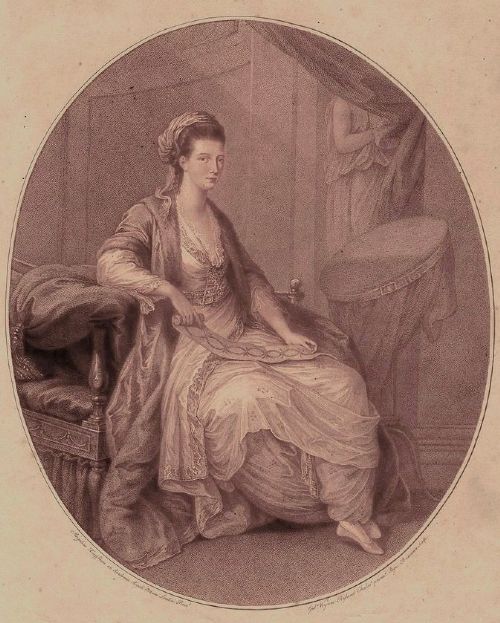
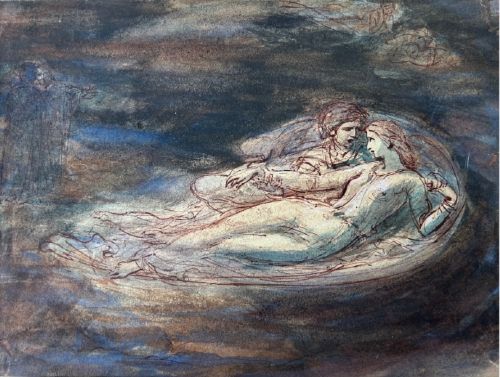
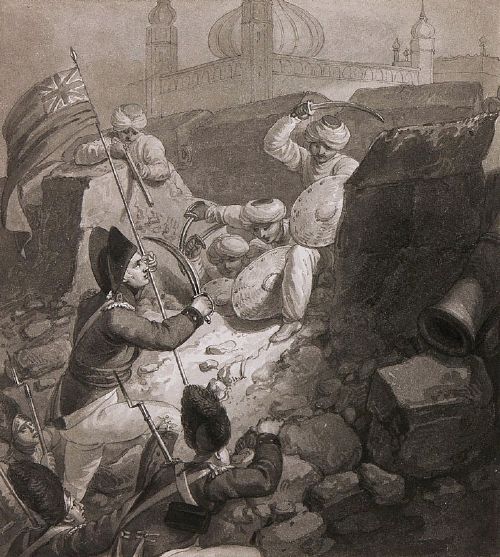
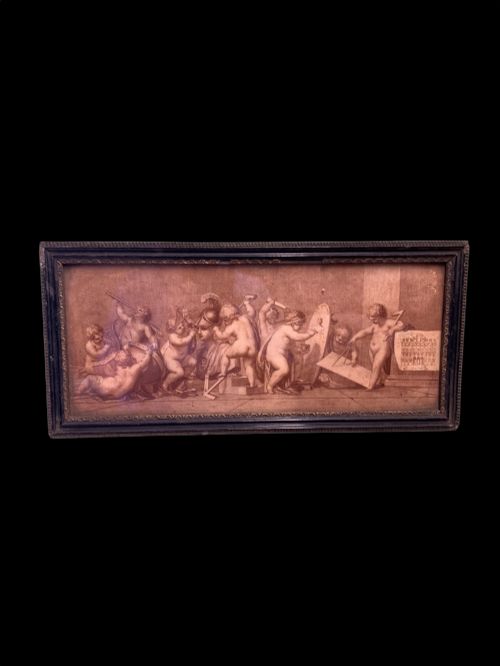
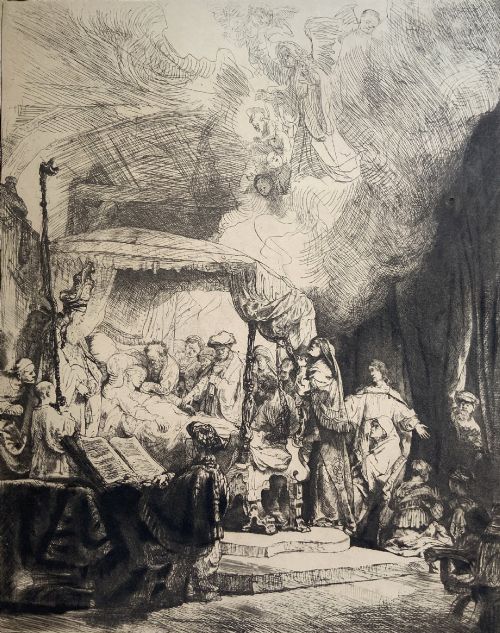
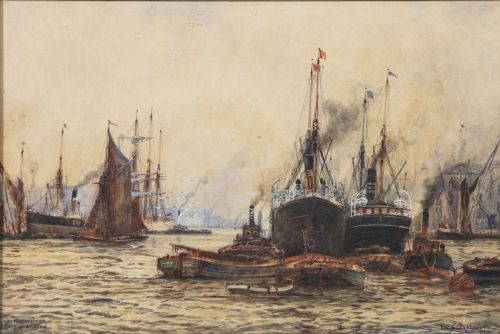
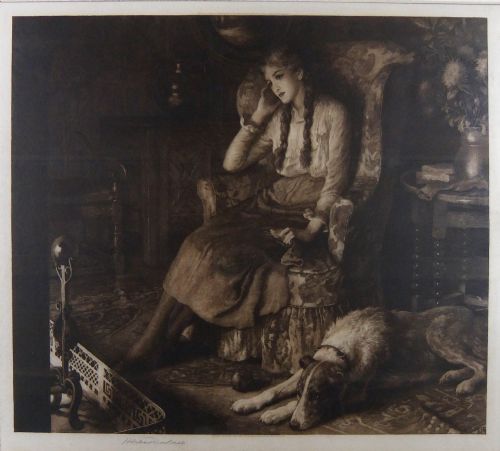
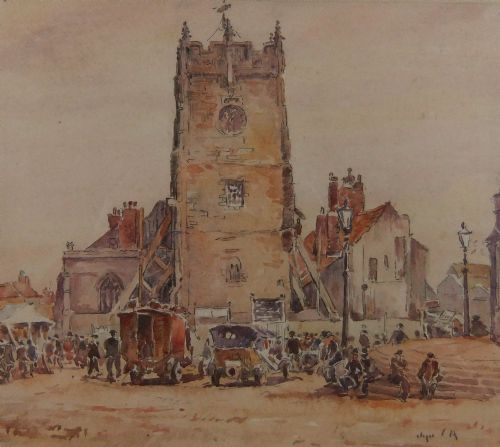
When you search for sepia paper artwork, you are looking at drawings and watercolours rendered in monochromatic brown tones on paper, bringing domestic and historical subjects directly to your walls.
Sepia Paper Artwork
When you search for sepia paper artwork, you encounter works spanning the eighteenth century through to the early decades of the twentieth century, including Victorian and Edwardian examples. These pieces typically take the form of framed original drawings, portrait sketches, and topographical watercolours.
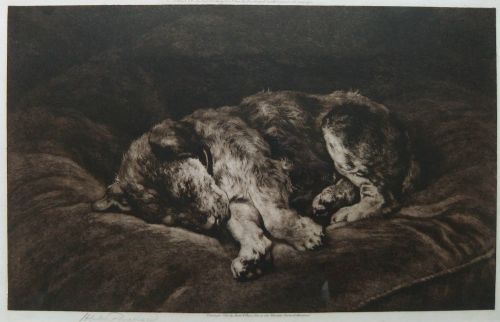
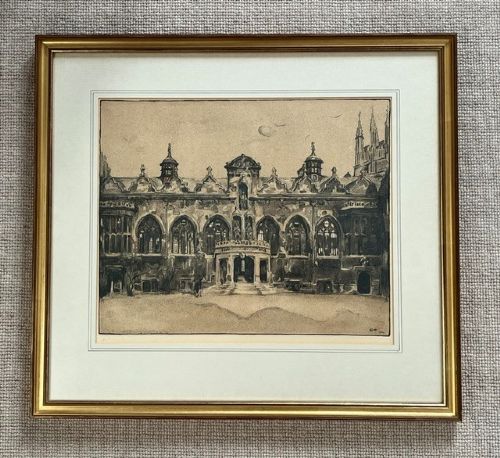
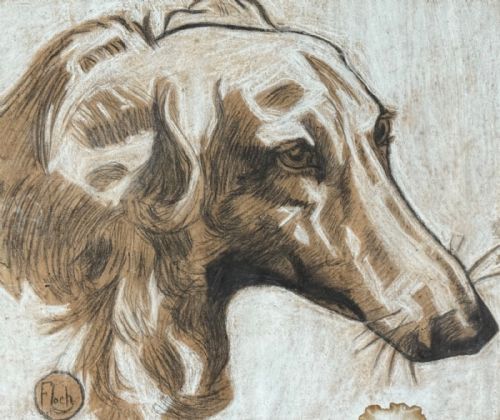
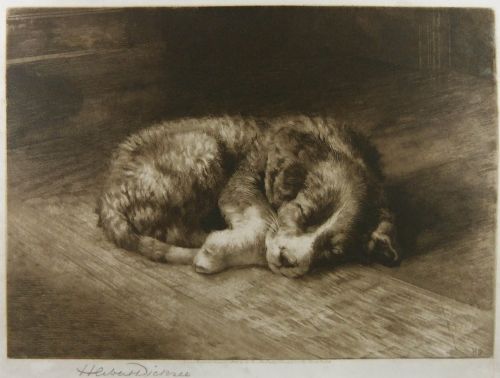
The works on this page lean heavily into specific traditional genres, such as academic life studies, marine views, and architectural subjects. Portraiture and animal studies also appear frequently among the nineteenth-century material.
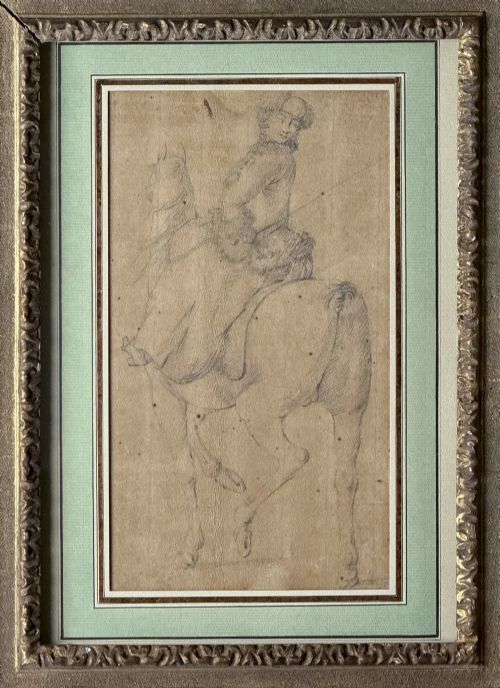
Many of these pieces function as preparatory studies or finished works on paper, preserved behind glass in period frames. They offer a direct window into the working methods and finished compositions of past draftsmen.
How They Were Made
The mediums rely primarily on ink, wash, graphite, charcoal, and pencil applied directly to various grades of paper, sometimes accompanied by chalk or gouache for heightening. Wood and glass typically comprise the protective framing structures surrounding the fragile sheets.
Artists built depth through the controlled use of fluid ink washes alongside fine pencil lines, capturing tonal gradation within a restricted palette. Many sheets show the physical evidence of their creation through visible pencil underdrawings and wash corrections.
Several drawings preserve the stray thumbprints of artists who forgot to wait for their ink washes to dry.
What Varies in Quality
Quality rests upon the sureness of the draftsman's hand and the precision of the tonal control across the sheet. A stronger piece demonstrates confident line work and effective use of negative space rather than hesitant or overworked marks.
The preservation of the paper itself dictates the standing of an individual piece, noting how well the monochromatic pigments retain their depth against environmental exposure.
Kurt Lorein Victor Peiser·Herbert Dicksee·Sir William Nicholson·William Marshall Craig·Frank William Scarbrough
The Sepia Paper Artwork Glossary
- Wash
- A thin, semi-transparent layer of diluted ink or watercolour applied to paper with a brush. This technique allows artists to establish broad areas of shadow and atmospheric depth quickly.
- Preparatory study
- A preliminary drawing or sketch executed by an artist to plan a larger, more complex finished composition. These works often capture spontaneous marks that do not appear in the final piece.
- Graphite
- A form of carbon used as a drawing medium encased in wood or held directly by the hand. It produces silver-grey lines that can be easily smudged or layered for shading.
- Etching
- A printmaking process where lines are bitten into a metal plate with acid before being inked and pressed onto paper. The resulting image exhibits sharp, fine details characteristic of linear draftsmanship.
- Gouache
- An opaque water-based paint containing pigment and a binding agent, often chalk. It provides solid coverage and bright highlights on tinted or dark papers.
Sepia Paper Artwork: Frequently Asked Questions
What is sepia paper artwork?
These pieces comprise original drawings, sketches, and watercolours executed in brown-toned inks and pigments on paper supports.
They represent historical draftsmanship spanning multiple centuries, capturing everything from portraits to landscapes.
How were these drawings used?
Many of these works served as preliminary studies for larger paintings, book illustrations, or independent artistic statements.
Artists valued the speed and tonal range of ink washes for capturing ideas quickly before executing finished canvases.
How should I frame these pieces?
Works on paper require conservation-grade mounting under glass to protect the delicate surface from ultraviolet light and humidity.
Keeping the paper away from direct contact with the glass prevents condensation damage over time.
How do I identify the period?
Stylistic clues, paper types, and framing methods often point toward the era in which the artist worked.
Signatures, inscriptions on the reverse, and the character of the medium also help date individual sheets.