


French School Watercolour
These french school watercolour pieces bring home the expressive touch of continental artists, offering delicate paper works and intimate portraits to transform your walls.
French School Watercolour
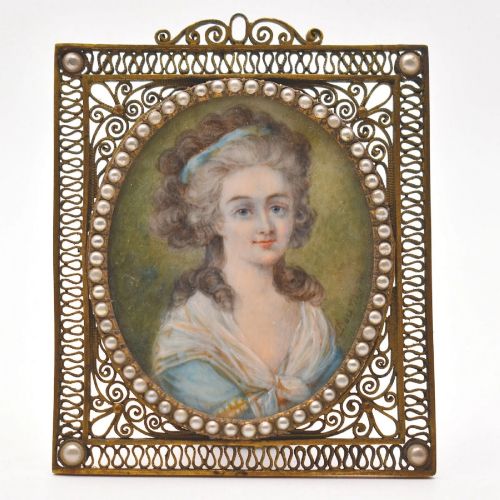
A french school watercolour encompasses works on paper ranging from eighteenth-century mythological scenes to mid-century modern landscapes and expressive portraits. Buyers exploring this category frequently encounter nineteenth-century examples alongside intimate portrait miniatures housed in gilt metal frames.
The selection extends from academic studies and rococo-revival furniture designs to equestrian watercolours and post-impressionist landscapes. Pieces span multiple eras including the eighteenth, nineteenth, and twentieth centuries, reflecting diverse artistic movements from the Barbizon School to the School of Paris.
Materials and techniques
Artists executed these works primarily using watercolour paint and ink applied to paper supports, occasionally incorporating pastel or graphite underdrawing. Pigment application varies from translucent washes in landscape vistas to opaque gouache detailing in figurative compositions.
Framing often involves wood and glass to protect the fragile paper, while portrait miniatures utilise specialist elements such as seed pearls set into gilt metal frames. These protective mountings preserve the delicate pigments against light and atmospheric moisture.
The documented periods span from the eighteenth century through the nineteenth and twentieth centuries, encompassing diverse styles like rococo-revival, post-impressionism, and mid-century modernism.
Factors of quality
Quality rests upon the confidence of the brushwork and the expressive handling of pigment across the paper surface. Superior works demonstrate precise draughtsmanship and harmonious colour relationships, whether capturing a woodland path or a cavalry engagement.
The preservation of the paper and the integrity of the original framing elements contribute significantly to the standing of a piece. Finer miniatures and paintings often retain named signatures, documented provenance, or association with recognised practitioners of the period.
Henri Joseph Harpignies·Yves Brayer·Leon Girardet·Pierre Laprade
The French School Watercolour Glossary
- Watercolour
- A painting method in which the paints are made of pigments suspended in a water-based solution. This technique allows for translucent washes and delicate tonal gradations on paper.
- Portrait Miniature
- A small, highly detailed painting, usually executed on vellum, card, or paper. These intimate works frequently feature sitters from the eighteenth and nineteenth centuries.
- Gilt Metal
- Metal treated with a gold leaf or gilt surface finish. This material appears frequently in the decorative frames surrounding antique portrait miniatures.
- Seed Pearl
- A very small natural pearl, often unnucleated, used in historical jewellery and decorative framing. They adorn specific eighteenth-century portrait miniature frames in this collection.
- Barbizon School
- A nineteenth-century French art movement towards realism in landscape painting. Artists associated with this circle focused on direct observation of nature and atmospheric effects.
French School Watercolour: Frequently Asked Questions
How should I display a watercolour?
Watercolours require careful positioning away from direct sunlight to prevent the pigments from fading over time. UV-filtering glass and professional mounting help protect the paper from environmental degradation.
Keep them in rooms with stable humidity and temperature conditions. Avoid hanging delicate paper pieces in damp spaces like kitchens or unventilated bathrooms.
What subjects appear in these works?
The subjects range widely from mythological scenes and equestrian battles to serene pastoral landscapes and architectural studies. Portrait miniatures provide intimate likenesses of gentlemen and women from past centuries.
Later pieces explore modernist tendencies, expressionist cityscapes, and decorative design proposals for furniture. This diversity reflects the shifting interests of French artists across different eras.
Are these paintings signed?
Many pieces bear artist signatures, monograms, or period inscriptions that help identify the creator or workshop. Documentation and historical provenance sometimes accompany works by recognised masters.
Unsigned works are frequently attributed to the broader French school based on style, technique, and period materials. Both signed and unsigned examples offer authentic period charm.
What frames come with them?
Period frames often include wood mouldings and ornate gilt metal surrounds designed specifically for miniatures. These housings complement the aesthetic of the artwork and provide essential physical protection.
Original frames contribute to the historical character of the piece, though some works may have been remounted later. Glass covers the front of every watercolour to shield the fragile pigment surface.