

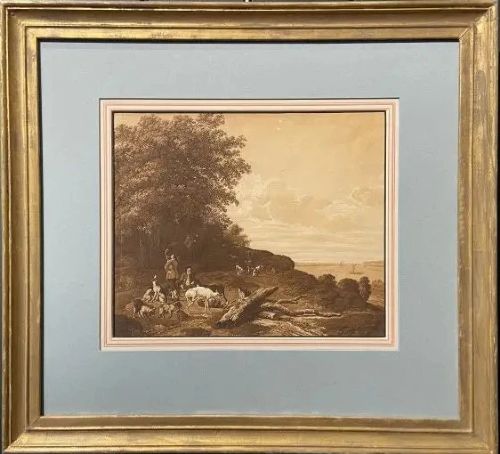
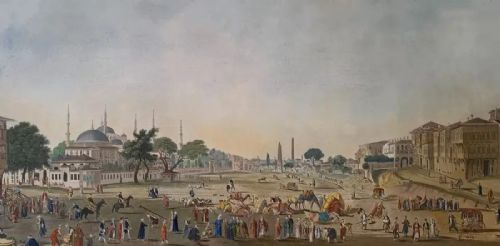
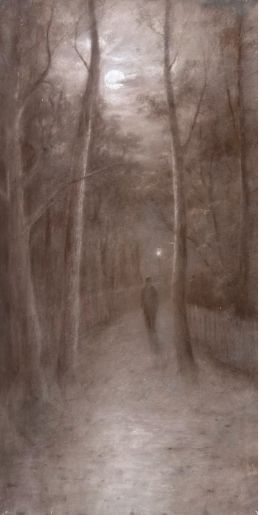
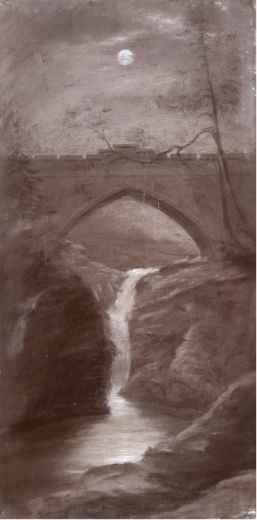
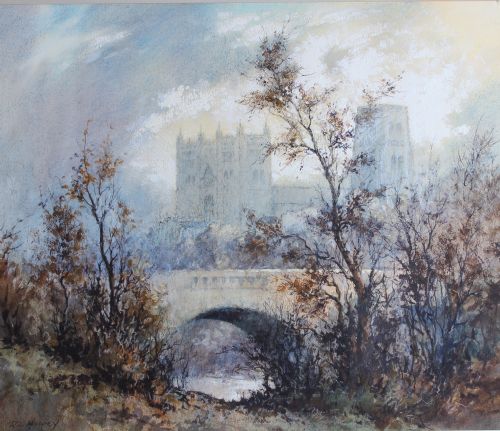


Sepia Landscape Artwork
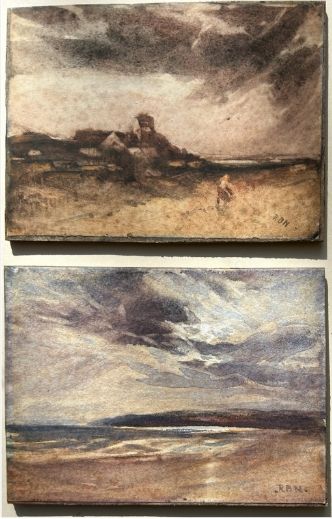
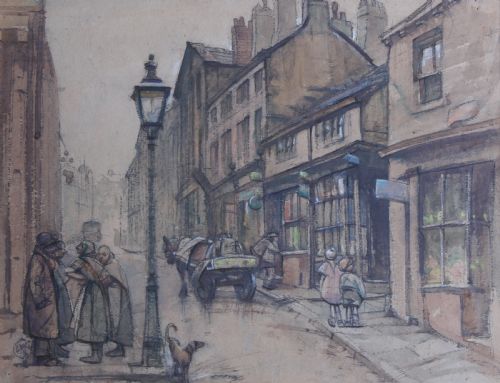
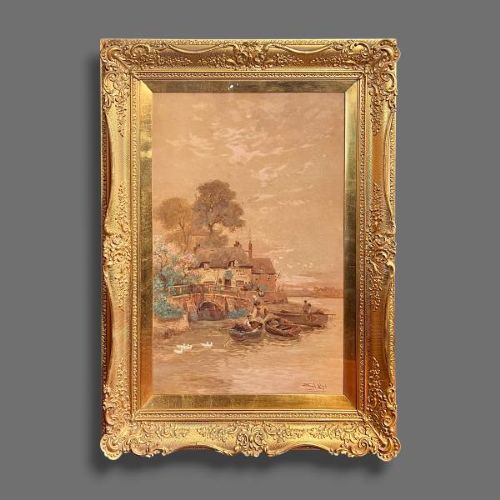
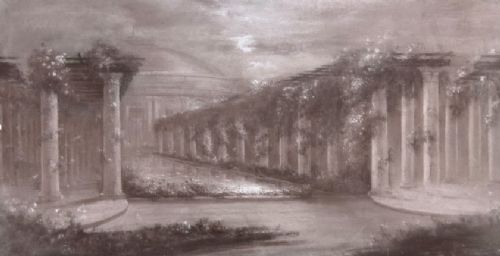
Sepia landscape artwork brings monochrome warmth to a room through delicate washes of brown pigment on paper.
Sepia Landscape Artwork
Sepia landscape artwork encompasses historical paintings and drawings rendered in monochrome brown tones. Buyers search for these pieces to introduce subtle tonal depth and atmospheric calm to domestic interiors.
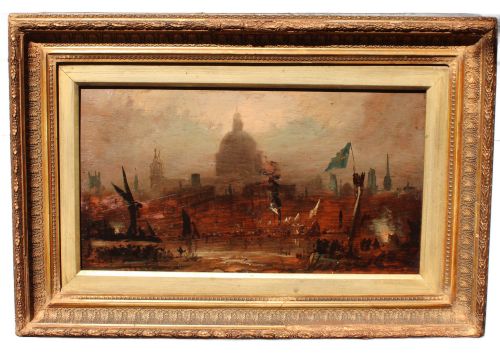
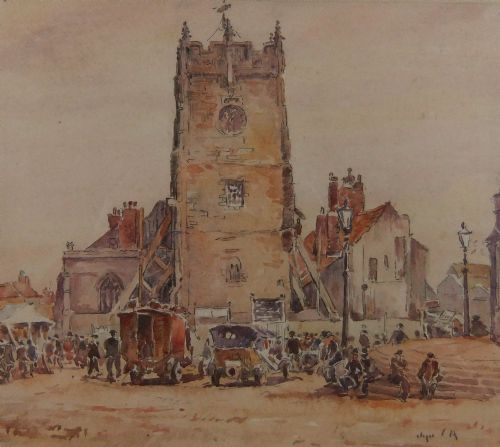
The selections available here span from the Georgian period through the Victorian era into the early twentieth century. Works frequently depict British and European scenes executed in watercolour, ink, charcoal, and pencil on paper.
How they were made
Artists created these works using watercolour pigment, ink, and pencil applied directly to paper supports. Many pieces utilise wood frames and glass protection to preserve the delicate monochrome surface over centuries.
Techniques range from rapid pencil and wash sketches to finished watercolour paintings and prints. Monochrome execution relies entirely on tonal gradations rather than full colour to build form and light.
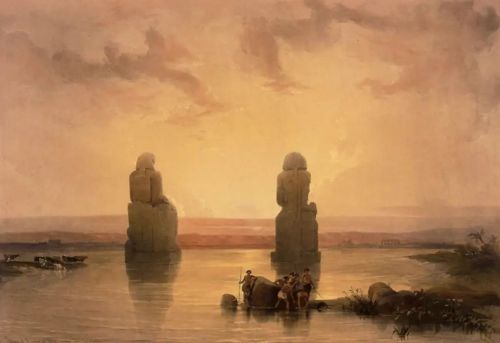
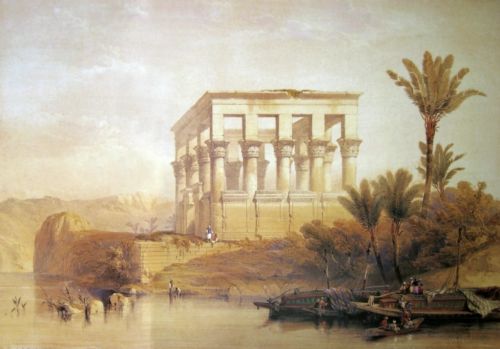
Several artists captured distant foreign lands in brown ink, proving the British obsession with weather followed them to Egypt.
What varies in quality
Quality rests upon the artist's handling of tone, line, and perspective within the monochrome medium. Skilled draughtsmanship achieves deep atmosphere and distinct spatial separation using limited brown pigment.
Preservation of the original paper support and the clarity of the ink or wash define the better examples. Strong provenance and attribution to documented artists elevate individual works above anonymous studies.
David Roberts·Samuel Palmer·William Wyld·Sir Muirhead Bone
The Sepia Landscape Artwork Glossary
- Sepia
- A brownish pigment originally derived from the ink sac of the cuttlefish. It provides the characteristic warm monochrome tone seen in these works.
- Wash
- A thin layer of diluted watercolour or ink spread evenly across paper. This technique creates transparent shadows and atmospheric skies.
- Monochrome
- Execution in a single colour or shades of a single colour. In these artworks, this typically means various tones of brown ink or pigment.
- Gouache
- An opaque watercolour paint containing a binding agent. It allows artists to add lighter highlights over darker sepia washes.
Sepia Landscape Artwork: Frequently Asked Questions
How do I hang sepia landscape artwork safely?
Keep these works away from direct sunlight to prevent the paper and brown pigments from fading over time. Use stable wall fixings suited to the weight of the wood frame and glass.
Ensure the room humidity remains moderate to protect the historic paper support from dampness or warping within the glazing.
What periods do these artworks cover?
The pieces span from the Georgian era through the Victorian period and into the early twentieth century. Styles shift from classical topographical recording to atmospheric British Impressionism and tonalist landscapes.
Earlier pieces often focus on architectural precision, while later examples explore mood and weather conditions through looser brushwork.
Are these works original or printed?
The selection includes both unique hand-drawn or painted originals and period prints. Original works feature direct brush, pen, or pencil marks applied straight onto the paper.
Descriptions specify the exact medium used, distinguishing between unique watercolours and historical print editions.
How should I frame these pieces?
Historic works benefit from conservation-grade mounts that prevent the paper from touching the glass directly. Simple wood frames complement the understated monochrome palette without distracting from the artwork.
Retaining period frames where present adds historical context, provided the structure remains sound and protective.