



Original Fine Art Pair
An original fine art pair brings matched balance to a room, offering two complementary works created together.
Original Fine Art Pair
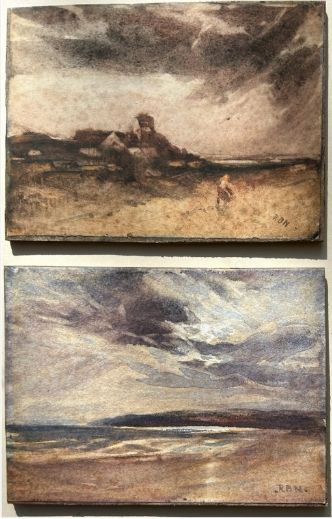
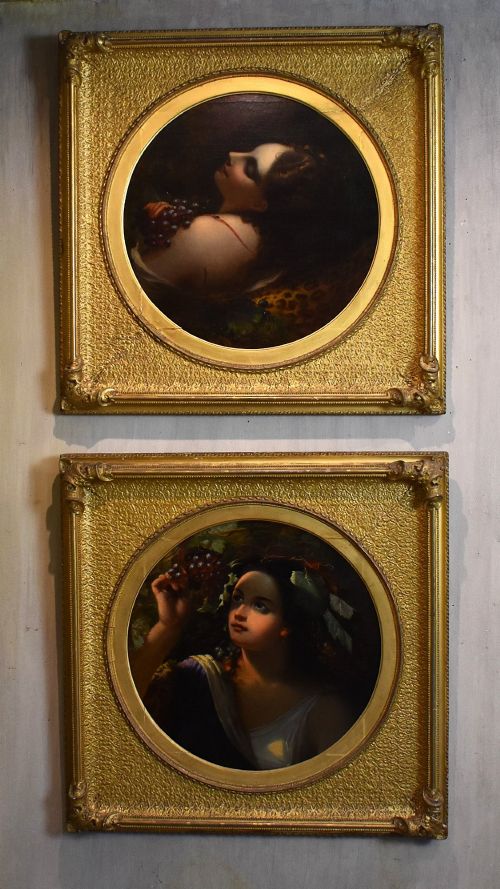
An original fine art pair comprises two related works created by the same hand, designed to hang together as a matched set. These pieces often depict corresponding landscapes, still lifes, or maritime scenes sharing a unified palette and compositional balance.
The selections available here lean heavily into Victorian British and European traditions, spanning from the mid-nineteenth century through the early twentieth century. Common subjects include Scottish landscapes, architectural studies, floral still lifes, and coastal views.
Buyers encountering this category will find works executed in oil on canvas or delicate watercolour on paper, frequently housed in their original period giltwood or composition frames. Each pair captures a distinct historical moment, preserving the aesthetic vision of painters working across the nineteenth century and into the nineteen-thirties.
Distinctions in execution and presentation
The standard of an original fine art pair rests upon the confidence of the brushwork and the precision of the draughtsmanship. Stronger examples display a assured handling of light, atmosphere, and perspective that elevates the visual dialogue between the two companion pieces.
The survival of the original gilt frame and the condition of the underlying canvas or paper surface heavily influence the overall integrity of the set. Matching frames that retain their original gilding and undisturbed backing materials demonstrate a higher degree of historical preservation.
Original Fine Art Pair Retail Price Guide 2026
Typical asking prices for original fine art pair among the pieces listed under this phrase on Sellingantiques today, from the lower quarter to the upper quarter. They describe what is for sale here now, not the wider market.
Samuel Sidley documented Gwydir Castle in eighteen-sixty-six, ensuring these painted stones outlasted their draughty corridors.
Robert Buchan Nisbet RSW·Theodore Jensen·Abraham Hulk I·Evelyn Chester·Nora Cundell·Samuel Sidley·Alfred Vickers Senior·Samuel Hart Turpin·John Holland Snr
The Original Fine Art Pair Glossary
- Giltwood
- Wood carved and coated with gold leaf or metallic gilt powder. This material is standard for high-status nineteenth-century picture frames.
- Watercolour
- A painting method in which the paints are made of pigments suspended in a water-based solution. These works on paper require protective glass glazing.
- Composition frame
- A picture frame moulded from a mixture of whiting, linseed oil, resin and glue over a wooden core. It allows for intricate decorative relief work.
- Canvas
- Heavy woven fabric stretched across a wooden stretcher frame to serve as the foundation for oil paintings. It provides a durable and textured surface for the artist.
Original Fine Art Pair: Frequently Asked Questions
How should I hang an original fine art pair?
Hang the two pieces at eye level with a consistent spacing between them to maintain their visual balance. Aligning the top or bottom edges creates a clean, intentional display.
Ensure they are placed away from direct sunlight and damp conditions to protect the delicate watercolours, oils, and gilt frames from environmental damage.
Are these paintings always signed by the artist?
Signatures appear on many works, often placed discreetly in a lower corner by the painter. Monograms or initials are also common across nineteenth-century pieces.
Unsigned works still attribute successfully through stylistic comparison, recorded provenance, or framing details that link them to a specific studio.
What framing is typical for these works?
Nineteenth-century pieces frequently retain ornate giltwood or moulded composition frames. These surrounds often feature decorative relief work suited to the period.
Retaining the original frame preserves the historical context of the artwork, though occasional regilding or minor repairs occur over time.
How do I care for watercolour versus oil pairs?
Watercolour pairs require protective glazing with glass to shield the paper and pigments from dust and moisture. They must be kept out of bright light to prevent fading.
Oil paintings on canvas are more resilient but benefit from stable room temperatures and gentle dusting with a soft, dry brush.