



Sectional Display Bookcase
Sectional display bookcase pieces are modular units built to protect books while offering flexible arrangement, and collectors prize them for their practical ingenuity.
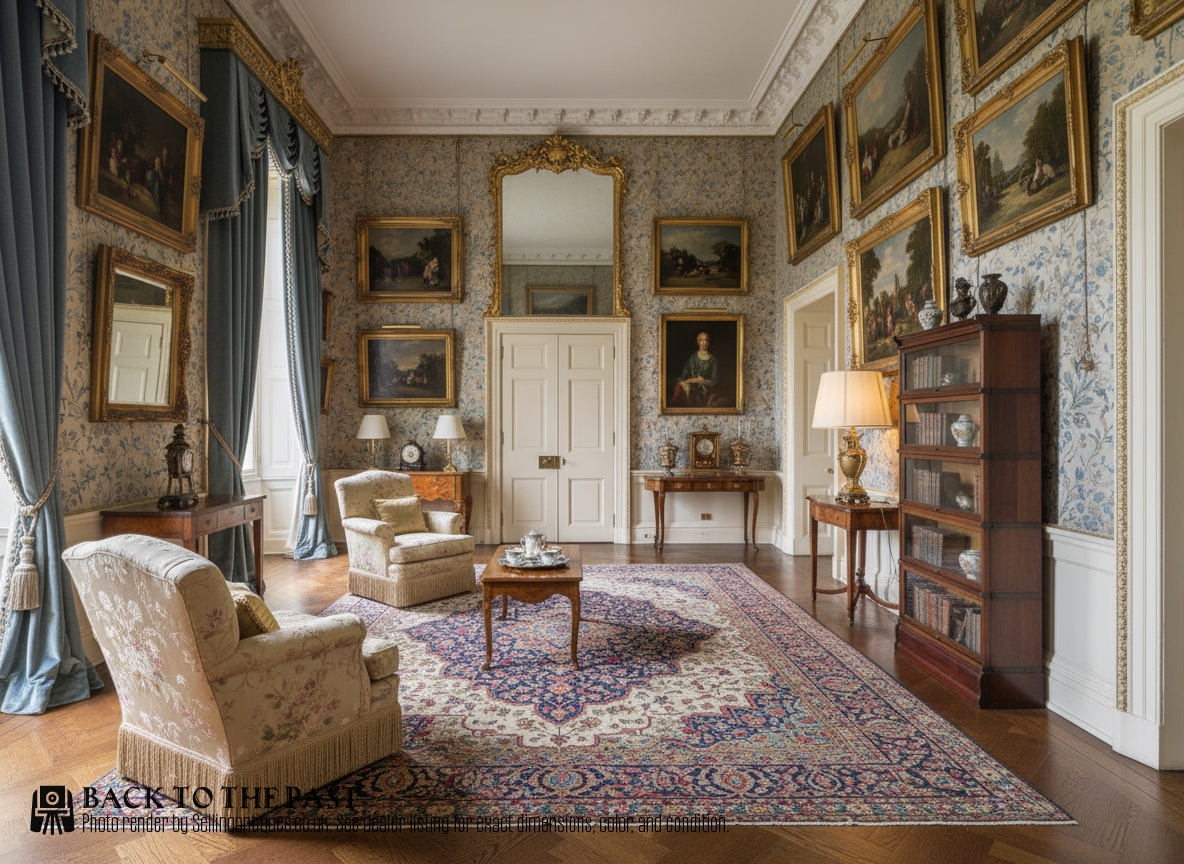
Sectional Display Bookcase
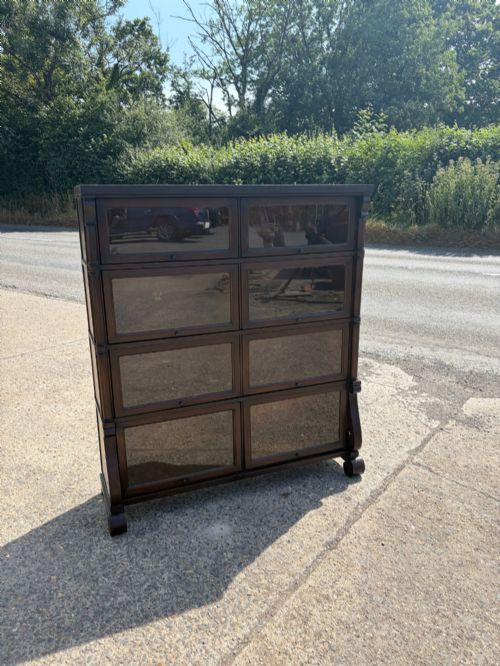
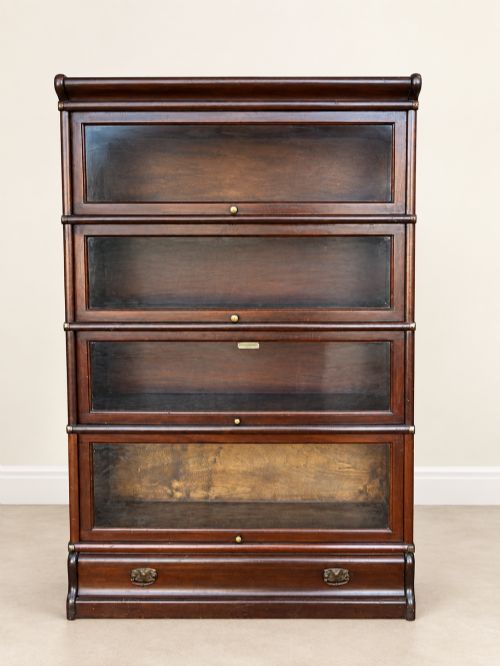
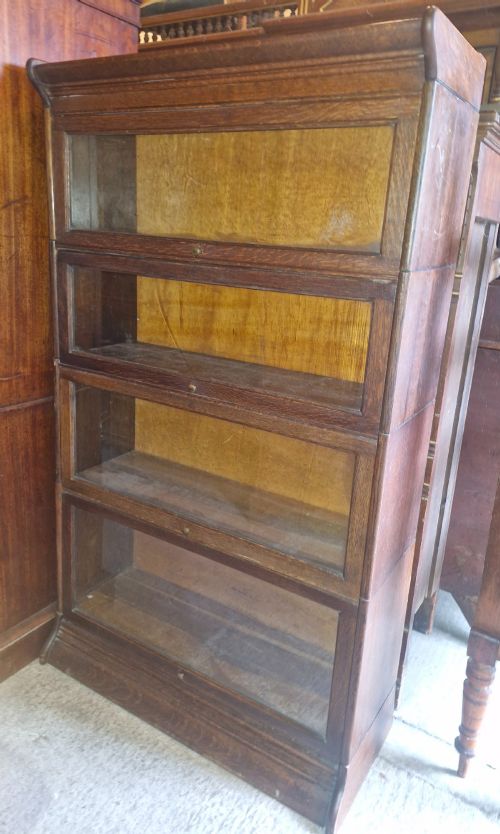
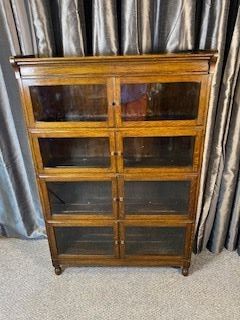
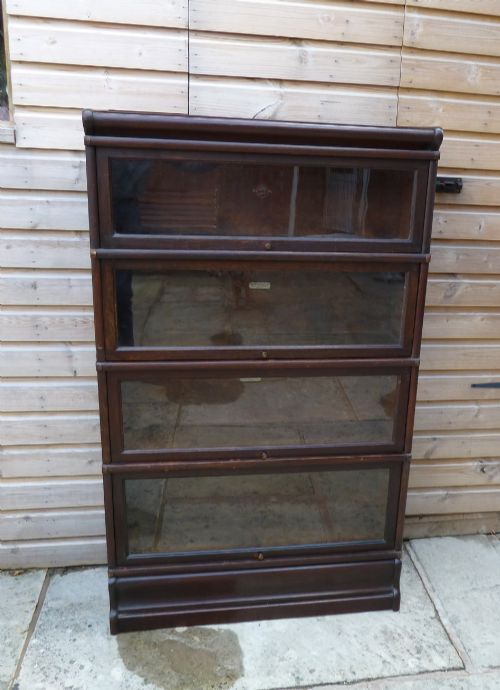
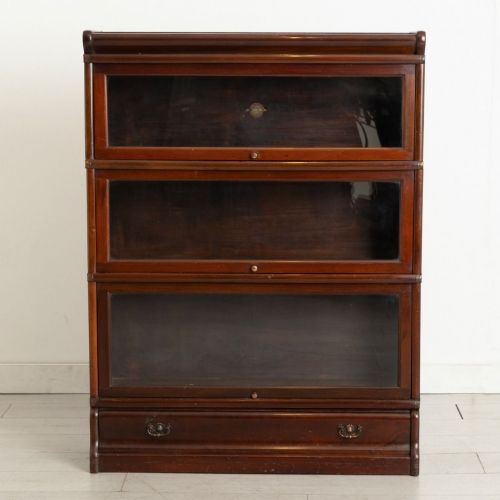
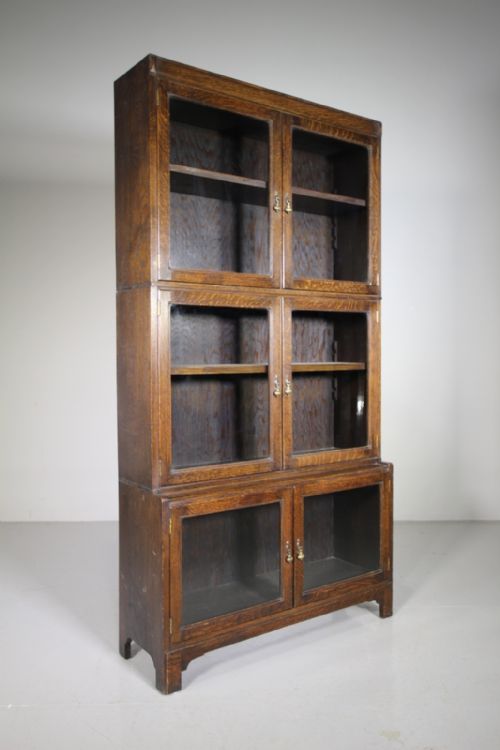
A sectional display bookcase is a modular piece made of stackable tiers with glazed lifting doors, designed to house libraries while allowing the furniture to grow alongside the collection. Most examples encountered here originate from the early twentieth century, spanning Edwardian, Arts and Crafts, Art Deco, and nineteen-thirties periods.
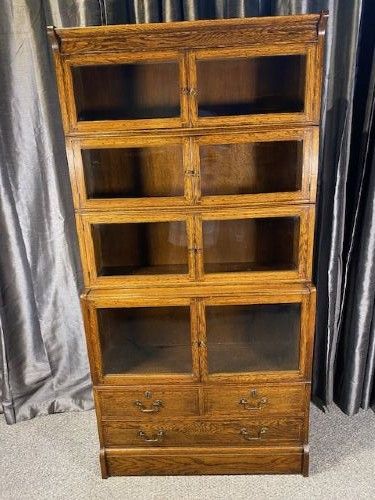
The dominant forms are barrister and stacking bookcases built in oak or mahogany, often divided into three, four, or five tiers. These units frequently bear the hallmarks of makers such as Globe Wernicke, Minty, Lebus, and Heal's, alongside pieces in the Georgian style and mid-century modern designs.
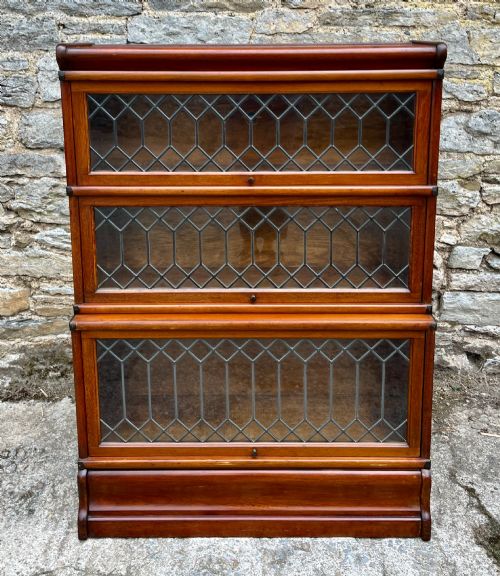
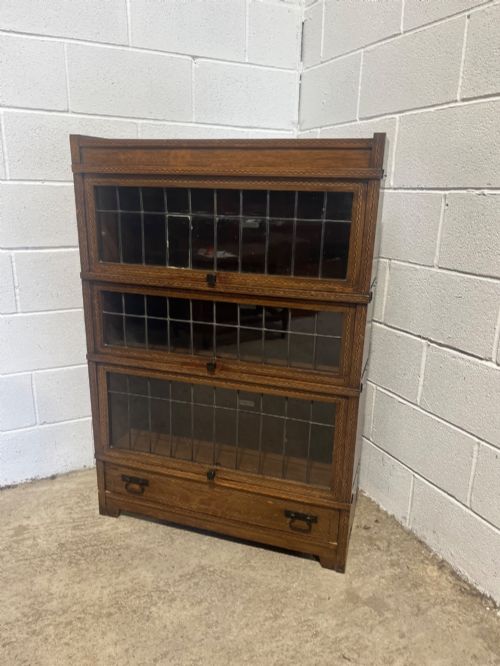
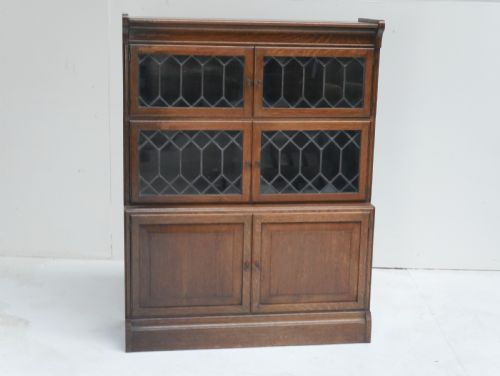
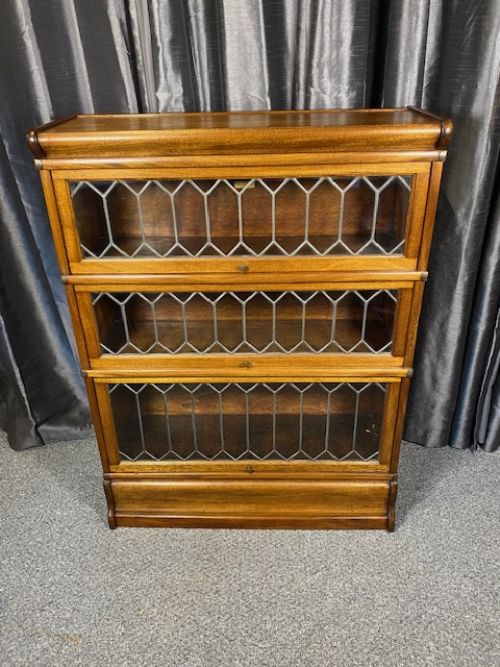
Buyers will also find variations incorporating leaded glass, wood inlay, brass hardware, and specialised configurations like tall narrow formats or French haberdashery cabinets. Each tier operates independently, allowing the owner to stack matching sections or mix modular elements according to available space.
How they were made
Makers constructed these bookcases primarily from solid oak and mahogany, frequently selecting quarter-sawn oak to produce prominent medullary ray figure patterns across the panels. Wood inlay provided decorative borders, while brass knobs, pulls, and strap mechanisms reinforced the modular joints between stacking tiers.
Glazing is central to the construction, employing plain glass or leaded glass panes set within wooden frames to protect volumes from dust. Doors utilise specialised scissor-hinge mechanisms or sliding pivots that allow each glazed front to lift smoothly and slide recessed into the top of the tier.
Some modules served travelling barristers, meaning your modern desk reference once travelled circuits by train.
What varies in quality
Quality rests in the precision of the modular joinery and the selection of timber, where tightly figured quarter-sawn oak and richly grained mahogany distinguish superior cabinets from utilitarian examples. Original hardware, including maker plates, brass pulls, and functional door-balancing mechanisms, adds significantly to the integrity of a piece.
The sophistication of the glazing also dictates the tier, with leaded glass panels and crisp bevels marking out finer workshop production. Uniformity across stacked sections, matching wood tones, and intact original finishes separate standard utilitarian stacks from distinguished examples by notable makers.
Globe Wernicke·Minty·Heal s·Lebus·AMYL·Phoenix Gallery
The Sectional Display Bookcase Glossary
- Barrister bookcase
- A stacking bookcase featuring multiple modular tiers with glass doors that lift and slide into the cabinet above each shelf. This design allowed travelling lawyers to transport their libraries securely.
- Quarter-sawn oak
- Timber milled perpendicular to the annual growth rings, producing a durable board with decorative fleck patterns. This cut resisted warping, making it ideal for modular cabinetry.
- Leaded glass
- Small panes of glass joined together by strips of lead to form geometric or decorative patterns within a door frame. It is frequently seen in Arts and Crafts and early twentieth-century examples.
- Modular stacking
- A method of construction where separate cabinet tiers rest one upon another without permanent fasteners, topped with a separate cornice and set upon a matching base plinth.
Sectional Display Bookcase: Frequently Asked Questions
How do sectional bookcases stack together?
Each tier is a self-contained box with a top cornice, bottom plinth, or interlocking side joints that locate securely onto the section below. The entire assembly relies on gravity and precision joinery rather than screws or permanent fixings.
This modular design allows owners to separate the tiers for transport or add extra shelves as a library expands over time.
How do the glass doors operate?
The glazed fronts utilise a mechanical scissor arm or side-pivot guide that allows the door to push upward and slide horizontally into the upper recess of the tier. This lets you access books without swinging a door outward into the room.
When closed, the glass protects valuable bindings from dust while remaining completely transparent for display.
Can I mix different wood finishes together?
Modular sections from the same maker often share standardised dimensions, but timber tones can vary due to natural ageing, sunlight exposure, and original finishing oils. Golden oak, dark fumed oak, and rich mahogany require careful matching if you intend to stack tiers from different sources.
Checking the depth and width measurements of each individual tier ensures proper structural alignment when combining units.
How do I identify the period of a bookcase?
Dating relies on stylistic clues, hardware design, timber selection, and maker stamps or paper labels often pasted inside the top or bottom tiers. Edwardian and nineteen-twenties models frequently display Arts and Crafts influence, while later nineteen-thirty examples embrace Art Deco clean lines or limed oak finishes.
Comparing the corner joints, backboards, and brass mechanism patents helps narrow the decade of manufacture.