


Scrolled Leg Desk
These scrolled leg desk pieces bring period character to a study, built from solid timbers like mahogany and rosewood with classical proportions.
Scrolled Leg Desk
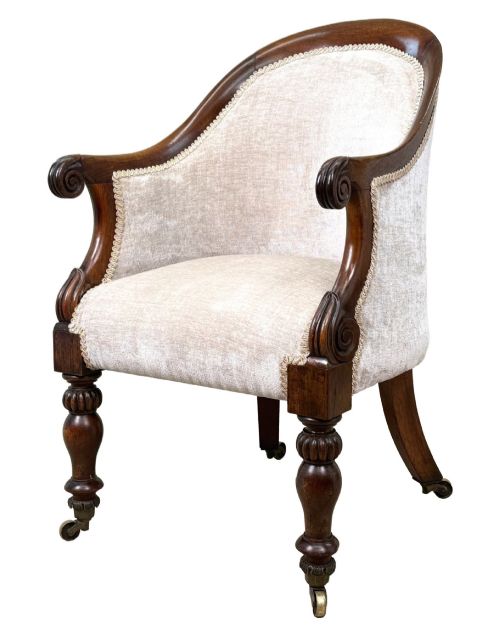
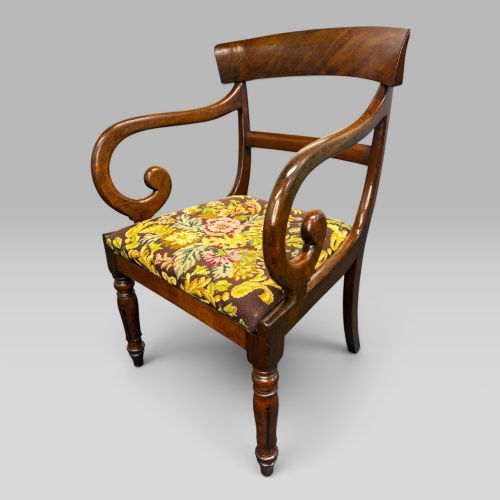
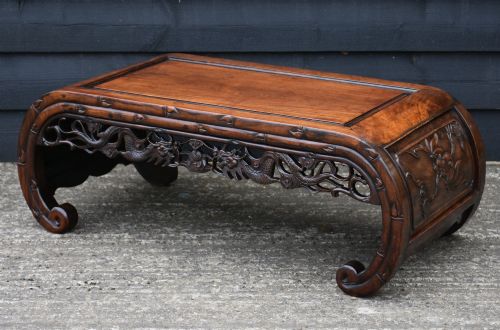
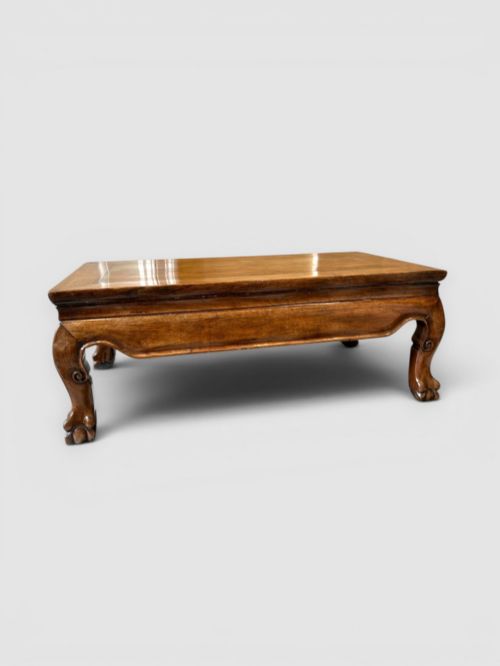
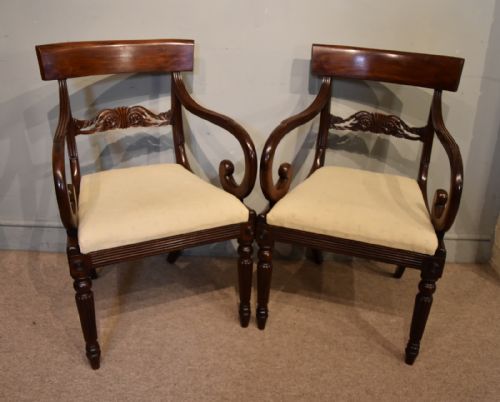
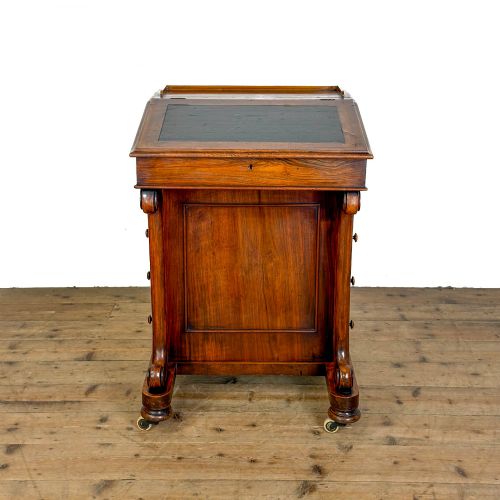
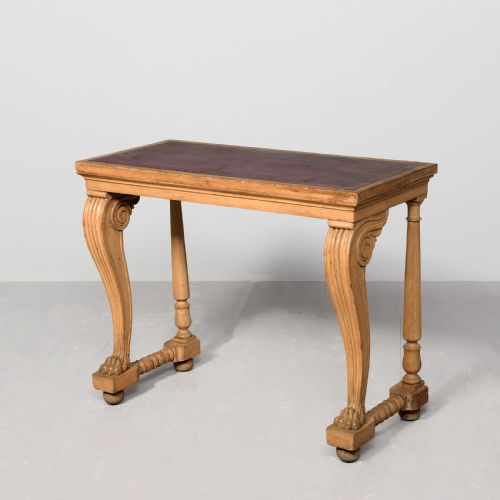
When you search for a scrolled leg desk, you are looking at practical writing furniture and related library seating shaped by nineteenth-century cabinet makers. The evidence shows these pieces span the Georgian, Regency, William IV, and Victorian eras, alongside related writing tables and desks.
You will most commonly meet mahogany and rosewood forms on this page, often featuring distinctive scroll arms or legs that define the silhouette. These pieces combine utilitarian surfaces with the ornamental timber work characteristic of nineteenth-century workshops.
Materials and construction
Makers relied heavily on dense hardwoods such as mahogany, walnut, and rosewood, often complemented by brass mounts and leather inserts for writing surfaces. These durable timbers allowed craftsmen to carve intricate details like scrolls and sabre legs without compromising structural integrity.
Traditional joinery methods secured the frames, while applied veneers highlighted the natural grain of burr walnut and rosewood. Fabric, needlepoint, and leather upholstery completed the functional elements of chairs and desk surfaces.
Some chairs were built with broad proportions specifically to accommodate voluminous nineteenth-century garments.
Markers of quality
The distinction between ordinary and exceptional pieces lies in the crispness of the timber carving and the selection of figured veneers. Superior examples display balanced proportions and original brass mounts, whereas lesser pieces show simpler turning and replaced hardware.
The integrity of the structural joints and the retention of original surface finishes dictate the standing of a desk or chair. Workshop execution determines whether a piece maintains its architectural clarity over centuries of use.
James Mein of Kelso
The Scrolled Leg Desk Glossary
- Mahogany
- A durable reddish-brown tropical hardwood favoured for its stability and fine grain during the Georgian and Victorian periods. Cabinet makers used it extensively for structural frames and turned elements.
- Davenport
- A compact pedestal desk featuring a sloping writing surface and side drawers, popular during the Victorian era. It offered functional workspace within a small footprint.
- Sabre leg
- A concave sweeping leg tapering towards the foot, commonly seen on Regency chairs and seating. This classical form draws inspiration from ancient furniture designs.
- Library armchair
- A generous upholstered seat designed for comfort during prolonged reading or writing. These chairs often incorporate substantial wooden armrests and sturdy frames.
- Brass mounted
- The application of brass decorative or structural elements, such as feet, handles, or inlay, to timber furniture. This technique added contrast and durability to high-status pieces.
Scrolled Leg Desk: Frequently Asked Questions
How do I identify Regency pieces?
Regency furniture often displays classical restraint, sabre legs, and dark timbers like mahogany or rosewood.
Makers of this era frequently incorporated brass mounts and clean architectural lines.
Where were these desks used?
These items served primarily in domestic studies, libraries, and formal reception rooms for correspondence and record keeping.
Their robust construction suited daily administrative tasks in nineteenth-century households.
How should I care for timber surfaces?
Maintain hardwood and veneer surfaces by avoiding direct sunlight and excessive moisture fluctuations.
Periodic application of suitable furniture wax helps preserve the natural lustre of the timber.