


Antique Music Stand Table
An antique music stand table combines the utility of a sheet music holder, reading desk or occasional table from the Regency, Victorian and Edwardian periods.
Antique Music Stand Table
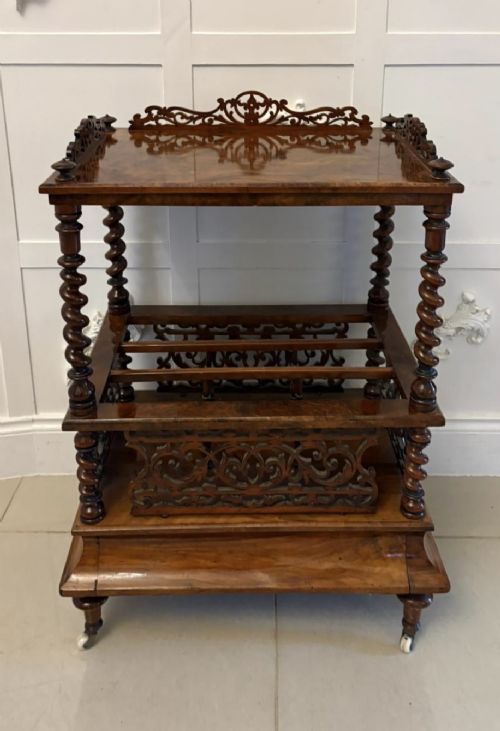
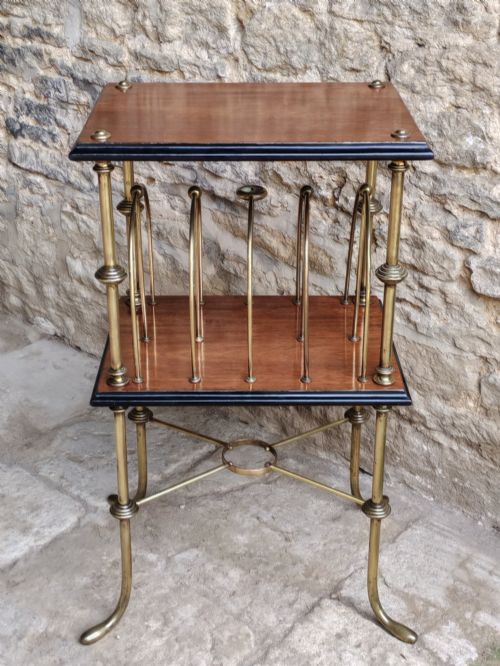
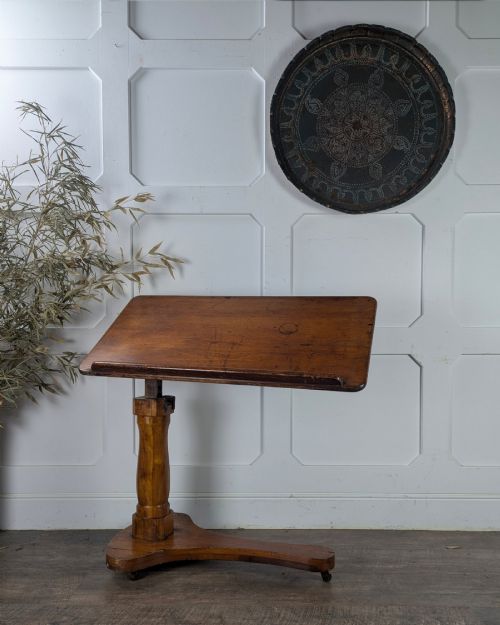
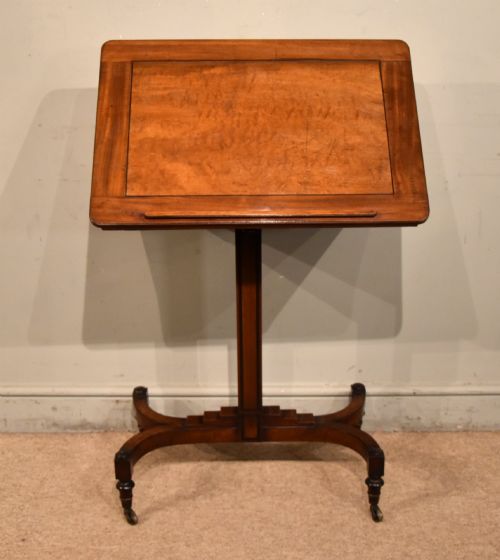
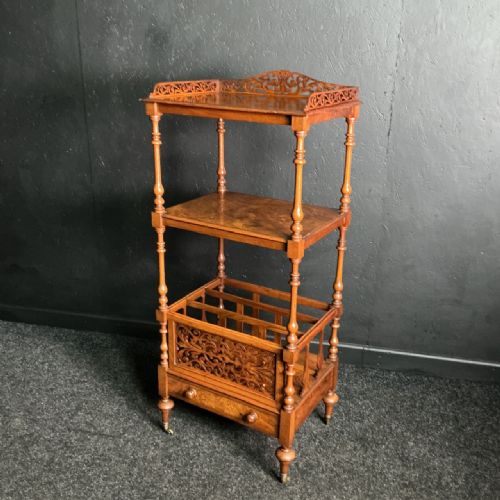
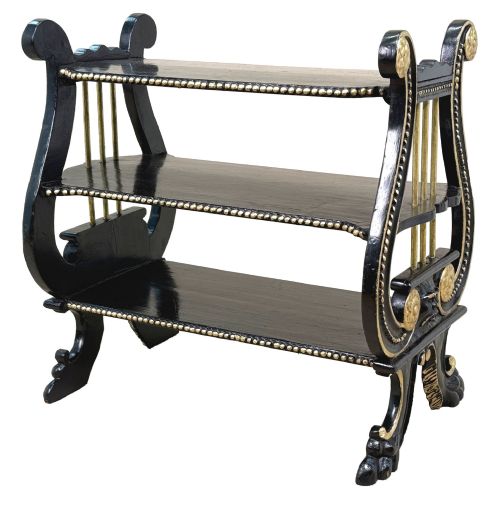
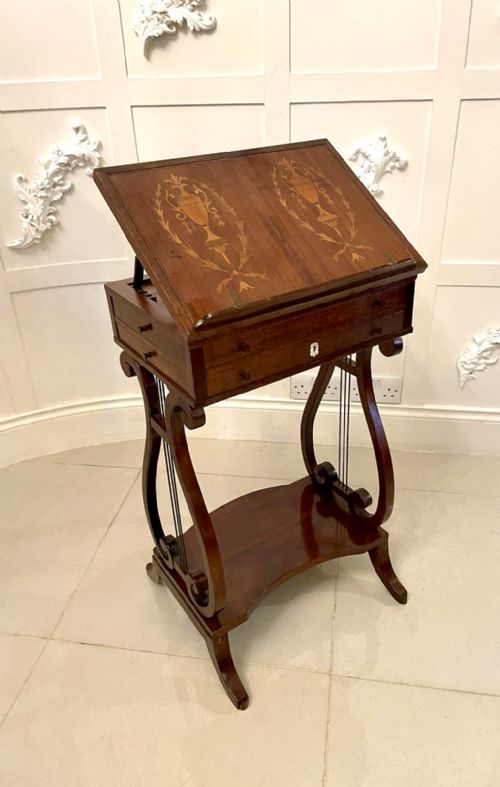
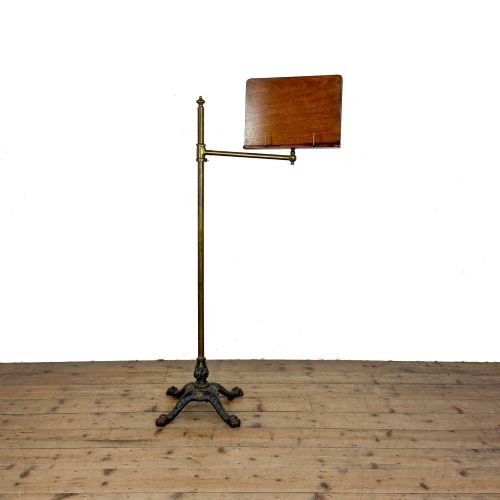
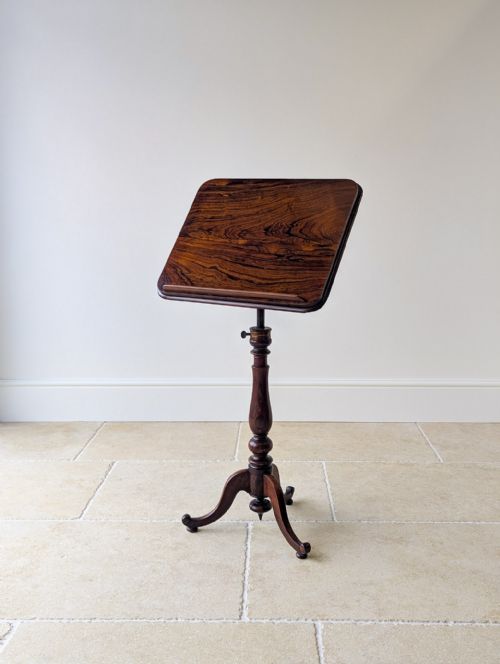
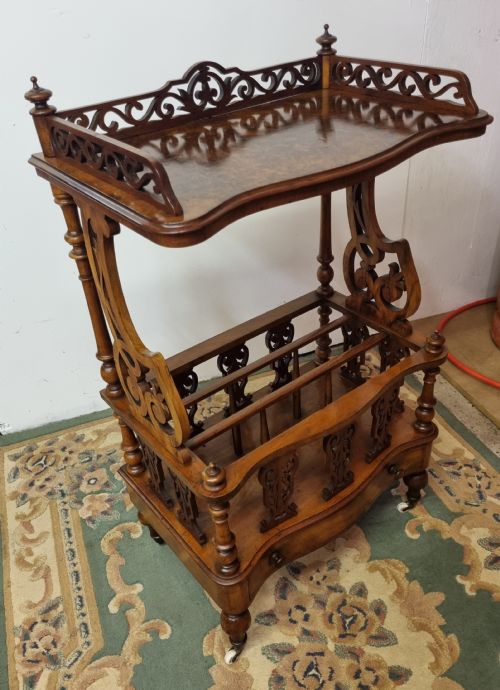
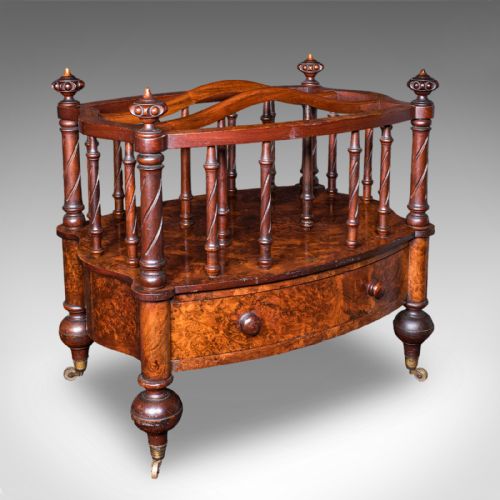
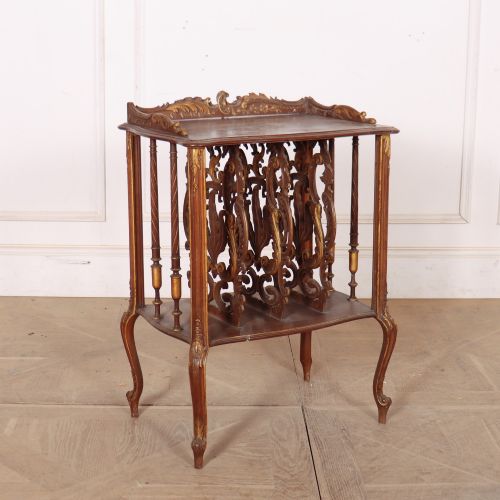
When searching for an antique music stand table, a buyer encounters a diverse group of hybrid furniture pieces designed for reading, writing and holding folios, newspapers or sheet music. These items bridge multiple functions, appearing variously as adjustable reading desks, music cabinets, writing tables with folio stands, and multi-tiered whatnots or canterburys.
Materials and Technique
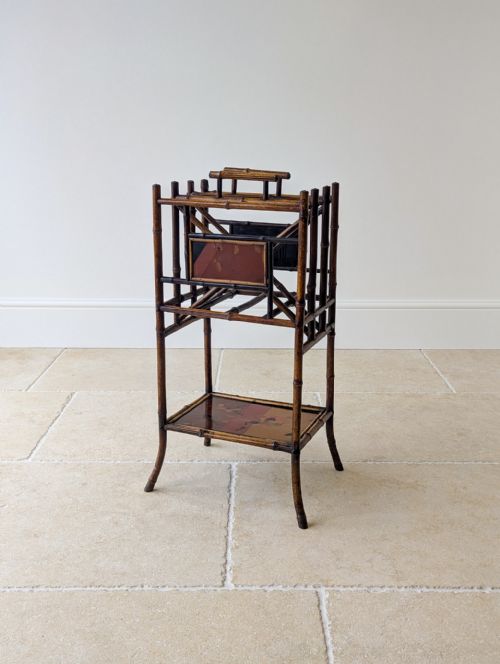
Cabinetmakers constructed these pieces primarily using dense hardwoods such as mahogany, walnut, burr walnut and rosewood, occasionally incorporating satinwood, boxwood, ebonised wood or bamboo. Timber selection dictated the character of the surface, with burr walnut veneer and finely figured mahogany providing rich grain patterns.
Metal components played a crucial structural and decorative role, particularly in adjustable reading mechanisms and music rests. Brass fittings, including adjustable ratchets, reading arms and inlay, appeared alongside ceramic castors and carved wooden details such as parcel gilding or marquetry inlay.
Listings feature pieces spanning the Regency, William IV, Victorian, and Edwardian periods, constructed predominantly from mahogany, walnut, and rosewood.
Craftsmanship and Mechanism
The distinction between standard and superior examples rests heavily on the sophistication of the mechanics and the precision of the joinery. Tables featuring smooth rise and fall ratchets, original brass hardware, and tightly fitted compartment dividers demonstrate higher workshop competence.
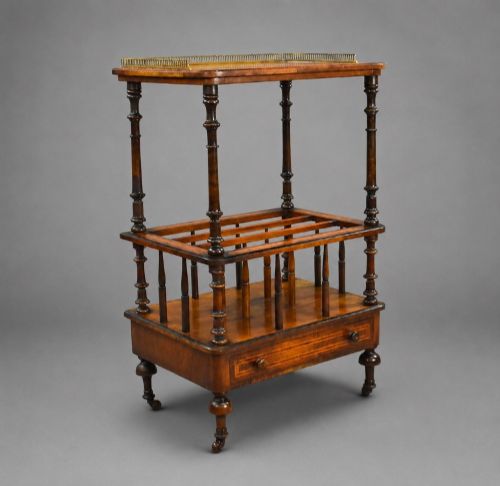
Design complexity also separates pieces, with multi-functional items combining a Canterbury rack, drawer, and adjustable reading slope requiring advanced carpentry. The choice of timber veneers, such as highly figured burr walnut matched symmetrically across a top, signals greater care by the maker.
Carters of London·Swann & Millican·Leveson London·Gillows
The Antique Music Stand Table Glossary
- Canterbury
- A low, compartmentalised stand designed to hold sheet music, newspapers or folios, often fitted with a drawer or carrying handles below an occasional table top.
- Whatnot
- A set of open, multi-tiered shelves supported by slender columns or uprights, utilised for displaying ornaments or holding books and papers.
- Lectern
- An adjustable reading desk or stand designed to hold books or music scores at a slanted angle for ease of recitation or performance.
- Étagère
- A French-derived piece of furniture consisting of a series of open shelves for displaying small objects, often executed in ebonised wood.
- Marquetry
- Decorative veneer work arranged in intricate patterns or pictures using various coloured woods, boxwood and other contrasting materials.
Antique Music Stand Table: Frequently Asked Questions
What is an antique music stand table?
An antique music stand table is a multi-purpose item of domestic furniture designed to hold books, sheet music, or writing materials while functioning as a small side or occasional table.
These pieces typically date from the Regency, Victorian, and Edwardian eras, combining storage compartments like canterburys with adjustable reading surfaces or tiered display shelves.
How were music stand tables used?
In historical drawing rooms and parlours, these tables served musicians, readers, and writers who required a stable surface that could adjust to various angles.
The compartments held unbound sheet music or newspapers, while the tops accommodated lamps, writing implements, or open scores for practice and study.
How do I identify a Victorian music table?
Victorian music tables often feature rich timber selections like burr walnut and rosewood, frequently accompanied by decorative marquetry inlay, ebonised accents, or turned wooden supports.
They commonly incorporate lower compartmentalised racks for folios or upright music cabinets with glazed or panelled doors, alongside brass height-adjustment mechanisms.
Where should I place a music table?
These versatile items suit placement beside armchairs, sofas, or pianos where their surface and storage compartments remain easily accessible.
Their compact footprints allow them to function effectively as lamp tables or display surfaces in living spaces and studies without dominating the room.