



Scottish School Artwork
Scottish school artwork brings the distinct light, topography and portraiture of Scotland into interiors through oils and watercolours spanning multiple centuries.
Scottish School Artwork
When you search for scottish school artwork, you encounter a diverse range of paintings and works on paper capturing landscapes, coastal scenes, and portraiture. These pieces span from the eighteenth century through the Edwardian era and into the 1930s, reflecting changing regional aesthetics over time.
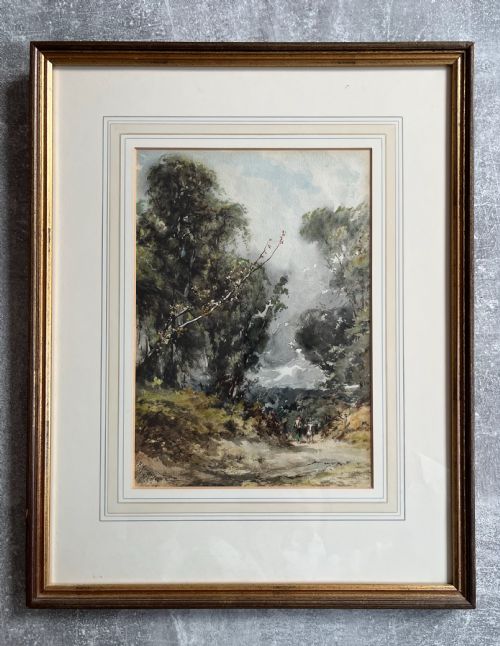
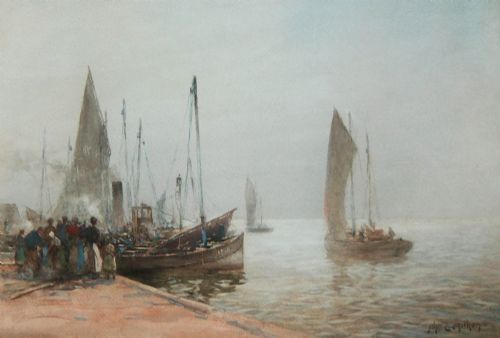
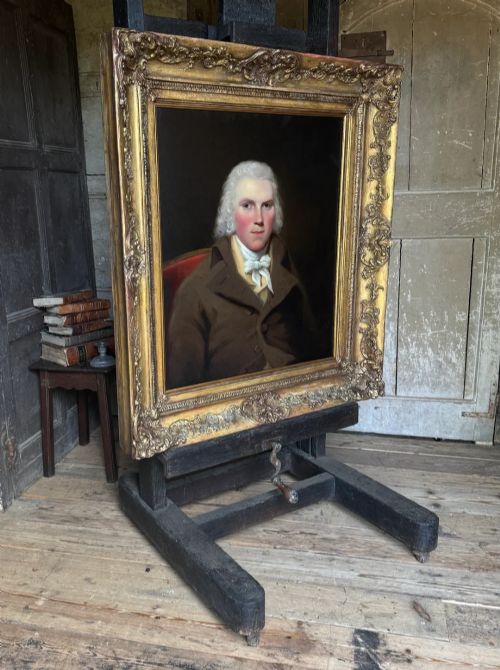
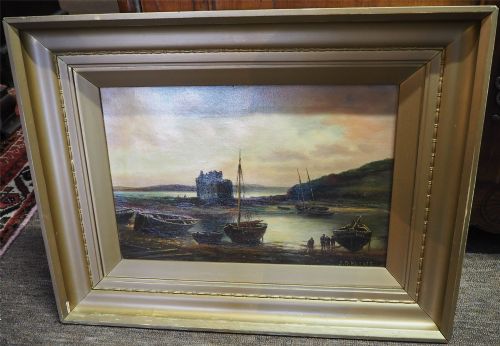
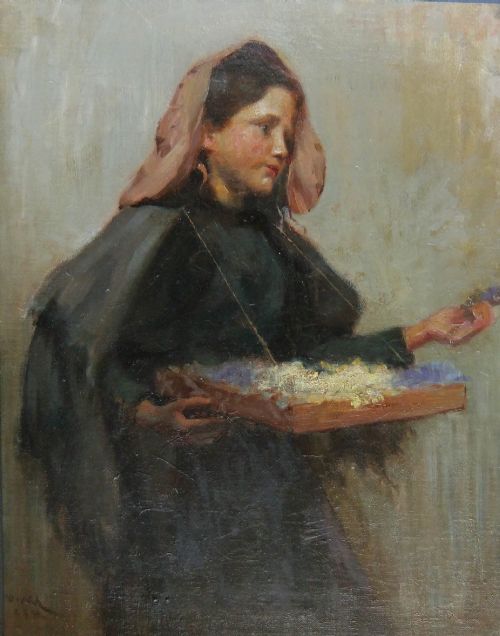
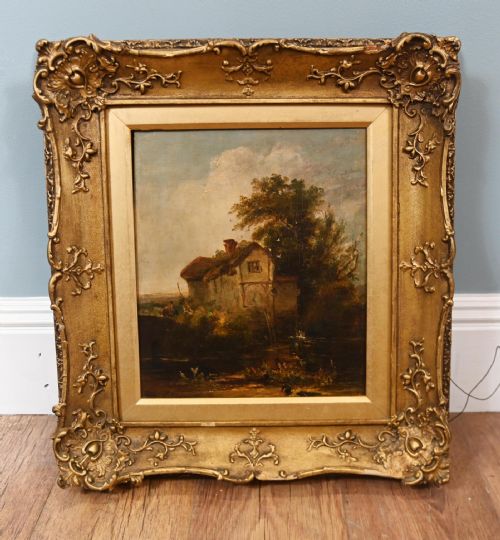
The selections available here lean heavily towards landscapes of the Highlands and coastal waters, alongside formal portraits and genre scenes. You will find oil paintings on canvas, board, and wood panel, as well as delicate watercolours and pen and ink drawings.
Works originate from various periods including the Georgian and Victorian eras, with many pieces carrying specific attributions to notable artists working within Scotland. These regional works offer a direct window into historical Scottish topography and society.
Materials and methods
Artists primarily utilised oil paint applied to canvas, wood panels, or boards, creating textured surfaces that capture atmospheric light. Watercolours on paper provide a lighter, more translucent medium frequently employed for topographical views and figure studies.
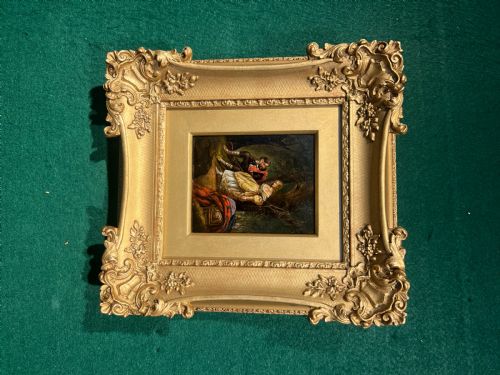
Framing often involves traditional giltwood or wood surrounds that complement the period of the painting. Pen and ink on paper appears in specific arts and crafts examples, demonstrating linear precision alongside wash techniques.
Scottish School Artwork Retail Price Guide 2026
Typical asking prices for scottish school artwork among the pieces listed under this phrase on Sellingantiques today, from the lower quarter to the upper quarter. They describe what is for sale here now, not the wider market.
Several artists captured local fauna alongside human subjects, recording Friesian cows and caught trout with the same gravity as Scottish lairds.
Assessing quality
Quality in these works rests upon the confidence of the brushwork and the artist's ability to render natural light and atmosphere. Stronger pieces display assured handling of pigment, particularly in landscape foliage and water reflections, whereas lesser examples can appear stiff or formulaic.
The depth of provenance and the clarity of attribution also influence the standing of a piece. Works retaining original framing or detailed signatures by documented practitioners carry greater historical resonance.
George Fotherly Hargitt·Tom Campbell·James E. Aitken·William Watt Milne·Frank Hider·Robert Gemmell Hutchinson·Sam Bough·Alfred de Breanski Snr·George Smith·John B. MacDonald·Edward John Niemann·E. M. Seaton·John Mc Ghie·Allan Douglass Mainds·John D. Walker
The Scottish School Artwork Glossary
- Oil on Canvas
- Pigment suspended in drying oil applied to a stretched woven fabric support. This medium allowed artists to build rich textures and deep tones.
- Watercolour
- Paint consisting of colour pigments suspended in a water-soluble vehicle, typically worked on paper. It requires swift, deliberate application as corrections are difficult to conceal.
- Wood Panel
- A rigid wooden support used by artists before stretched canvas became dominant. Panels provide a stable, smooth surface for detailed brushwork.
- Giltwood
- Wood carved and coated with gold leaf or a gold-coloured metallic finish. It forms the decorative framing typical of nineteenth-century presentation.
- Impressionism
- A style focused on capturing the visual impression of a moment, especially regarding shifting light and colour. Scottish practitioners adapted these tenets to northern landscapes.
Scottish School Artwork: Frequently Asked Questions
What defines Scottish school artwork?
These works encompass paintings and works on paper created by artists working in Scotland or focusing on Scottish subjects. The category bridges formal portraiture, coastal marine scenes, and romantic highland landscapes.
Spanning from the eighteenth century into the early twentieth century, the grouping reflects the stylistic shifts of Georgian, Victorian, and impressionist movements adapted to northern light.
How do I identify the date of a painting?
Dates can often be established through signatures, inscriptions on the reverse, or exhibition labels attached to the frame. Stylistic clues such as costume in portraits or framing materials also provide chronological markers.
Many listings reference active periods of the artists or specific dates recorded directly on the canvas or board by the creator.
Where were these pieces typically displayed?
Historically, such artworks hung in domestic parlours, country houses, and civic buildings across Britain. Highland landscapes and maritime scenes were particularly favoured for formal reception rooms.
Today, they suit a variety of interiors, bringing historic character and regional narrative to contemporary wall spaces.
How should I care for oil paintings on wood panel?
Oil paintings require stable environmental conditions away from direct sunlight and sudden temperature fluctuations. Wood panels are particularly sensitive to humidity changes which can cause warping.
Dust surfaces gently with a soft, dry brush and avoid using liquid cleaners or abrasive cloths on the paint film or the gilt frame.