


Scottish Provincial Silver
Scottish provincial silver comprises dining flatware, personal brooches, and desk accessories marked by regional makers outside Edinburgh.
Scottish Provincial Silver
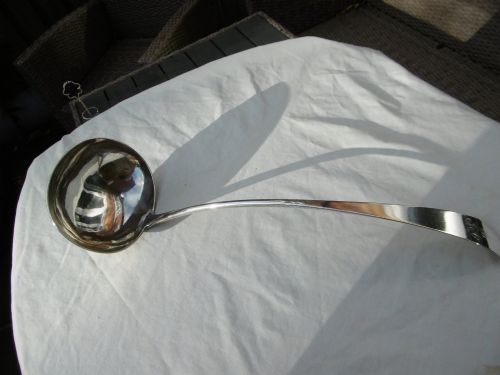
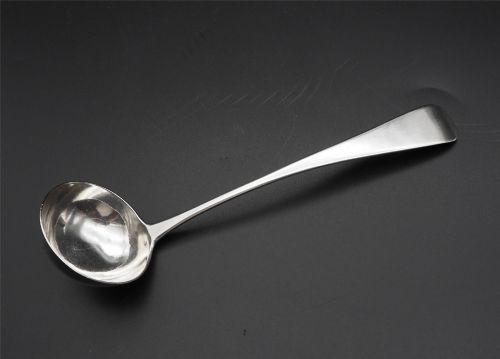
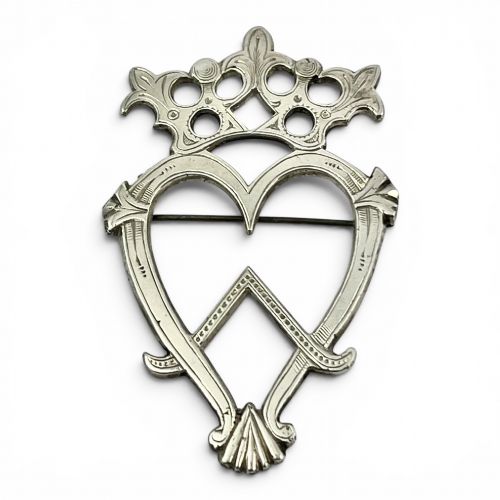
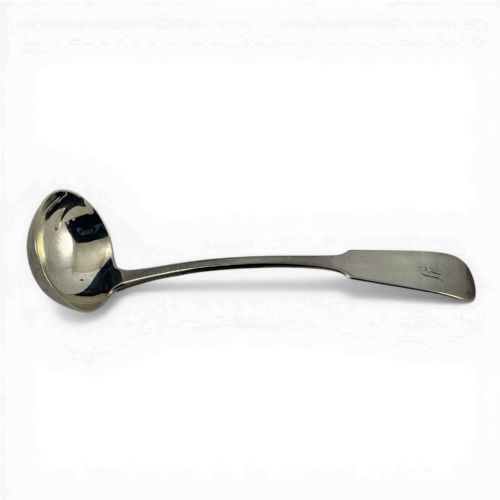
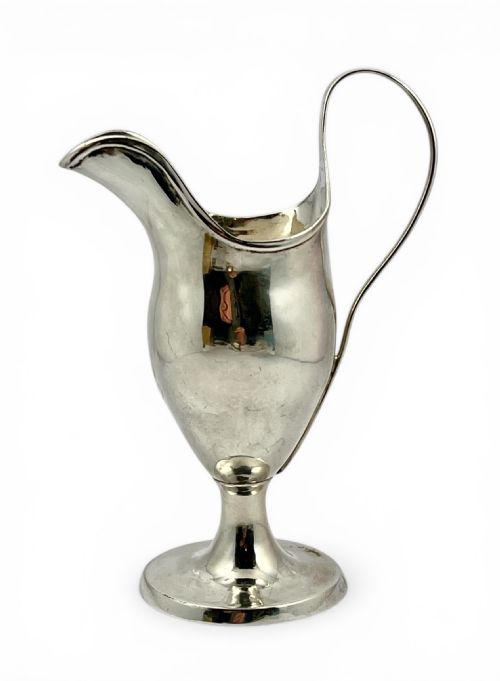
When buyers search for scottish provincial silver, they encounter functional tableware and personal ornaments created by silversmiths working in towns and cities across Scotland outside the capital. The items appearing most frequently on this page include ladles, spoons, cream jugs, and brooches originating from centres such as Aberdeen, Inverness, Perth, and Glasgow. These pieces span the eighteenth, nineteenth, and early twentieth centuries, reflecting the distinct regional assay marks of local makers.
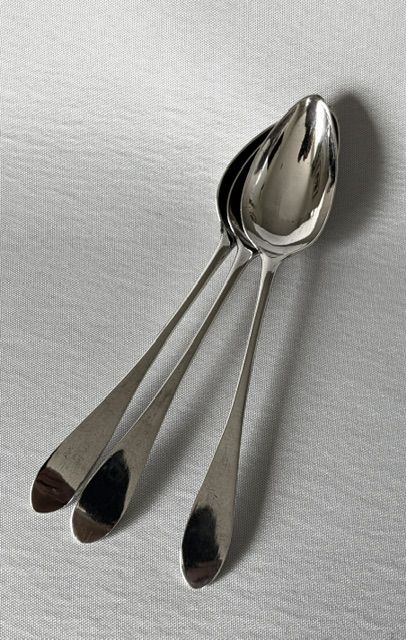
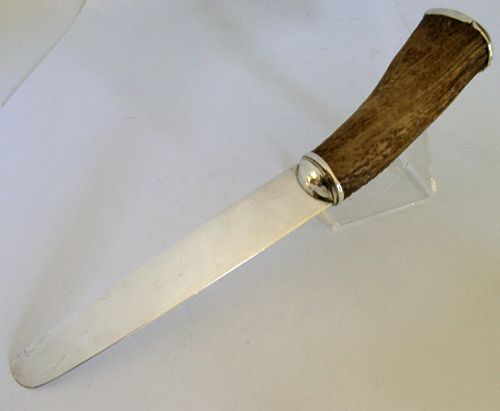
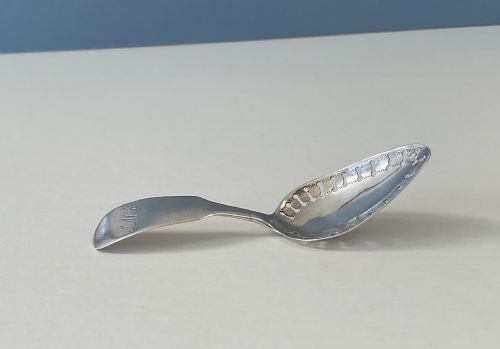
The selection ranges from heavy soup ladles and basting spoons to small condiments, tea caddy spoons, and mustard spoons. Alongside hollowware and cutlery, collectors find desk accessories, page turners, and brooches set with agate, jasper, and horn. Pieces date across George I, George III, Regency, and Victorian periods, demonstrating the varied output of provincial workshops.
Materials and construction
Makers utilised sterling silver and standard silver alongside organic and mineral elements including horn, agate, jasper, and green marble. Flatware such as rat tail tablespoons and gravy ladles display hammered and shaped metalwork bearing maker marks and town punches specific to regional trade guilds. Desk accessories and snuff boxes often incorporate polished horn or shell fitted with silver mounts and hinges.
Brooches and decorative items combine silver settings with native Scottish stones like agate and jasper, shaped and polished by hand. Larger serving pieces and tableware rely on solid silver construction, sometimes featuring cast elements such as handles or applied crests. The physical evidence shows traditional silversmithing techniques adapted to the output of distinct local towns.
Scottish Provincial Silver Retail Price Guide 2026
Typical asking prices for scottish provincial silver among the pieces listed under this phrase on Sellingantiques today, from the lower quarter to the upper quarter. They describe what is for sale here now, not the wider market.
Curling stone desk paperweights and green marble cutlery bring unexpected Scottish sports and geology into the silver cabinet.
Factors determining quality
Quality in these objects rests upon the clarity of the maker marks and town punches struck into the metal. Pieces carrying crisp, legible stamps from smaller or scarcer locations command greater attention than unmarked or heavily worn examples. The survival of original form, whether a delicate rat tail spoon or a heavy soup ladle, dictates the desirability of an item.
The integration of secondary materials such as agate stones, green marble, or natural horn affects the standard of execution. Well-fitted mounts, secure stone settings, and balanced proportions distinguish finer items from simpler utilitarian flatware. The weight and gauge of the silver utilised in construction further separate standard spoons from substantial serving pieces.
Milne and Campbell·William Ferguson·James Gordon·James Tait·Jamieson and Naughton·Robert Keay·William Jamieson·Peter Lambert·Francis Howden
The Scottish Provincial Silver Glossary
- Rat tail
- A tapering tongue of metal extending down the back of a spoon bowl from the handle, reinforcing the join.
- Provincial mark
- A punch stamp applied by a silversmith or guild outside Edinburgh, often consisting of maker initials and town symbols.
- Caddy spoon
- A short-handled spoon specifically designed for measuring loose tea leaves into a caddy.
- Paten
- A small flat plate or dish used in ecclesiastical settings, though secular examples also exist.
- Snuff mull
- A container used for holding snuff, traditionally fashioned from ram horn mounted with silver.
- Toddy ladle
- A small ladle with a twisted whalebone or wooden handle, used for serving hot whisky toddy.
Scottish Provincial Silver: Frequently Asked Questions
What is scottish provincial silver?
Scottish provincial silver refers to items made by silversmiths working in Scottish towns outside Edinburgh, such as Aberdeen, Perth, Inverness, and Glasgow. These pieces include spoons, ladles, cream jugs, and brooches marked with local town punches and maker initials.
Makers in these smaller centres operated independently of the main Edinburgh assay office, applying their own regional marks. This creates a diverse group of objects spanning the eighteenth and nineteenth centuries.
How do I read regional silver marks?
Regional silver marks typically combine the maker initials with a town mark or punch unique to that specific location. Reference books help match these stamped symbols to particular smiths and towns across Scotland.
Many provincial pieces lack standard assay office leopard heads or crown marks, relying instead on maker stamps and town ciphers. Identifying these marks requires examining the exact shape of the punch box and letter style.
How were toddy ladles used?
Toddy ladles were utilised at the dining table or during social gatherings to serve hot whisky toddy from a bowl into individual glasses. Their long twisted whalebone or silver handles kept fingers away from the hot liquid.
These small ladles appear frequently in provincial silver, reflecting the drinking habits of eighteenth and nineteenth century Scotland. Their bowls were often shaped to pour easily without spilling.
How should I care for horn and silver pieces?
Items combining silver with horn, agate, or marble require gentle cleaning with a soft dry cloth to avoid damaging the organic materials. Silver polish should be kept away from horn and stone settings to prevent staining.
Storing these objects away from direct sunlight and extreme humidity protects the natural horn and fitted stones. Regular handling helps maintain the natural oils in organic components like page turners and snuff boxes.