




Scottish Landscape Fine Art
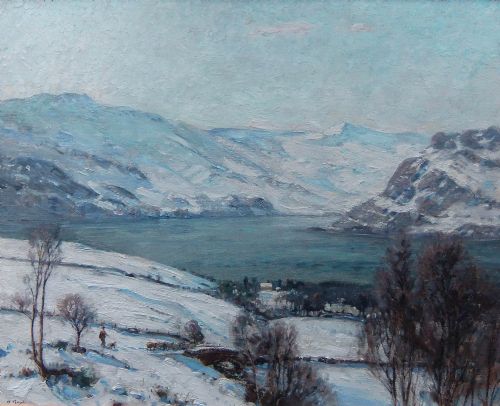
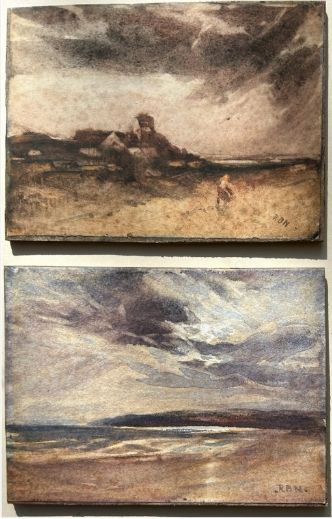
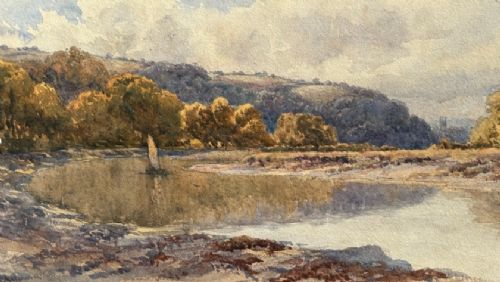
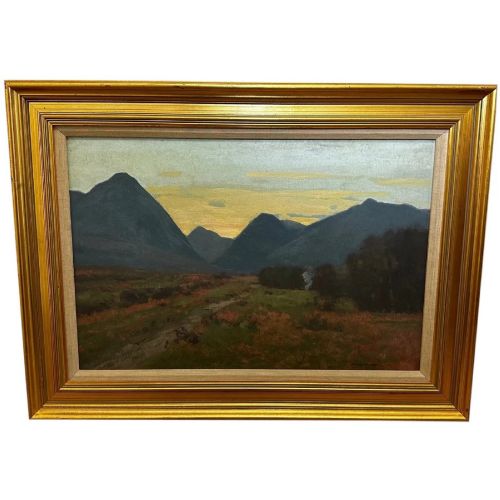
These pieces of scottish landscape fine art capture rugged terrain, tranquil lochs and historic coastlines through the skilled hands of regional painters.
Scottish Landscape Fine Art
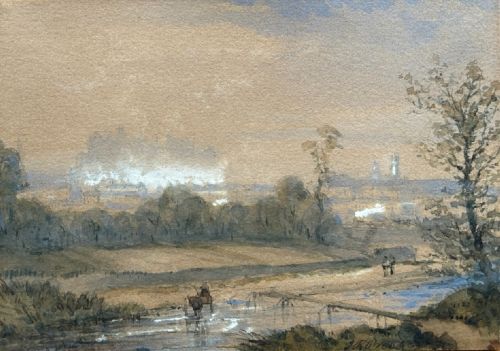
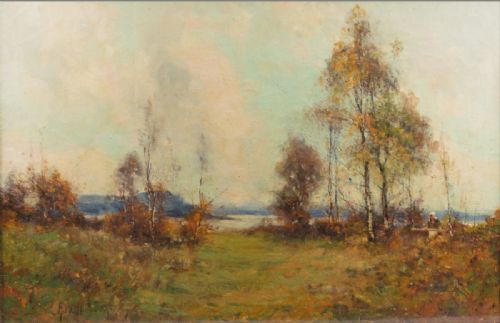
When you examine scottish landscape fine art, you look at historical painted depictions of Scotland's dramatic scenery, ranging from misty Highland mountains to quiet river valleys. These works record rural life, coastal harbours and pastoral scenes through changing artistic movements over successive centuries.
The versions you meet most frequently on this page date from the nineteenth and early twentieth centuries, produced during active periods of regional painting. They arrive primarily as framed canvas works or delicate watercolours on paper, capturing topographical accuracy alongside expressive atmospheric effects.
How They Were Made
Painters utilised oil paint applied to stretched canvas or wooden panels, as well as watercolour pigments worked onto paper substrates. These foundational materials supported rich colour application and fine linework suited to capturing shifting northern light.
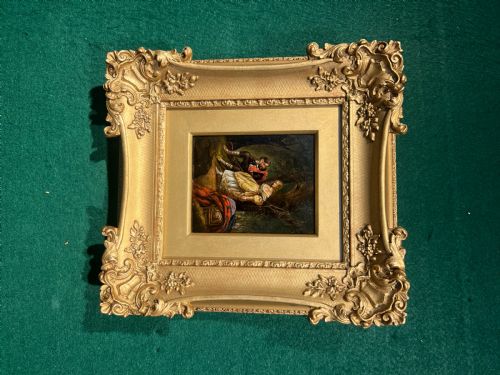
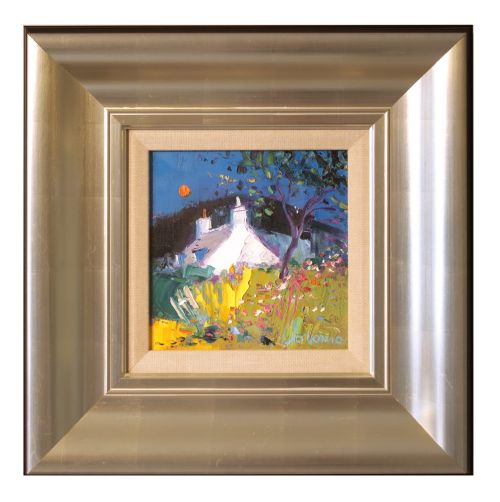
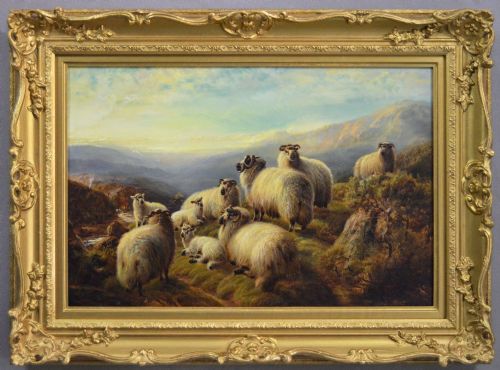
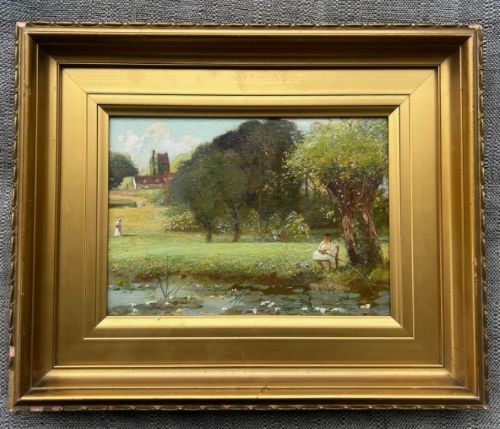
Framing forms an integral part of construction, with period gilt wood and moulded gesso frames enclosing the paintings. These ornate wooden surrounds protect the artwork while complementing the pictorial depth of the painted scene.
Scottish Landscape Fine Art Retail Price Guide 2026
Typical asking prices for scottish landscape fine art among the pieces listed under this phrase on Sellingantiques today, from the lower quarter to the upper quarter. They describe what is for sale here now, not the wider market.
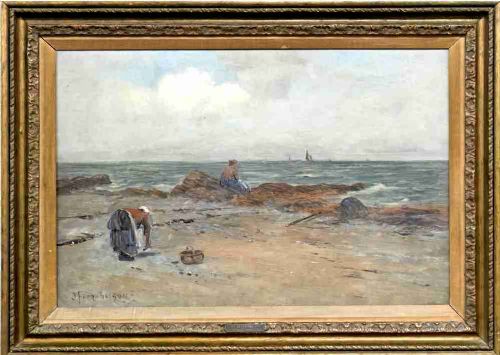
The selection includes regional movements such as Scottish Impressionism and the Scottish School, recording coastal settlements, Highland cattle and tranquil lochs.
What Varies in Quality
Quality depends upon the artist's handling of atmospheric perspective and light, where superior execution creates genuine spatial depth rather than flat scenery. The most accomplished works balance topographical detail with confident, expressive brushwork.
The preservation of the original medium also distinguishes examples, noting the stability of the canvas or paper alongside the integrity of the period frame. Skilled conservation maintains the luminous qualities of the original paint layer without obscuring the artist's hand.
David Law·William Beattie-Brown·John R Prentice·Tom Campbell·George Houston·John Lowrie Morrison·Joseph Farquharson·Robert Watson·Alexander Wellwood Rattray·Archibald Kay·Sir David Murray·John A Houston·Robert Buchan Nisbet·John Douglas Perrett·Tom Seymour·George Melvin Rennie·James Torrington Bell·Alfred de Breanski Snr·Hirst Walker·Owen Bowen·Gustave De Brianski·Emily M Paterson·Gustave De Breanski·Allan Douglass Mainds·George Neil
The Scottish Landscape Fine Art Glossary
- Canvas
- A heavy woven fabric stretched across a wooden frame to serve as a durable support for oil painting. It provides a textured surface that holds thick applications of pigment securely over time.
- Gesso
- A traditional primer mixture consisting of a binder mixed with chalk or plaster, applied to wood panels or frames. It creates a smooth, absorbent base for gilding and painting.
- Watercolour
- A painting method where fine pigment particles are suspended in a water-soluble binder for use on paper. It allows transparent washes of colour that capture luminous atmospheric effects.
- Gilt Wood
- Carved timber treated with a thin layer of gold leaf or metallic powder. It frames artworks with a reflective, ornamental border characteristic of period framing.
- Scottish School
- A collective term for artists working within Scotland who shared regional subjects, academic training and stylistic developments. These painters documented local landscapes and coastal scenes through distinct generational movements.
Scottish Landscape Fine Art: Frequently Asked Questions
What subjects appear in scottish landscape fine art?
These works depict mountainous terrain, coastal harbours, pastoral valleys and historical monuments across Scotland. Artists focused on capturing changing weather patterns, rural working life and expansive natural vistas.
Rural scenes frequently incorporate livestock such as Highland sheep and cattle resting within the landscape. Coastal and river views document maritime activity, fishing harbours and calm inland waterways.
How do I care for antique paintings?
Protect the artwork by keeping it away from direct sunlight, high humidity and sudden temperature fluctuations. Stable indoor environments prevent the canvas or wooden panel from warping and protect delicate watercolours from fading.
Dust framed works gently with a dry, soft cloth while avoiding chemical cleaners on the paint surface or gilt frame. Professional conservators should handle any necessary structural repairs or surface cleaning.
How can I date a framed painting?
Dating relies on examining the stretcher frames, canvas preparation, pigments and the construction style of the surrounding frame. Handwritten inscriptions or artist signatures on the reverse often provide specific chronological markers.
Stylistic elements within the painting, such as clothing styles or architectural details, offer further clues to the period of creation. Comparing the work to documented pieces by the same artist confirms the likely date range.
Why are some works painted on wood panels?
Wood panels provided a rigid, stable support favoured by painters seeking a smooth surface for detailed brushwork. These panels resisted the sagging sometimes associated with loosely woven canvas.
Artists working outdoors often preferred compact wooden boards for portability and durability during travel. This medium supported precise application of oil paint in both small studies and finished compositions.