


Scottish Artwork on Paper
These scottish artwork on paper pieces bring historic landscapes and interiors into homes through delicate watercolours, drawings, and prints.
Scottish Artwork on Paper
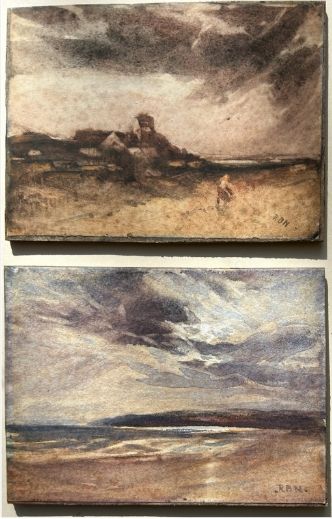
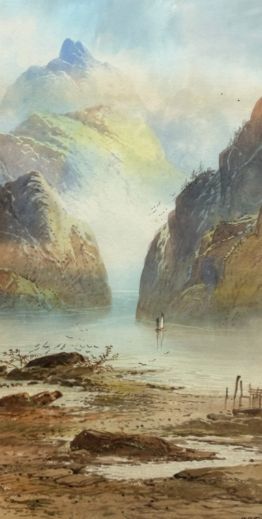
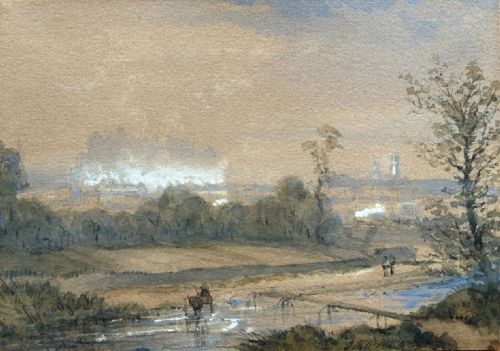
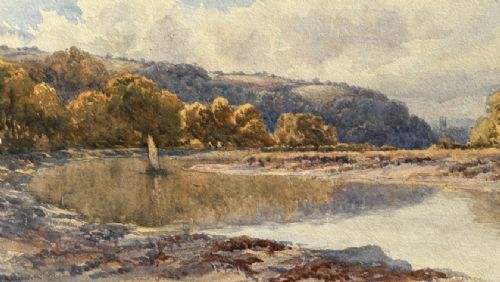
When buyers search for scottish artwork on paper, they encounter original watercolours, etchings, and drawings spanning from the Georgian period through the mid-20th century.
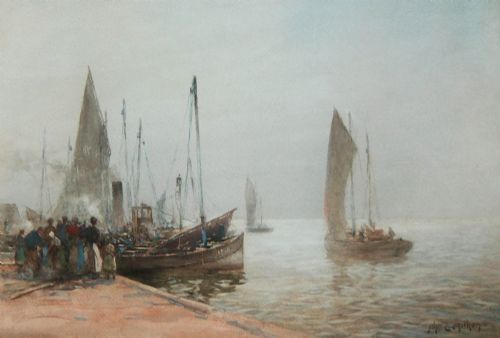
Landscapes form the core of what is available, featuring lochs, coastal scenes, and historic locations such as Edinburgh and the Hebrides.
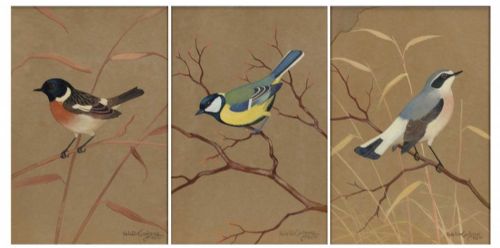
Portraits, interior scenes, and architectural views also appear, alongside specialised pieces like painted silhouettes and ornithological studies.
Materials and technique
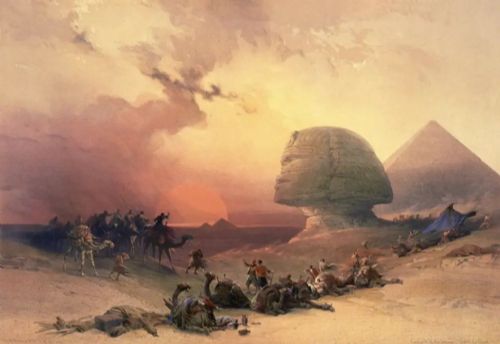
Watercolour pigment applied to paper dominates the selection, often combined with ink or bodycolour to build detail and tone.
Prints and drawings utilise media such as etching, pen and ink, and coloured lithography on various paper substrates.
Works frequently retain their period framing under glass, preserving the delicate paper surfaces from environmental damage.
Birds, soldiers, and writers rub shoulders in these Scottish scenes, proving artists loved variety as much as a misty loch.
Judging quality
Execution and brushwork distinguish the finest works, where confident handling of watercolour creates atmospheric depth in landscapes and interiors.
Condition of the paper surface matters greatly, as fading, foxing, or toning from age alter the original visual balance.
Signatures, artist attribution, and documented provenance add authority, separating signed works by known figures from anonymous studio pieces.
David Law·William Henry Earp·John R Prentice·James E Aitken·David Roberts·Ralston Gudgeon·Herbert Dicksee·John Mitchell·R P Noble·T M Baynes·Stanley Orchart·John Smith·Snaffles·Hirst Walker·Sir William George Gillies·John R Houston·Emily M Paterson·Alfred Graham·James Kinnear·Theobald Chartran·Fred Lawson·John D Walker·Sergeant Major Patrick Gould·George Graham
The Scottish Artwork on Paper Glossary
- Watercolour
- A painting method where fine pigment is suspended in a water-based solution and applied to paper. It allows for translucent washes and delicate tonal shifts.
- Etching
- A printmaking technique where lines are bitten into a metal plate with acid before being inked and pressed onto paper. This creates fine, sharp linear details.
- Lithograph
- A planographic print method based on the repulsion of oil and water on a flat stone or metal plate. Coloured versions required multiple plates for each hue.
- Silhouetting
- A profile portrait cut from dark paper or painted directly onto a pale ground. Eighteenth-century examples often capture sitter profiles with precise detail.
Scottish Artwork on Paper: Frequently Asked Questions
How should I frame and hang antique paper art?
Keep watercolours and drawings away from direct sunlight to prevent the pigments and paper from fading over time.
Utilise acid-free mount boards and conservation glass to protect the delicate media from moisture and ultraviolet light.
How do I identify a 19th-century watercolour?
Examine the paper stock for watermark details and check the pigment application for the characteristic transparency of period watercolours.
Signatures, framing styles, and artist inscriptions often provide clues to the exact decade of creation.
What is the difference between an etching and a watercolour?
Watercolours are unique painted works executed by hand directly onto paper using water-soluble pigments.
Etchings are printed multiples created by transferring inked lines from an etched metal plate onto paper.
Are these works usually signed by the artist?
Many pieces feature artist signatures, monograms, or contemporary inscriptions written directly on the paper surface or mount.
Unsigned works also appear frequently, often identified by style, subject matter, or archival attribution.