


Scottish Artist Landscape Painting
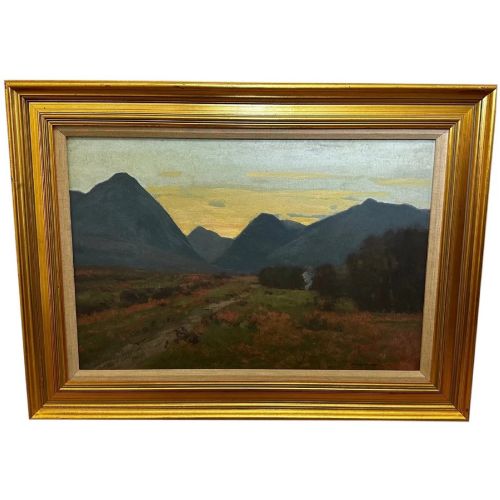
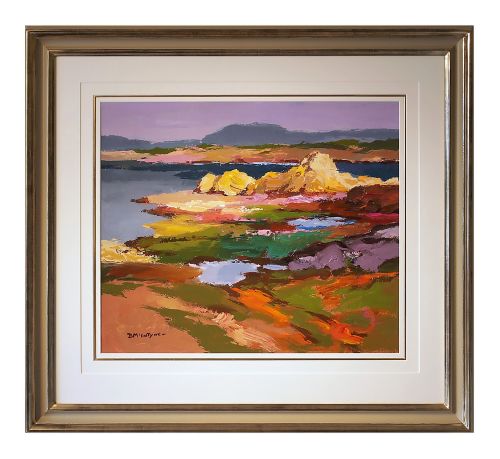
These works capture open vistas and coastlines, offering buyers a genuine piece of regional heritage through a scottish artist landscape painting.
Scottish Artist Landscape Painting
A scottish artist landscape painting brings the natural scenery of lochs, rivers, and hills directly onto canvas, board, or paper. These works capture the changing light and terrain of Scotland and beyond, shaped by regional schools and individual vision.
The selections available here span from Victorian naturalism to mid-century modernism. Buyers encounter oil paintings and watercolour paintings produced across the nineteenth and twentieth centuries, reflecting diverse regional landscapes and coastal scenes.
Makers and painters represented range from nineteenth-century figures to mid-century modernists. Many pieces bear signatures or monograms, linking the physical work securely to a named artist and a specific period.
What Varies in Quality
The distinction between standard works and exceptional examples lies in the confidence of the brushwork and the clarity of light. Superior paintings handle tone and atmosphere with precision, creating a tangible sense of place.
Condition of the painted surface and the original support plays a significant role in overall merit. Works that retain their original pigment intensity and framing show how well the piece has survived over decades or centuries.
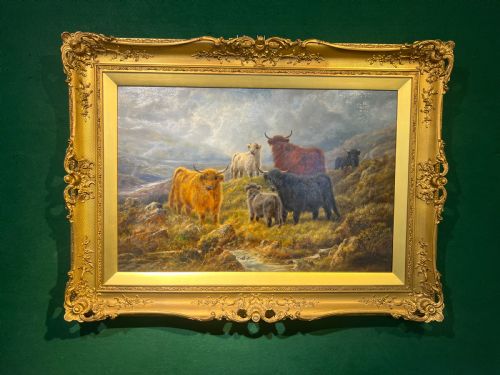
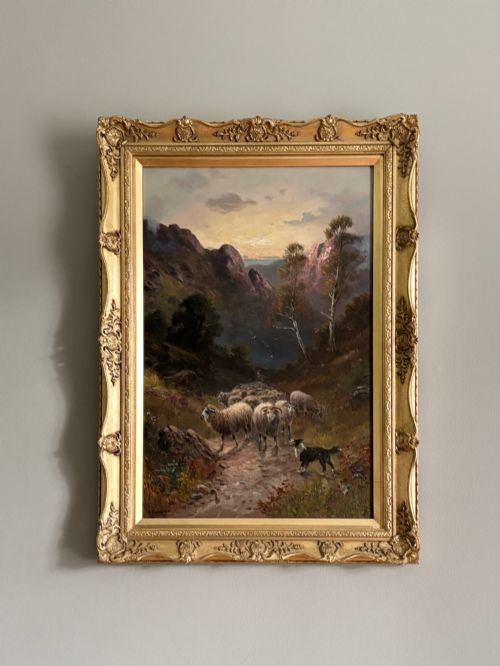
Several sheep and at least one dedicated sheep dog share the landscape with their human creators.
George Houston·Donald McIntyre·Robert Watson·Alexander Jamieson·Sir David Murray·William Littlejohn·Joseph Farquharson·William Miller Frazer·Samuel Bough
The Scottish Artist Landscape Painting Glossary
- Oil on Canvas
- Pigment mixed with drying oil applied to a woven fabric support. This combination allows for rich colour blending and textured impasto work.
- Watercolour
- Pigment suspended in a water-soluble vehicle applied to paper. It creates luminous, transparent effects often used for preparatory sketches or delicate coastal scenes.
- Giltwood
- Wood carved and covered with a thin layer of gold leaf or gilt finish. Frames of this material enhance the visual weight and period character of the artwork.
- Wood Panel
- A flat wooden support used instead of canvas. Painters frequently utilised panels for smaller outdoor studies during the nineteenth and twentieth centuries.
Scottish Artist Landscape Painting: Frequently Asked Questions
What periods do these paintings cover?
The inventory encompasses Victorian works alongside pieces from the early and mid-twentieth century. Dates span from the nineteenth century through to nineteen sixty.
This range allows collectors to trace stylistic shifts from traditional naturalism to mid-century abstraction.
Which materials are most common?
Oil paint on canvas or wood board appears frequently across the selection. Watercolour on paper is also represented in various pastoral and coastal scenes.
Frames generally consist of wood, often with gilt or giltwood finishes designed to complement the artwork.
How can I identify the artist?
Many pieces feature signatures, monograms, or inscriptions left by the painter on the front or reverse. Archival records and exhibition histories further help authenticate specific creators.
Names associated with these works include established Royal Scottish Academicians and contemporary painters.
Where were these scenes typically painted?
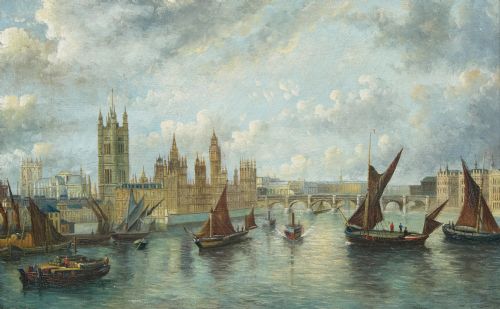
Subjects range from Scottish lochs and coastal waters to French village scenes and English rivers. Artists travelled widely to record rural topography and changing weather conditions.
Specific locations mentioned in titles include the Isle of Arran, Lock Clare, and Leith.