
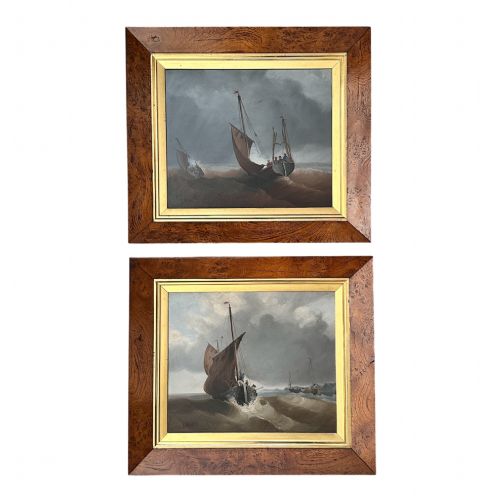
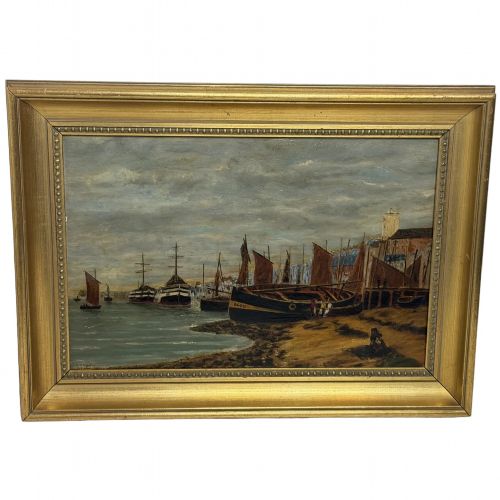
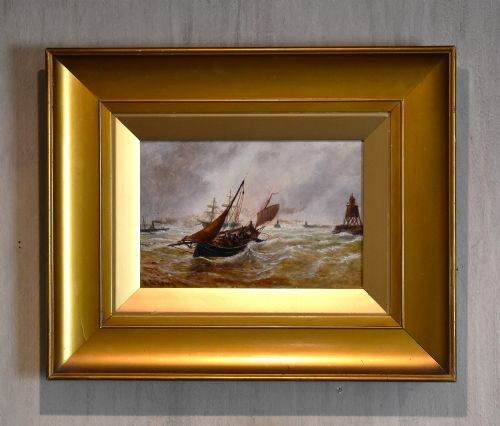


Brown Sail Oil Painting
A brown sail oil painting captures maritime history on canvas, offering buyers a genuine window into nineteenth-century seafaring life and coastal trade.
Brown Sail Oil Painting
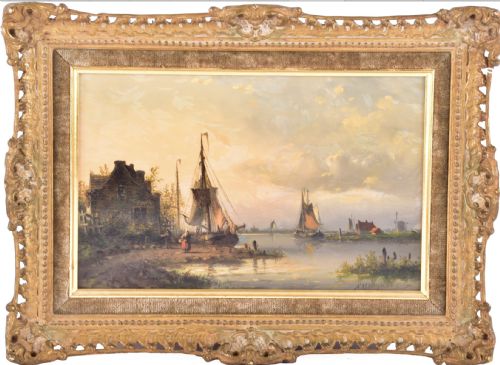
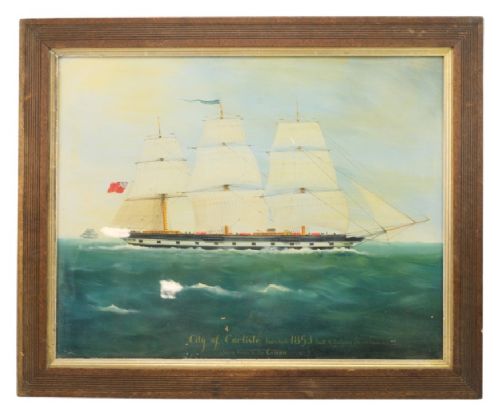
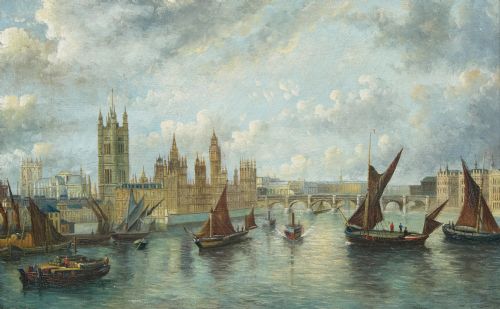
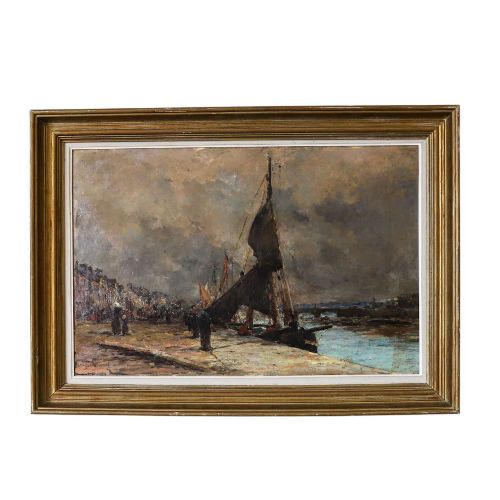
A brown sail oil painting depicts maritime scenes, coastal harbours, and shipping vessels executed during the nineteenth and early twentieth centuries. These works frequently record specific locations such as North Shields Harbour, Sunderland, and various Thames riverscapes.
The most common examples encountered on this page date from the Victorian period through to the early decades of the nineteen-hundreds. They range from intimate depictions of moored boats to larger canvases featuring naval schooners and commercial barques.
Makers and artists working within British Impressionism and marine art traditions created these paintings to document the bustling activity of coastal ports. Buyers often find works attributed to named painters alongside pieces originating from regional English and European schools.
How they were made
Artists painted these works primarily using oil paint applied to canvas, though occasional examples appear on wooden panels or board. The physical support typically consists of woven fabric stretched over a wooden frame, providing a stable foundation for rich pigment layers.
Many of these historical canvases retain their original gilt wood frames, which complement the maritime subject matter. The combination of oil pigments and layered varnish allows the deep browns of the sails and the atmospheric coastal tones to endure over generations.
Listings feature works spanning the eighteenth century through to the mid-twentieth century, executed in oil on canvas or panel.
What varies in quality
The distinction between ordinary and superior works rests upon the artist's ability to render coastal atmosphere and maritime movement convincingly. Finer examples display confident brushwork in the depiction of water, sky, and the characteristic russet tones of canvas sails.
Provenance and attribution elevate certain pieces, particularly when signed by recognised marine painters or associated with documented vessels and specific ports. The integrity of the original canvas and the preservation of the period gilt frame also influence the overall standing of an artwork.
John Moore of Ipswich·Bernard Benedict Hemy·Edward Henry Eugene Fletcher·Owen Bowen·Paul Jean Clays·Bertram Priestman·Maurice Sijs
The Brown Sail Oil Painting Glossary
- Oil on Canvas
- A traditional painting technique where oil-based pigments are applied to a stretched cloth support. This method allows for subtle blending of maritime light and deep tonal variations.
- Marine Art
- A genre of painting focused primarily on ships, shipping, sea battles, and coastal views. It forms the core category for works featuring vessels at sea.
- Barque
- A sailing vessel with three or more masts, where the sternmost mast is rigged fore-and-aft and the others are square-rigged. These large ships frequently appear in nineteenth-century port scenes.
- Gilt Wood
- Wood that has been treated with a thin layer of gold leaf or metallic gilding. Frames finished in this manner frequently accompany period oil paintings.
- Post-Impressionism
- An art movement extending beyond Impressionism that places emphasis on expressive forms and personal interpretation. Works from this style occasionally capture southern landscapes and ports.
Brown Sail Oil Painting: Frequently Asked Questions
What is a brown sail oil painting?
A brown sail oil painting is a historical artwork depicting maritime scenes, riverscapes, or coastal shipping vessels. These pieces primarily date from the nineteenth and early twentieth centuries.
They record working craft such as Thames barges and fishing boats under traditional tanned canvas sails. Such works serve as both historical documents of maritime trade and decorative pieces for the home.
How were these marine paintings created?
Artists used traditional oil paints applied to woven canvas supports stretched over wooden frames. The medium permitted subtle blending to capture shifting coastal light and sea spray.
Many surviving works remain housed within their original decorative gilt wood frames. The combination of durable oil pigments and sturdy canvas has allowed these coastal scenes to survive for over a century.
Where do these coastal scenes originate?
The works originate from British and European artistic traditions spanning the Victorian era and the early twentieth century. Many depict specific British waterways, including the River Tyne, Sunderland, and the Thames.
Others record continental locations such as French Riviera fishing ports and Belgian coastal harbours. This geographical variety reflects the active trade and travel routes of the period.
How should I care for an antique oil painting?
Antique oil paintings require stable environmental conditions away from direct sunlight and excessive humidity. Maintaining a consistent room temperature prevents the canvas and wooden frame from warping.
Cleaning should be undertaken only by professional conservators to avoid damaging the delicate layers of historical pigment and varnish. Regular dusting with a soft, dry brush keeps the surface clear of debris.