

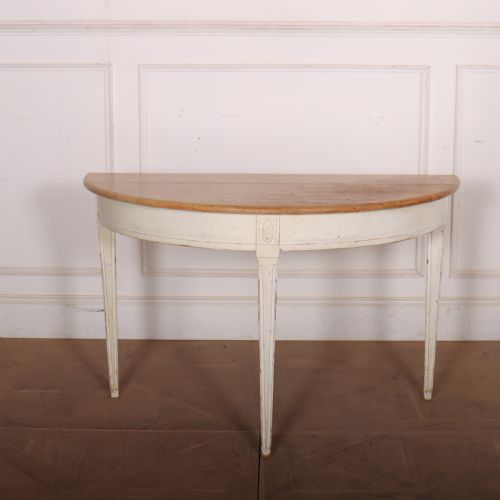


Scandinavian Side Table
A scandinavian side table brings northern light and clean proportions into a room, offering practical surface space with distinct regional character.
Scandinavian Side Table
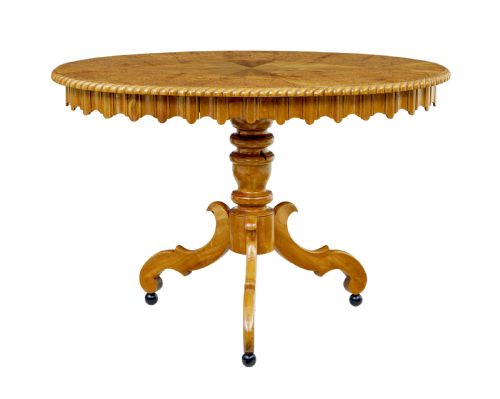
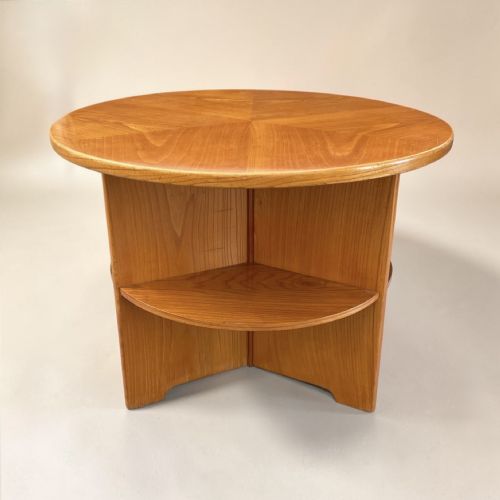
When searching for a scandinavian side table, buyers encounter a diverse range of forms spanning occasional tables, lamp tables, and console tables. These pieces originate predominantly from the nineteenth century, alongside examples from the Edwardian era, nineteen-thirty, and nineteen-forty.
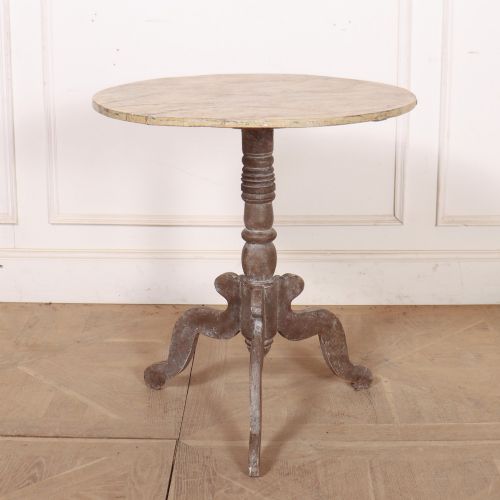
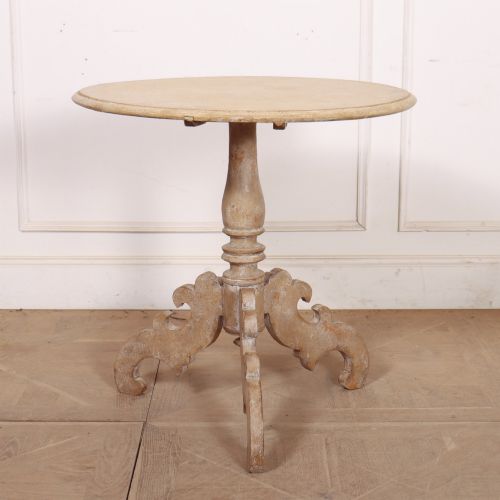
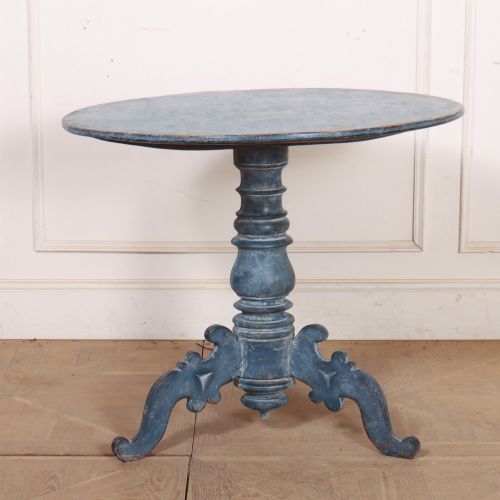
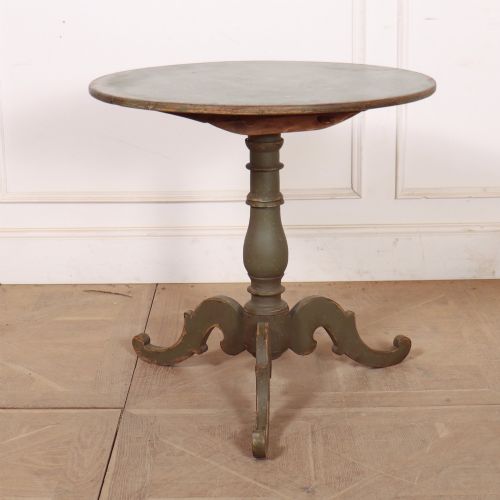
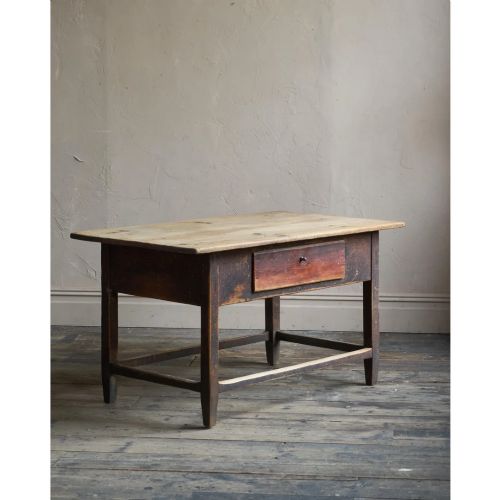
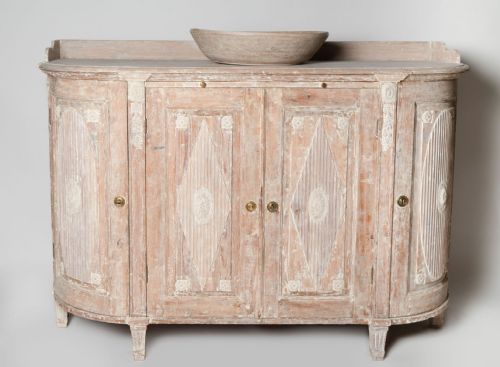
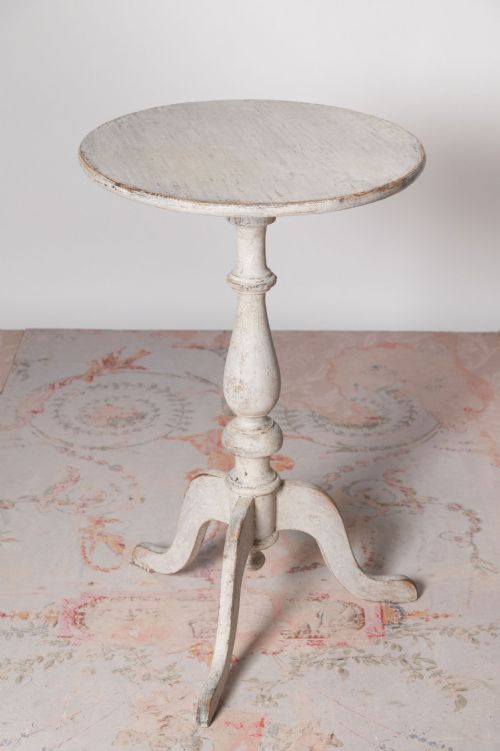
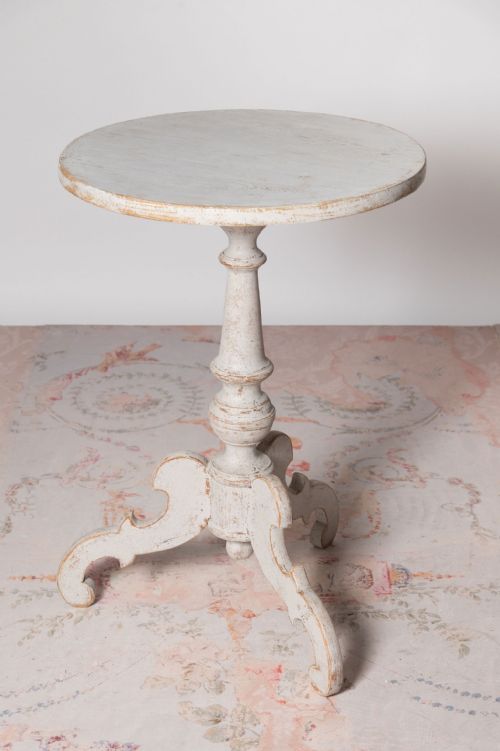
Forms vary from simple tripods and demi-lune consoles to drum tables and tea tables. Many pieces display specific functional adaptations, including box stretchers and fitted cupboards.
How they were made
Joiners and cabinet makers utilised native timbers including pine, birch, burr birch, elm, and burr walnut. These woods were often left in their natural state to display the figure of the grain, or treated with traditional paint finishes such as Falu red.
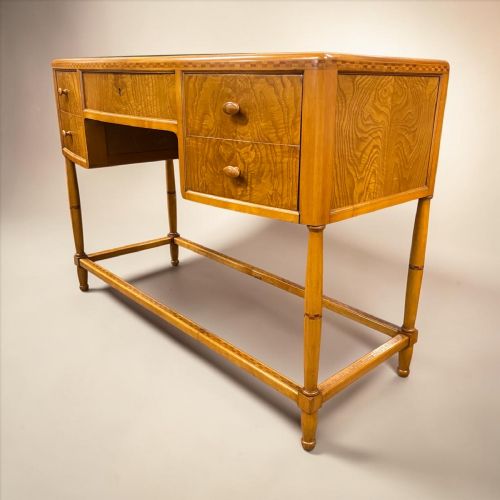
Decorative detailing relies upon contrasting veneers, ebonised wood accents, inlaid motifs, and brass fittings. Painted surfaces range from scraped pine showing historical layers to clean, uniform coats applied to console and lamp tables.
One nineteenth-century birch sewing table comes complete with its original contents, preserving small sewing tools left behind by past owners.
What varies in quality
The standard of a piece rests upon the choice of timber and the handling of surface finishes. Burr birch and burr elm veneers require exceptional skill to select and apply symmetrically across occasional and tea table tops.
Original paint surfaces hold distinct merit compared to later repainting, particularly when layers survive intact on pine furniture. The subtlety of carved details in Rococo Revival examples or the crisp geometry of Art Deco pieces dictates the overall refinement of the work.
The Scandinavian Side Table Glossary
- Demi-lune
- A half-moon shape commonly found in console tables designed to sit flush against a wall.
- Falu paint
- A traditional red paint derived from copper mine waste, widely used on Scandinavian country furniture.
- Box stretcher
- An interlocking frame connecting the lower legs of a table to provide structural stability.
- Drum table
- A circular table with a deep rim, often featuring drawers around the perimeter.
- Tripod table
- A small occasional table supported by a central pillar on three feet.
Scandinavian Side Table: Frequently Asked Questions
What defines a scandinavian side table?
These tables are characterised by pale northern timbers like birch and pine, clean lines, and painted surfaces. They encompass diverse forms from nineteenth-century rural workshops and urban salons alike.
They function as versatile surfaces for lamps, display, or daily use in modern and traditional interiors.
How do I identify a painted pine table?
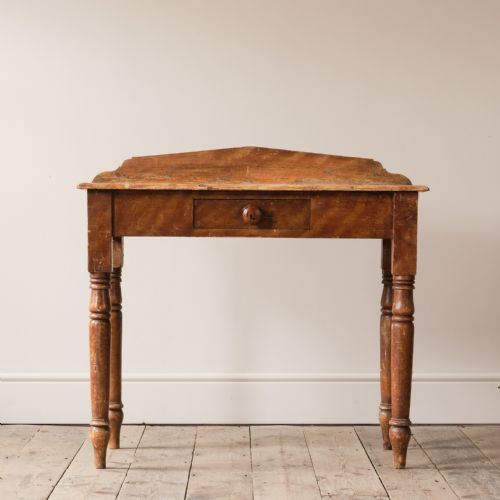
Look for pine construction finished with historic paint layers, which may include scraped finishes or traditional pigments. These pieces often originate from nineteenth-century rural environments.
Original paint shows natural wear and patination accumulated through generations of domestic service.
What is the difference between a console and a side table?
Console tables are typically designed to stand against a wall, frequently featuring semi-circular or demi-lune shapes. Side tables are generally freestanding and movable for placement beside seating.
Both forms appear extensively across nineteenth-century Scandinavian design traditions.
Are these tables suitable for modern rooms?
The understated forms and pale wood tones of nineteenth-century birch and painted pine blend easily into contemporary spaces. Pieces ranging from Art Deco coffee tables to Gustavian lamp tables offer strong architectural silhouettes.
Their restrained decoration prevents them from overwhelming surrounding furniture.