



Scandinavian Painted Cupboard
A Scandinavian painted cupboard brings bright rural colour and solid pine utility into a room, offering generous storage wrapped in historic folk decoration.
Scandinavian Painted Cupboard
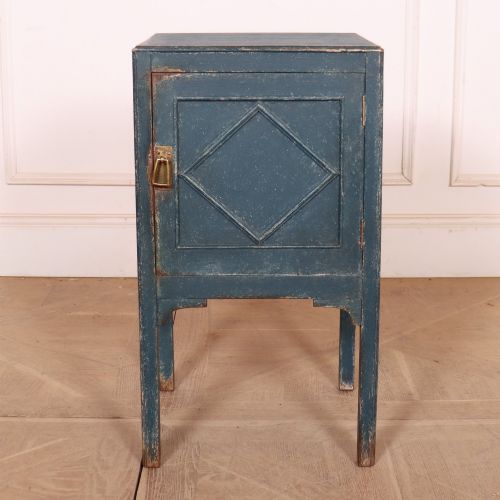
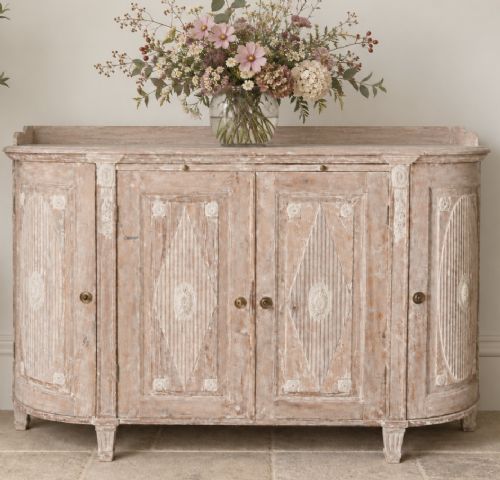
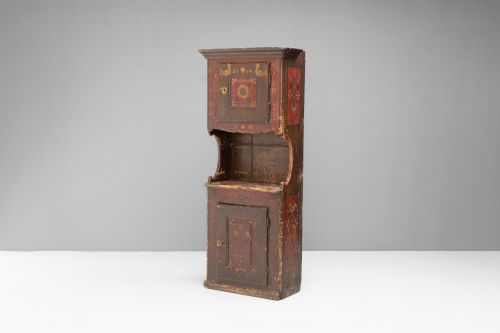
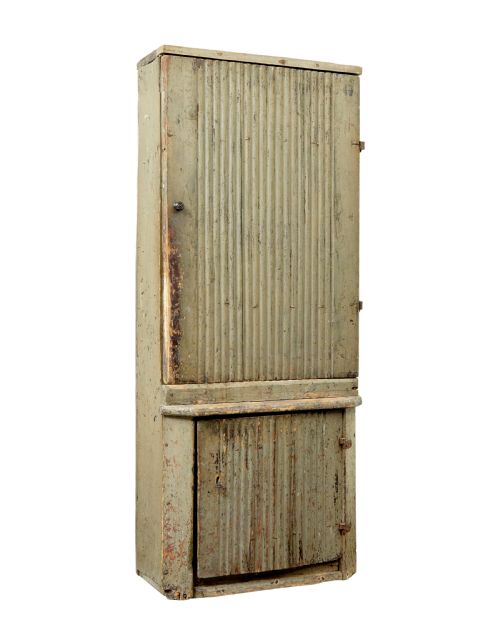
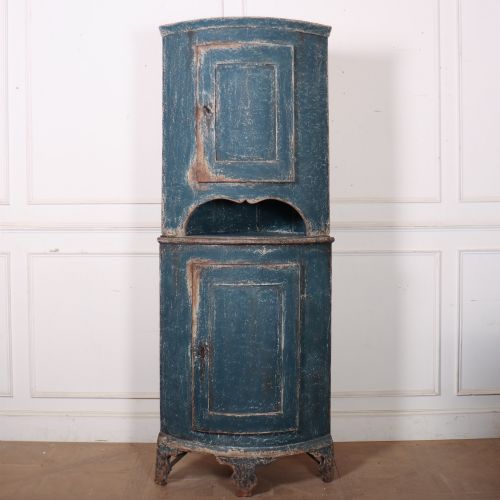
A Scandinavian painted cupboard spans functional storage forms from tall linen wardrobes and corner cabinets to smaller wall-hung units and bedside tables. These pieces originate primarily from Sweden, Denmark, Finland and the wider Baltic region, reflecting domestic life across the eighteenth, nineteenth and early twentieth centuries.
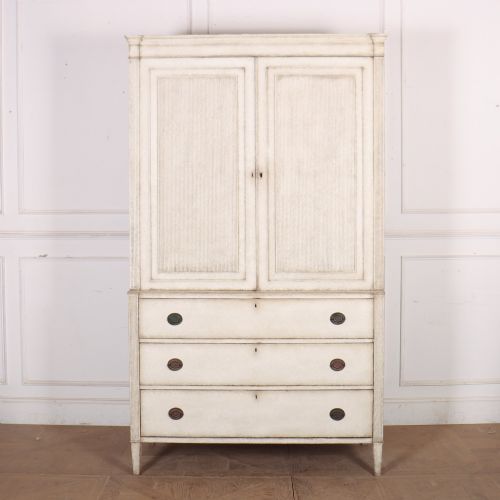
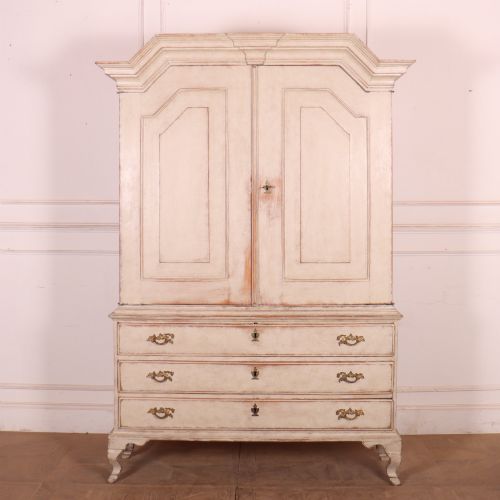
The nineteenth century dominates the selection, though pieces stretch back into the eighteenth century and forward to nineteen-twenty. Common configurations include two-door linen cupboards, rustic kitchen cabinets, sideboards and cupboards raised on stands.
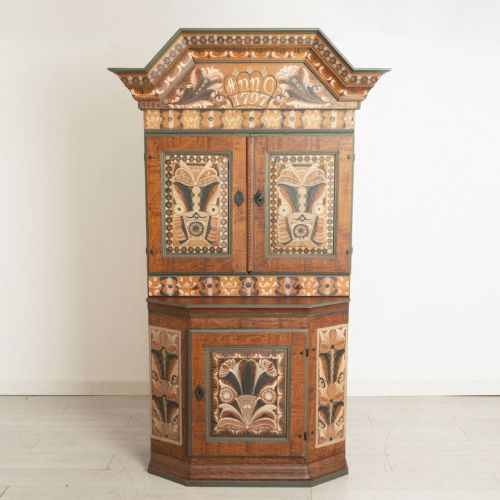
Regional aesthetics divide broadly between the restrained elegance of Gustavian style and the more expressive character of Scandinavian country and folk art traditions. Buyers encounter everything from grand architectural bonnet top cabinets down to compact miniature dressers.
How they were made
Makers built these cabinets using native softwood, predominantly pine, joined with traditional carpentry methods and fitted with iron or brass hardware. Timber frames accommodated panelled doors, carved details and shelving suited to domestic storage.
Surface finish defines the group, utilising applied paint over pine or painted softwood. Workshops employed traditional techniques including hand painting, ragwork and scraped paint effects to achieve layered patination and folk decoration.
Scandinavian Painted Cupboard Retail Price Guide 2026
Typical asking prices for scandinavian painted cupboard among the pieces listed under this phrase on Sellingantiques today, from the lower quarter to the upper quarter. They describe what is for sale here now, not the wider market.
The listings feature pine and painted softwood structures spanning the Georgian, Victorian and early twentieth-century periods.
What varies in quality
The character and preservation of the original surface paint dictate much of the distinction across these pieces. Examples retaining untouched historic layers, scraped decoration or authentic folk art motifs carry stronger visual presence than later repainted surfaces.
Proportion and joinery execution separate simple vernacular pieces from finer workshops. Well-balanced cornices, crisply turned details on bonnet tops or stands, and harmonious scaling in corner units and linen cupboards elevate the piece.
The Scandinavian Painted Cupboard Glossary
- Gustavian
- The Swedish neoclassical style spanning the late eighteenth and nineteenth centuries, characterised by restrained symmetry and lighter proportions. It draws inspiration from French court taste interpreted through a northern sensibility.
- Ragwork
- A decorative paint technique where rags or cloths are used to manipulate wet glaze or paint on a surface. This creates textured, mottled patterns popular in traditional Scandinavian furniture decoration.
- Bonnet top
- An arched or hooded upper cornice construction found on tall cabinets and cupboards. The curved profile adds height and architectural presence to the piece.
- Pine
- A softwood commonly utilised throughout Scandinavian cabinetmaking for its availability and workability. It forms the structural carcass for painted finishes.
- Folk art
- Traditional decorative work created within regional communities, independent of academic or academic fine art conventions. It encompasses hand-painted motifs and vernacular design.
Scandinavian Painted Cupboard: Frequently Asked Questions
How do I style a painted cupboard at home?
These cabinets suit kitchens, hallways and living spaces where their painted surfaces can act as a focal point. Use tall linen cupboards for everyday storage while smaller wall cabinets display ceramics or books.
Allow the historic paint finish to stand out against neutral walls. The natural pine and soft colours harmonise easily with both traditional interiors and modern minimalist rooms.
Are these cupboards practical for daily use?
Most pieces offer deep shelving or hanging space behind sturdy doors, making them well-suited for modern storage needs. Linen cupboards and kitchen cabinets provide substantial capacity for household items.
Interior layouts vary by age and regional origin, so check dimensions and shelf configurations to match specific storage requirements. The solid pine construction ensures sturdy everyday durability.
How do I tell an eighteenth century piece from a nineteenth century one?
Eighteenth century examples often display deeper proportions, heavier hardware and earlier iterations of Gustavian or folk art decoration. Construction methods tend to feature hand-wrought iron fixings and thicker timber panels.
Nineteenth century pieces introduce greater variety, including narrow cabinets, sideboards and standardised vernacular forms. Paint techniques also evolve, incorporating mid-century styles and regional ragwork variations.