
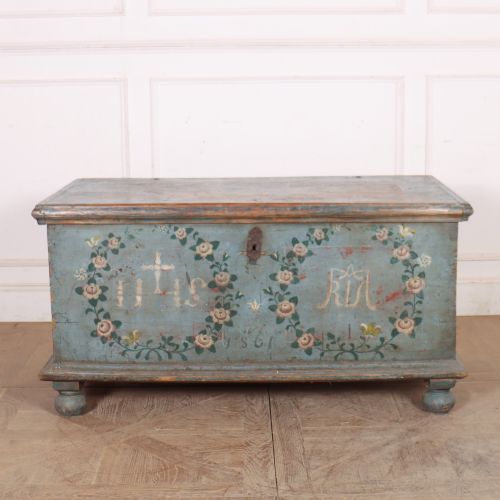


Scandinavian Folk Art Chest
These pieces of scandinavian folk art chest bring rugged regional character and traditional painted surfaces into modern interiors.
Scandinavian Folk Art Chest
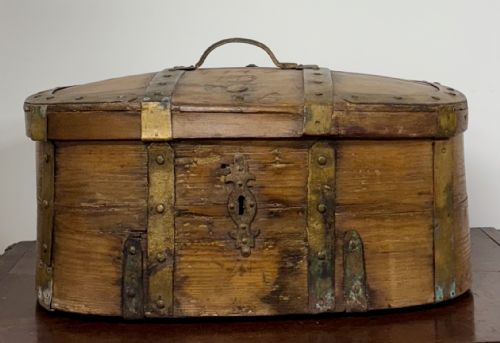
When you search for a scandinavian folk art chest, you encounter sturdy utilitarian containers built from native timber and finished with distinct regional decoration. These pieces originate primarily from the eighteenth and nineteenth centuries, taking forms such as dome top coffers, marriage chests, and smaller strong boxes.
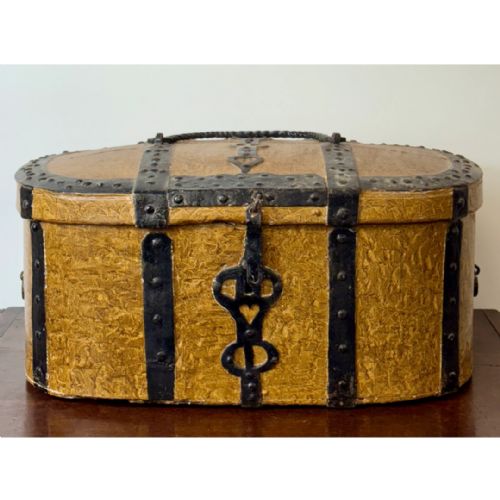
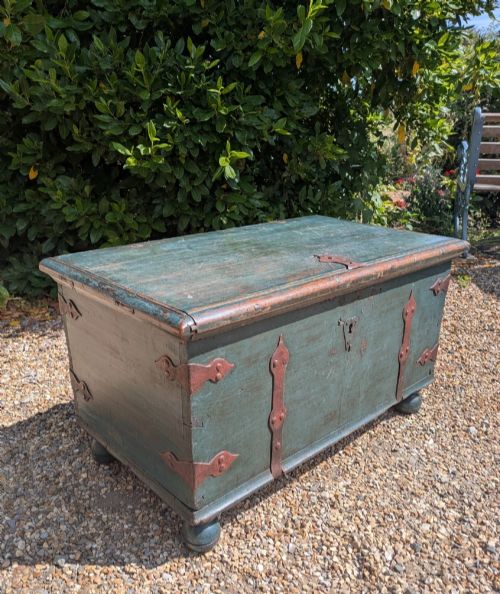
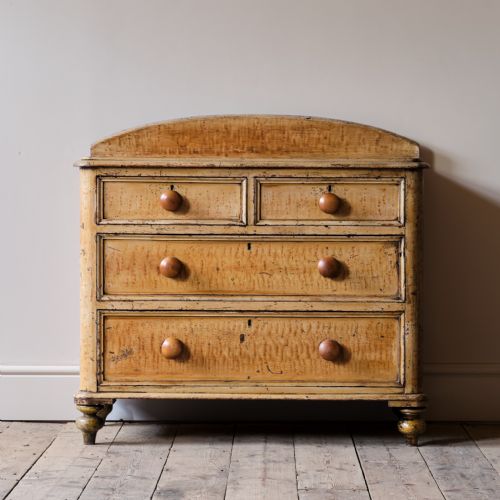
The version you are most likely to meet on this page is the nineteenth-century pine box or trunk, often retaining its original painted surface or hand-forged iron strapwork. Alongside these storage chests, the selection includes related forms like cupboards, chests of drawers, and smaller caskets.
Originating largely from Swedish workshops and broader Scandinavian country traditions, these items served practical household storage needs. Their survival depends on robust joinery and the enduring appeal of traditional folk motifs.
Materials and construction
Makers relied primarily on native pine and occasionally oak or general wood, shaping boards into solid carcases designed to withstand heavy domestic use. Surfaces were frequently coated in pigment and paint, ranging from flat green finishes to simulated birch effects and elaborate hand-painted decoration.
Structural integrity was reinforced with hand-forged iron or wrought iron strapwork, hinges, and corner brackets. Brass fixtures occasionally appear, adding contrast to the dark metalwork and painted timber.
Some chests secretly double as labyrinth boards, painted with intricate puzzles to baffle clumsy intruders.
Factors that distinguish quality
The caliber of a piece rests heavily on the survival and artistry of its original paint surface and decorative pigment. Intact polychrome decoration, regional motifs, or documented marriage details elevate an everyday container into a notable example of folk craftsmanship.
Construction details also dictate distinction, particularly the quality of hand-forged iron strapwork and the tightness of the original joinery. Pieces that retain their specific regional character without heavy restoration command greater attention from collectors.
Gemla Fabrikers
The Scandinavian Folk Art Chest Glossary
- Coffer
- A heavy wooden box or chest traditionally used for storing valuables and personal belongings. These often feature robust construction and secure locking mechanisms.
- Marriage chest
- A specialised storage piece commissioned or gifted for a wedding, frequently inscribed with dates and initials. They often display elaborate painted folk motifs.
- Strong box
- A compact, heavily reinforced storage container designed to secure money or documents. They typically incorporate substantial iron strapwork and locks.
- Dome top
- A curved lid design utilised on trunks and coffers to shed water and provide additional interior clearance. This profile is characteristic of many traditional Scandinavian storage pieces.
Scandinavian Folk Art Chest: Frequently Asked Questions
What is a marriage chest?
A marriage chest is a traditional storage piece commissioned to celebrate a wedding, often featuring painted initials and dates alongside folk art motifs.
Families used these sturdy pine containers to hold household linens and dowry items, placing them in prominent positions within the home.
How are these chests dated?
Dating relies on construction methods, timber choice, and stylistic cues inherent to Scandinavian country furniture from the eighteenth and nineteenth centuries.
Painted dates and maker inscriptions occasionally provide precise chronological markers directly on the wood or pigment.
Where were these pieces used?
These items served daily domestic functions within rural Scandinavian homes, functioning as versatile storage for blankets, clothing, and valuables.
Their robust construction allowed them to withstand heavy use and transportation across regional farming communities.
How do I care for original paint?
Preserving original painted surfaces requires maintaining stable indoor humidity and avoiding harsh chemical cleaners or direct sunlight.
Gentle dusting with a dry cloth keeps the pigment secure without disturbing the historic finish.