




Scandinavian Bench Seat
A scandinavian bench seat brings restrained northern utility and pale woods into a room, offering practical seating built to endure.
Scandinavian Bench Seat
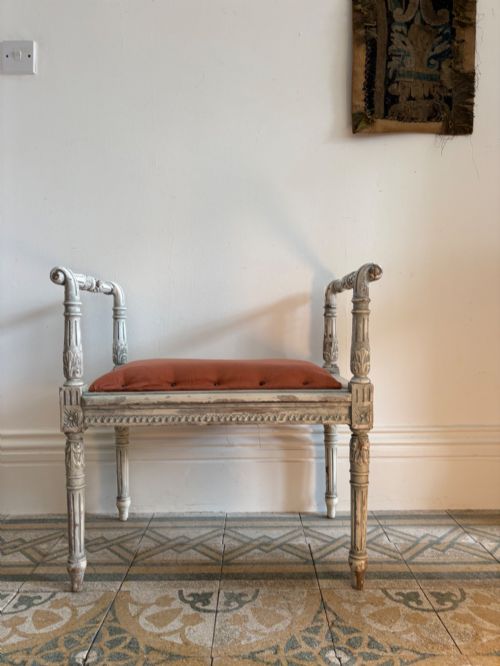
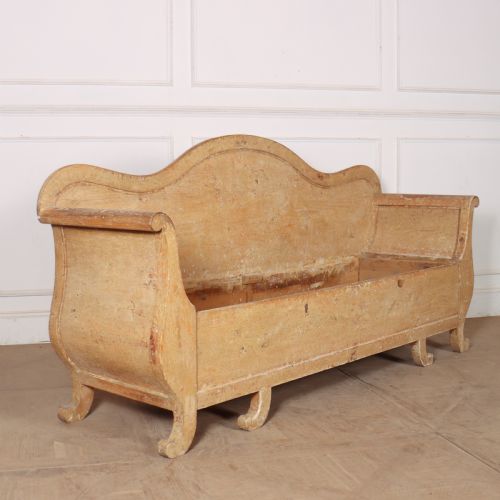
When you search for a scandinavian bench seat, you encounter seating forms ranging from rustic pine settles to refined neoclassical stools and sofas. These pieces originate largely from Sweden across the eighteenth, nineteenth, and early twentieth centuries, reflecting diverse regional workshops and domestic traditions. The versions you are most likely to meet on this page include painted pine benches, satin birch Biedermeier stools, and early twentieth century birch bedroom seating.
The styles span Scandinavian Country, Gustavian, Gustavian Neoclassical, Swedish Biedermeier, Swedish Empire, and Swedish Grace. Forms encompass simple benches, settles with integrated storage, long bedroom stools, and upholstered sofas and settees. Each piece demonstrates the distinct northern design sensibility that prioritises functional longevity alongside proportion.
Materials and construction
Makers utilised native softwoods and hardwoods, predominantly pine, birch, beechwood, and satin birch, shaping structural elements to withstand everyday domestic use. Pine surfaces frequently received layers of paint, often in white or muted tones, while finer cabinet woods like satin birch were polished to reveal natural grain patterns. Upholstered variants incorporated textiles such as silk, satin, and linen for seat cushions.
Joinery techniques relied on traditional framing and pegging methods appropriate for utilitarian furniture and polished seating alike. Settle benches integrated enclosed storage compartments beneath the seat, requiring sturdy panel construction and reliable hinges. Painted finishes were applied over preparatory priming layers, creating the characteristic surfaces seen on country and neoclassical examples.
Design styles represented include Gustavian Neoclassical, Swedish Biedermeier, Swedish Empire, Swedish Grace, and Scandinavian Country.
Assessing quality and proportion
The distinction between standard domestic output and finer studio work lies in the handling of timber and the precision of carved or turned details. Satin birch Biedermeier pieces and Gustavian Neoclassical stools display crisp proportions and refined surface preparation that elevate them above rustic country pine benches. Original paint surfaces, where retained without heavy modern intervention, command greater interest among collectors of northern European antiques.
Structural integrity depends on the original soundness of the timber and the retention of primary components such as panelled backs and storage bases. Pieces that retain their early textiles or authentic painted layers demonstrate the historical continuity valued in period furnishings. Variations in scale, from small children's benches to large pair seating, reflect the specific domestic contexts for which makers originally built them.
The Scandinavian Bench Seat Glossary
- Settle
- A wooden bench with a high back, solid arms, and often a storage compartment beneath the seat. This form provided draught protection in traditional northern European interiors.
- Gustavian
- The Swedish interpretation of neoclassical style, spanning the late eighteenth and early nineteenth centuries. It is characterised by restrained carved ornamentation, fluted legs, and light painted finishes.
- Biedermeier
- A Central European and Scandinavian design movement of the nineteenth century prioritising comfort, utility, and clean lines over excessive ornamentation. Satin birch and birch woods frequently feature in these pieces.
- Pine
- A softwood utilised extensively across Scandinavian country furniture for its accessibility and resilience. It serves as the primary base for painted benches and settles.
- Satin Birch
- A prized wood exhibiting a shimmering, light-reflecting grain pattern. Makers utilised it in nineteenth-century neoclassical and Biedermeier seating to showcase natural timber figured surfaces.
Scandinavian Bench Seat: Frequently Asked Questions
What is a scandinavian bench seat?
A scandinavian bench seat is a piece of historical northern European seating, typically originating from Sweden and spanning the eighteenth to early twentieth centuries. These pieces include painted pine settles, birch bedroom stools, and neoclassical sofas.
They reflect regional craftsmanship, utilising native woods and traditional finishes suited to domestic life.
How were settle benches used?
Settle benches served as multi-purpose seating near hearths in traditional homes, offering enclosed storage beneath the seat. Their high backs provided shelter from cold draughts in uninsulated rooms.
Over time, their practical form made them staple items in farmhouse kitchens and hallways alike.
How do I identify Gustavian style?
Gustavian pieces display neoclassical restraint, featuring pale painted surfaces, fluted columns, and symmetrical proportions inspired by French models. This style emerged in late eighteenth-century Sweden.
Stools and benches from this period often incorporate silk or linen upholstery and subtle carved detailing.
Are these benches painted?
Many Scandinavian benches feature historic painted surfaces, often in white or soft neutral tones applied over pine. These finishes protected the softwood and brightened darker northern interiors.
Original paint layers show natural wear that develops over centuries of use.
How do I care for antique pine?
Antique pine requires stable indoor humidity levels to prevent timber movement or splitting in dry seasons. Cleaning should involve dry dusting or wiping with a slightly damp cloth without harsh chemical solvents.
Keeping painted or waxed surfaces away from direct sunlight preserves the historical finish.