




Scalloped Mahogany Tray
These scalloped mahogany tray pieces are practical serving and display items crafted from rich timbers, offering timeless elegance for any interior.
Scalloped Mahogany Tray
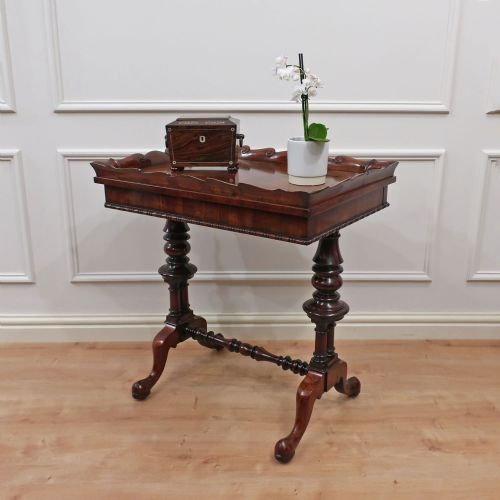
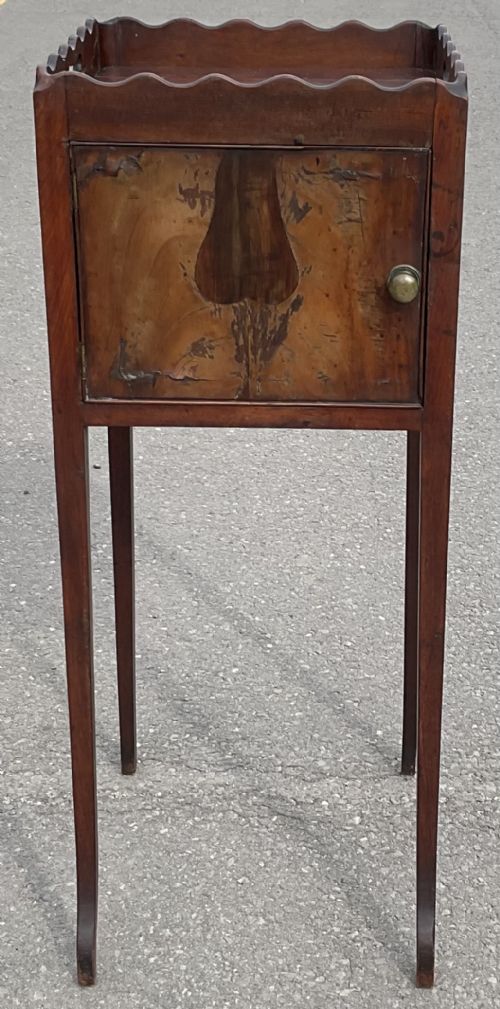
When you search for a scalloped mahogany tray, you are looking at functional serving pieces and occasional furnishings spanning Georgian, Victorian, and Edwardian periods. The selection includes serving trays, tray tables, and occasional tables featuring distinct shaped edges.
You are most likely to meet serving trays with scalloped galleries alongside occasional tables and side pieces that incorporate tray tops. Origins range from the mid-18th century through the 19th century and into the Edwardian era.
How they were made
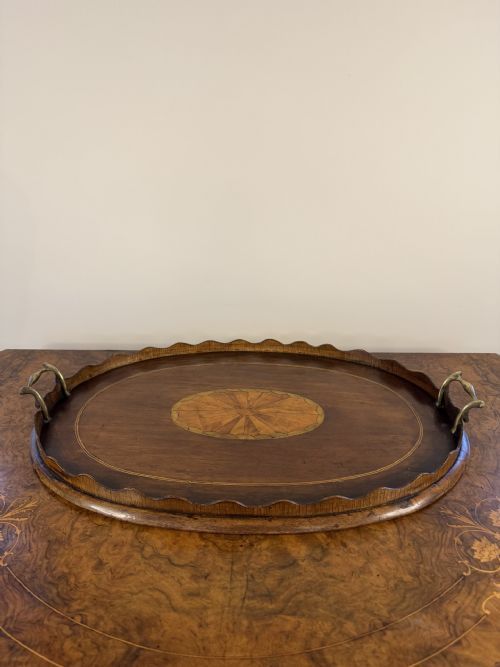
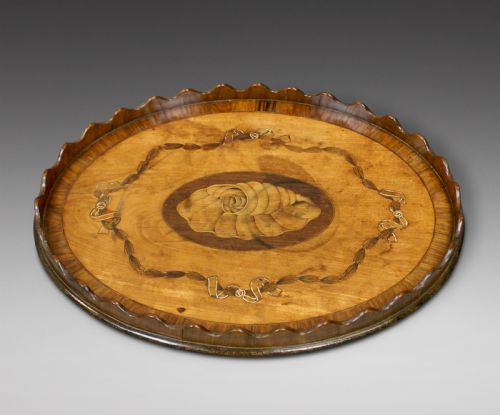
Pieces are constructed primarily from mahogany, often enhanced with contrasting satinwood and boxwood. Artisans utilised intricate wood inlay and marquetry techniques to decorate the surfaces.
Structural elements frequently incorporate brass fittings and shaped galleries to create the characteristic scalloped profile. The combination of dense timber and detailed inlay defines the construction methods seen across the periods.
One curious miniature tray proves that 18th-century craftsmen enjoyed making delightful small-scale versions just to show off.
What varies in quality
The sophistication of the wood inlay and the crispness of the scalloped shaping distinguish finer examples from simpler production. Superior pieces display precise marquetry work and well-figured mahogany grain.
Proportion and execution of the gallery edges also separate standard items from top-tier specimens. Attention to detail in the handles and structural joinery marks the difference in grade.
Gillows
The Scalloped Mahogany Tray Glossary
- Mahogany
- A durable, reddish-brown tropical hardwood prized for its rich grain and stability in furniture making. It forms the primary structural material for these items.
- Gallery
- A raised decorative border surrounding the edge of a tray or table top to prevent items from sliding off. Scalloped versions feature a curved, wave-like perimeter.
- Marquetry
- Decorative veneer work created by fitting together small pieces of different coloured woods to form geometric or pictorial designs. It appears frequently on inlaid trays.
- Satinwood
- A pale, lustrous timber used traditionally for contrasting stringing and inlay work against darker mahogany surfaces. It highlights borders and central motifs.
- Butler's tray
- A removable tray designed to sit upon a folding stand, used historically for serving and clearing. Georgian examples are particularly notable.
Scalloped Mahogany Tray: Frequently Asked Questions
What is a scalloped mahogany tray used for?
These pieces serve primarily as functional serving vessels for tea, silver, or fruit, as well as decorative display surfaces on tables. Their raised edges keep items secure while moving them between rooms.
Over time, many of these items have transitioned from utilitarian dining room accessories into decorative antique furnishings used on stands or side tables.
How do I care for a mahogany tray?
Keep wooden items away from direct sunlight and sudden temperature changes to prevent the timber from drying out or warping. Dust gently with a dry, soft cloth and avoid chemical polishes.
For pieces with intricate marquetry and inlay, ensure moisture is wiped away immediately to protect the delicate boxwood and satinwood details.
How can I tell a Georgian tray from a Victorian one?
Georgian pieces, including those from the 18th century, generally feature restrained classical proportions and understated timber selection. Chippendale and George III examples often display exceptional carved detail.
Victorian and Edwardian versions tend to incorporate more elaborate satinwood inlay, marquetry patterns, and varied gallery shapes influenced by later revival styles.
What does a scalloped gallery mean?
A scalloped gallery refers to the decorative raised edge shaped into a series of curves resembling a scallop shell. This profile adds visual movement and sophistication to the flat surface.
Craftsmen cut or carved these borders directly from the solid mahogany or formed them as raised wooden rims around the tray perimeter.