





George III Tray
A george iii tray brings straightforward utility and rich timber into a room, serving as both a functional server and a disciplined piece of furniture.
George III Tray
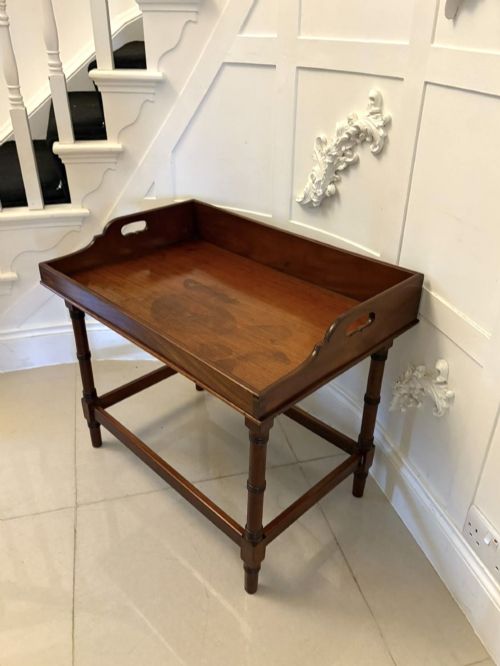
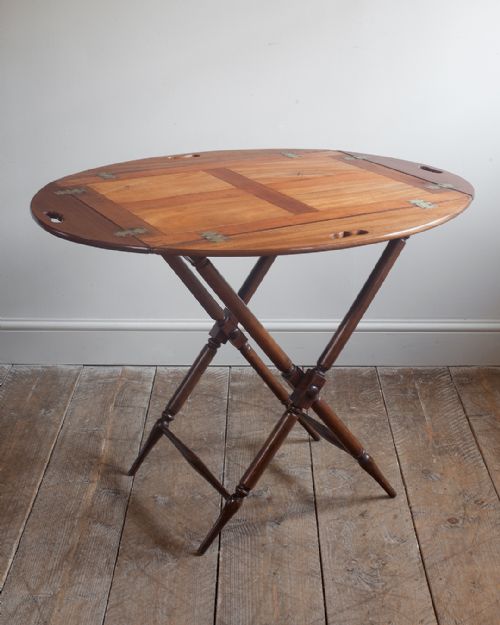
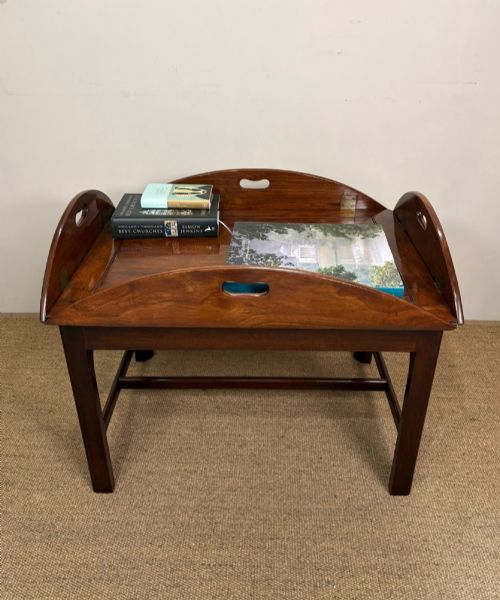
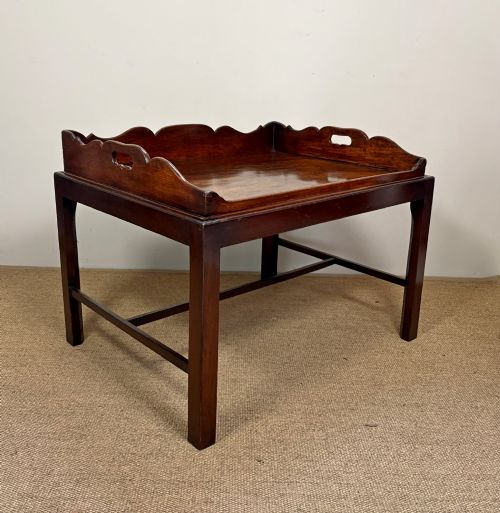
A george iii tray encompasses deep oval butler trays, brass-bound serving pieces, and raised-edge tray tops designed for tables and commodes. These items reflect the functional domestic requirements of the late eighteenth century, built for carrying or display.
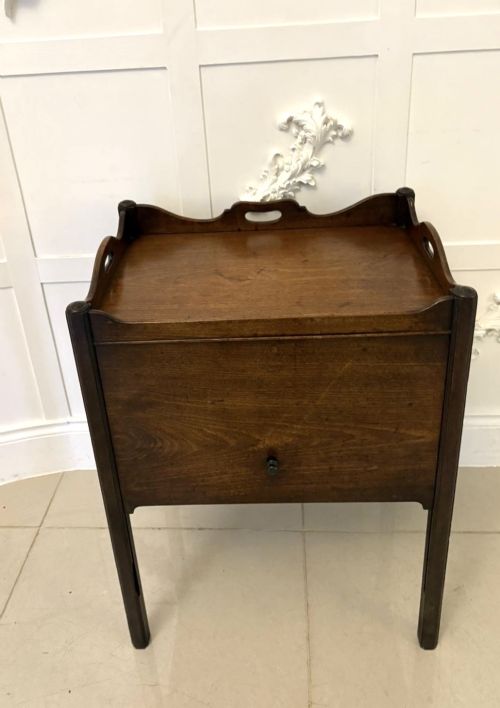
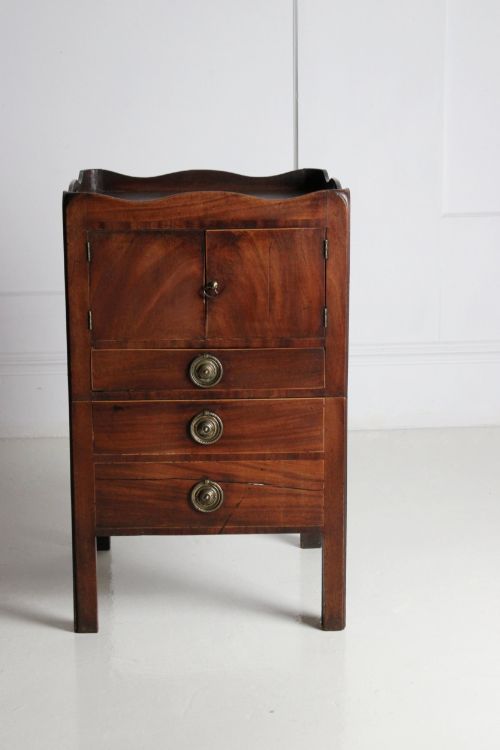
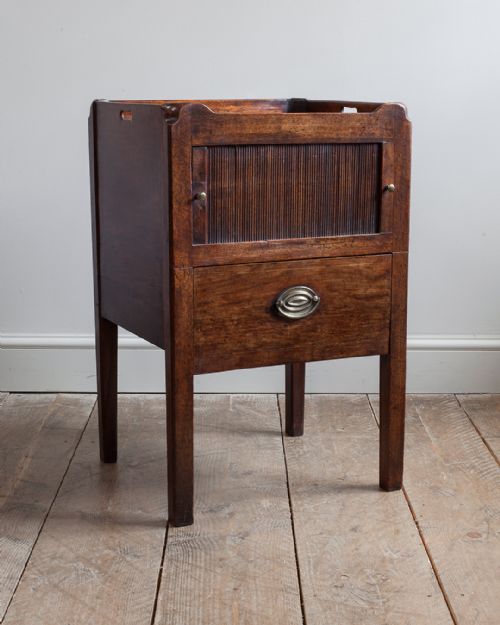
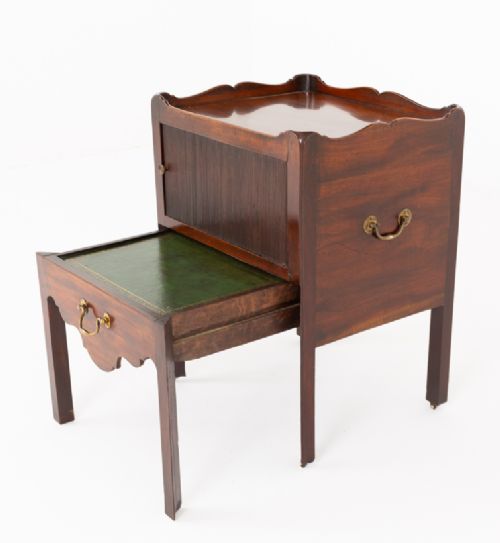
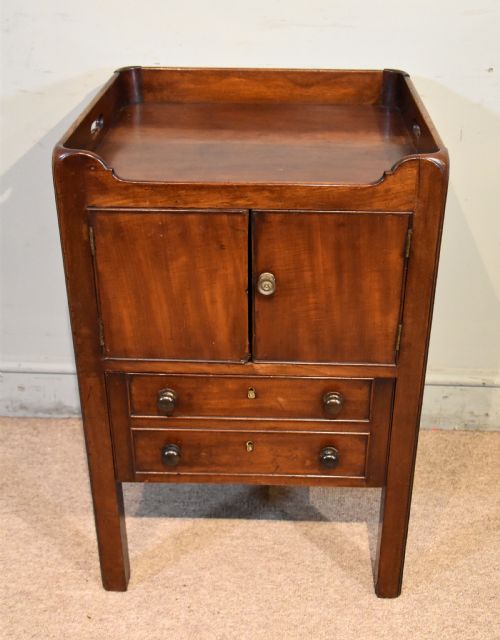
The version most commonly encountered on this page is the mahogany butler tray, frequently paired with a folding stand or integrated into bedside cabinets and nightstands. These pieces demonstrate the period's focus on adaptable furniture that could be moved or reconfigured as needed.
Examples range from substantial oval serving boards with hinged sides to smaller silver snuffer trays and stationery holders. Each form shares a disciplined adherence to proportion and practical utility.
Materials and construction methods
Cabinetmakers relied heavily on solid mahogany and dense Cuban mahogany, often selecting timber for its strong grain and rich natural colour. Satinwood and inlay appear as decorative accents, adding contrast to borders and central panels.
Metal components played a structural and decorative role, with brass carrying handles, binding, and hinged sides fitted securely to wooden frames. Silver and sterling silver versions utilised traditional silversmithing techniques, including piercing and edge ornamentation.
Listings feature mahogany, sterling silver, and brass materials across Georgian and Victorian periods.
Distinctions in quality
Quality rests in the selection of the timber and the precision of the joinery, particularly where gallery edges meet the base or where brass hinges are inset. Superior examples show careful management of grain direction to prevent warping across wide expanses.
Finer pieces maintain crisp carving on handles and mouldings, whereas simpler utilitarian versions display plain, functional surfaces intended strictly for daily service.
Robert Breading·Peter and Anne Bateman·John Crouch I·Thomas Hannam·Henry Clay
The George III Tray Glossary
- Butler tray
- A portable serving tray with four hinged sides that could be locked upright for carrying or lowered flat for serving.
- Tray top
- A raised rim worked directly from the solid timber of a table top, commode, or bedside cabinet to prevent items from sliding off.
- Commode
- A low enclosed cabinet or chest of drawers, frequently constructed with a tray top during the Georgian period.
- Snuffer tray
- A small, elongated silver or metal tray designed to hold candle snuffers and catch stray wax.
- Brass bound
- A tray strengthened around the outer rim with a fitted strip of brass, secured by tiny pins.
George III Tray: Frequently Asked Questions
What is a george iii tray used for?
These items served various domestic functions, from carrying glassware and wine bottles to holding letters or bedside items. Larger formats were placed on folding stands to function as temporary side tables during meals.
Silver variants held tea services, card decks, or candle snuffers in formal reception rooms.
Are these trays meant to be used today?
Many solid timber and brass-bound examples remain robust enough for daily serving or display on stands. Their sturdy mahogany construction handles normal household use well.
Silver and antique metal versions require gentler handling and are typically kept for display or careful service.
How do I care for a mahogany tray?
Keep wooden surfaces away from direct heat sources and strong sunlight to prevent the timber from drying out or splitting. Occasional application of suitable wax maintains the finish.
Avoid leaving standing liquids on antique wood surfaces for extended periods to protect the polish.
How can I tell the period from the style?
Georgian pieces display restrained proportions, rich mahogany grain, and functional brass fittings without excessive ornamentation. Later revival styles often incorporate heavier carving or different structural joinery.
Examining the underside, fixing methods, and timber wear helps confirm the age of the piece.