
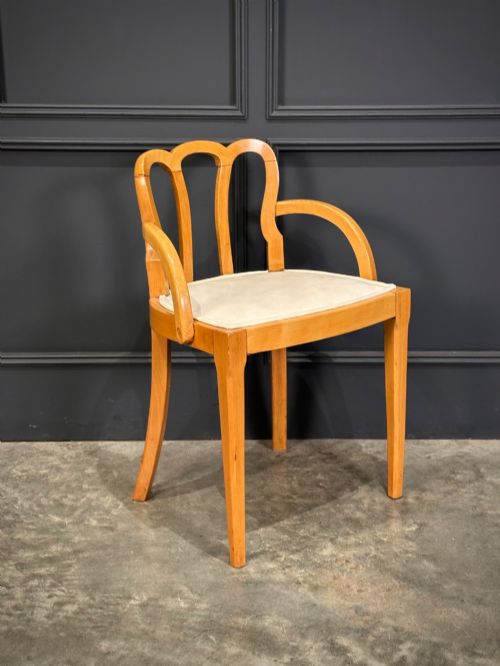
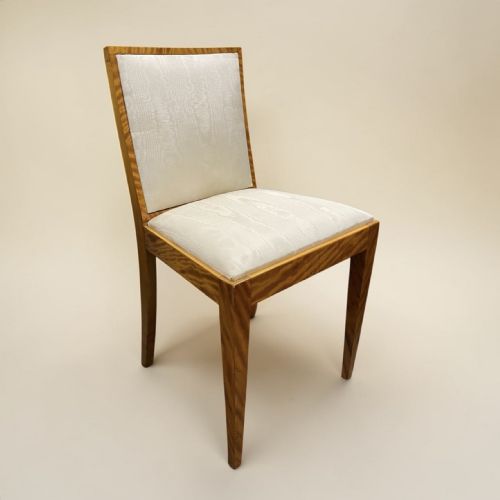
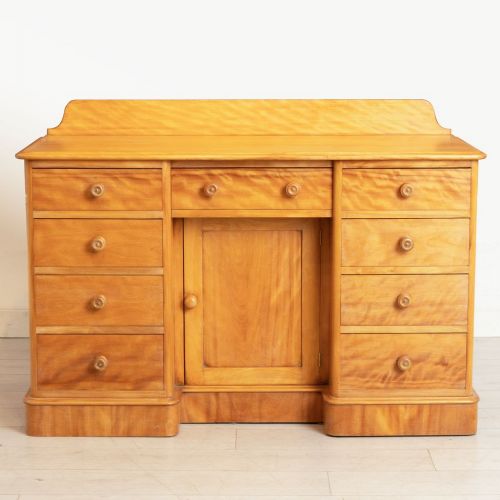


Satinwood Vanity Desk
A satinwood vanity desk brings together bright timber and personal writing space, offering a refined spot for morning routines and correspondence.
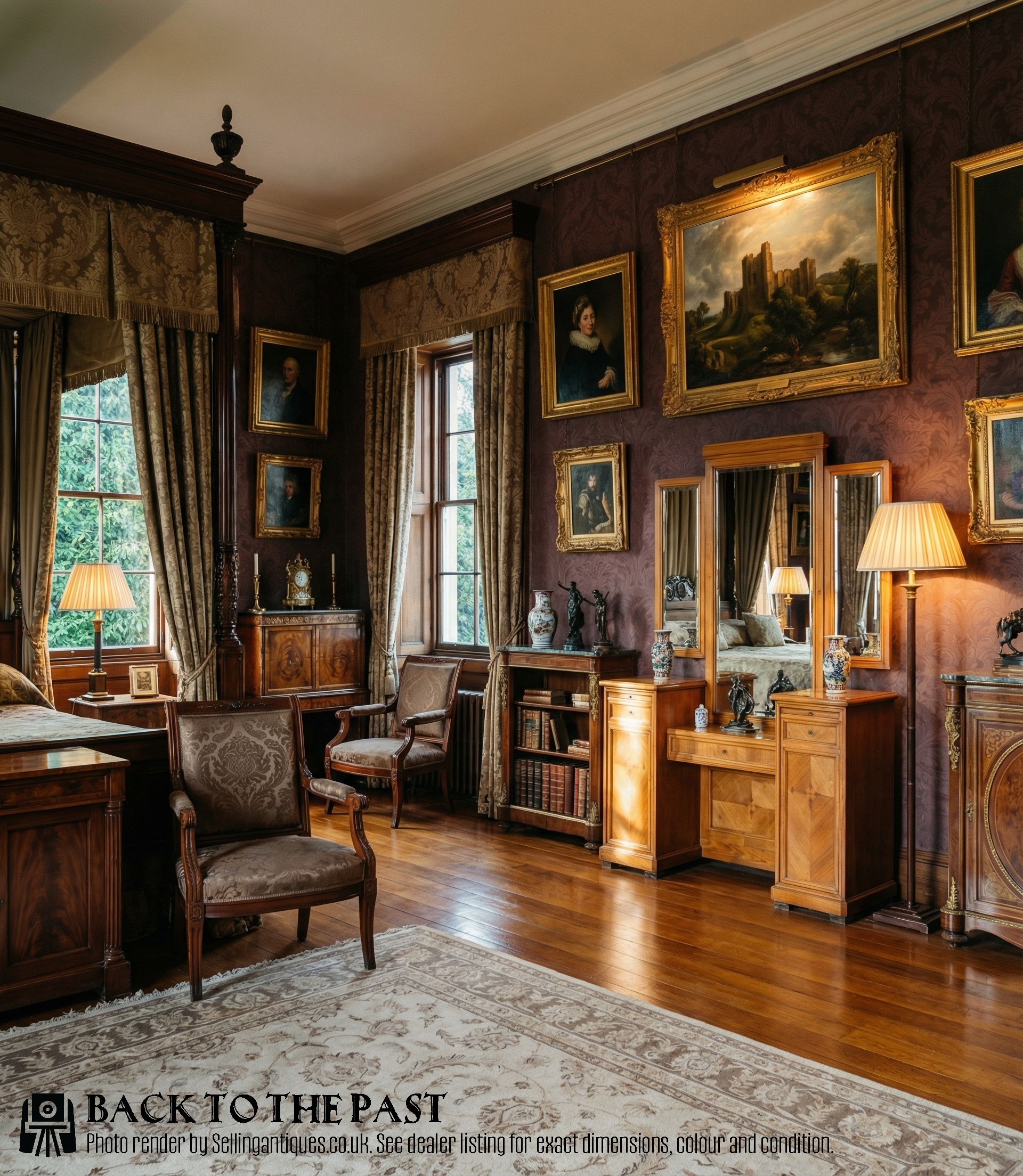
Satinwood Vanity Desk
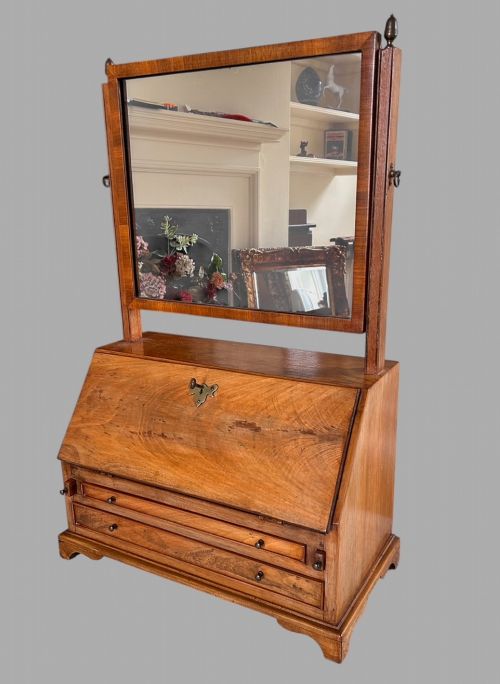
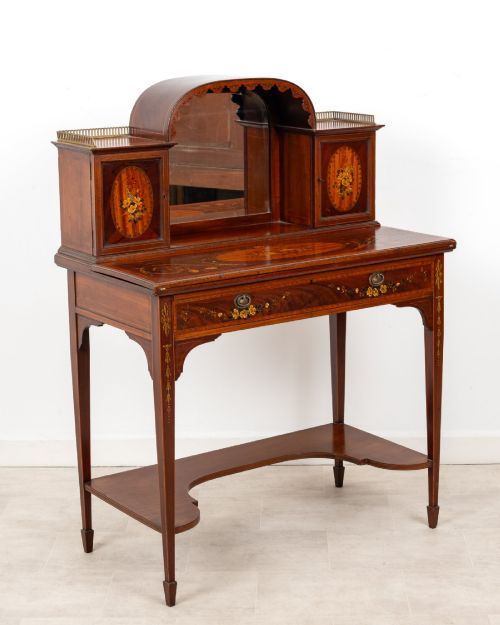
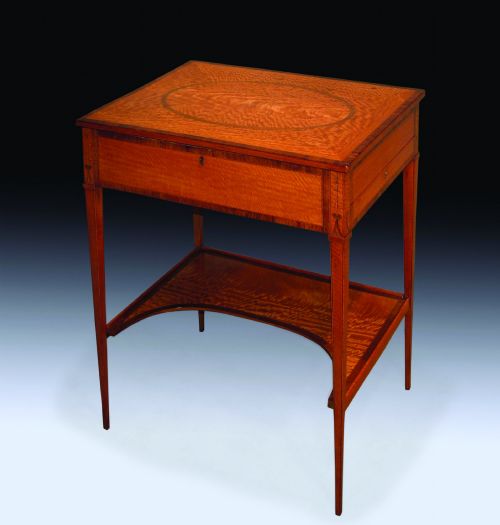
A satinwood vanity desk combines the functions of a dressing table and a writing desk, often featuring fitted drawers, compartments, and integrated mirrors. These pieces span the eighteenth, nineteenth, and early twentieth centuries, with Edwardian and Victorian examples appearing most frequently.
The form varies from compact ladies writing tables with mirrored superstructures to larger kneehole dressing tables and Carlton House desks. Many examples incorporate mahogany or satin birch alongside satinwood veneers and solids.
Makers and designers from various periods adopted these forms to suit bedroom and boudoir settings, utilising painted decoration, marquetry, and fine inlay to elevate the surface appearance.
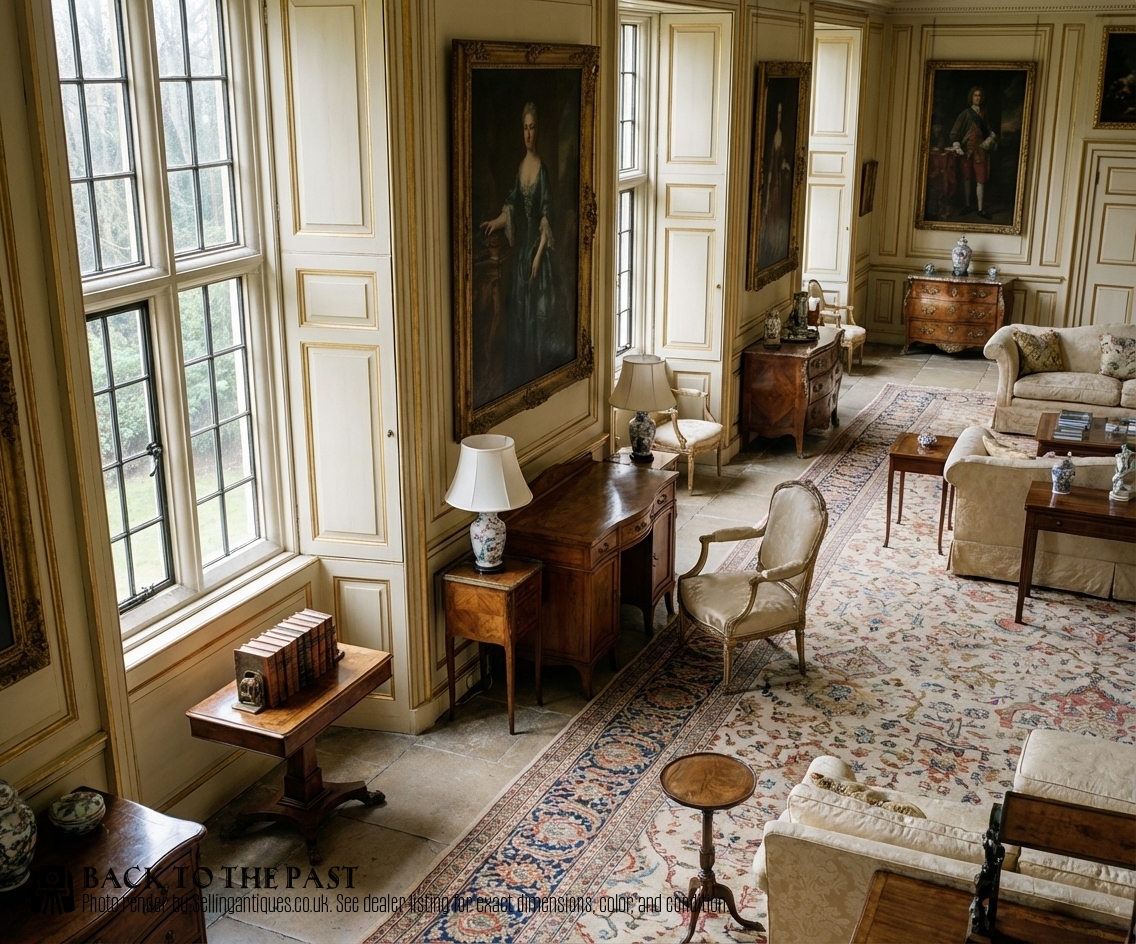
Materials and construction
Timbers such as satinwood, mahogany, and satin birch form the primary carcase and drawer structures, frequently applied as veneers over sturdy secondary woods. Cabinet makers incorporated brass handles, glass mirror plates, and leather or fabric writing surfaces to complete each piece.
Decoration relied on hand-painted floral motifs, delicate stringing, and intricate marquetry inlay executed in contrasting woods. Skilled joiners utilised dovetail joints for drawer construction and built sophisticated internal compartments, sometimes including secret rising mechanisms.
One exceptional eighteenth-century piece manages to conceal multiple secret rising compartments within its working surface.
Judging quality and craftsmanship
The precision of the veneer matching and the crispness of the inlaid marquetry separate standard production from superior cabinet work. Workshops that employed hand-painted details and carefully selected timber grains achieved a depth of colour and finish that lesser pieces lack.
Structural integrity depends on the retention of original brass hardware, undamaged mirror glass, and smoothly operating drawers with properly fitted internal partitions. Pieces bearing stamps or marks from established makers often display a higher standard of internal finishing and joinery.
Bath Cabinet Makers·Edwards and Roberts·Gillows·Collinson and Lock·John Taylor of Edinburgh
The Satinwood Vanity Desk Glossary
- Satinwood
- A dense, lustrous tropical timber known for its golden colour and reflective sheen. It was widely used by eighteenth and nineteenth century cabinet makers for fine veneer and inlay.
- Superstructure
- An upper tier of small drawers, shelves, or a mirror attached to the back of a desk or dressing table. This addition provided extra storage and display space.
- Marquetry
- Decorative patterns formed by fitting together small pieces of veneer into wooden panels. Artisans used various coloured woods to create pictorial or geometric designs.
- Stringing
- Thin lines of contrasting wood inlaid into the surface of furniture to outline panels and drawers. It created a subtle border that enhanced the primary timber.
Satinwood Vanity Desk: Frequently Asked Questions
How do I care for satinwood furniture?
Keep these pieces away from direct sunlight and excessive heat sources to prevent the timber from fading and the veneer from lifting. Regular dusting with a soft, dry cloth maintains the polished finish without requiring heavy wax applications.
Avoid placing damp items or unsealed containers directly on the wooden or leather writing surfaces. Gentle cleaning with appropriate conservation products preserves the hand-painted details and delicate inlay work.
Were these desks used for writing or grooming?
These versatile pieces served both purposes, functioning as dressing tables in the morning and writing desks during the day. The inclusion of mirrors, small compartments, and pull-out writing slides allowed users to transition easily between correspondence and personal care.
Many examples feature dedicated stationery drawers alongside storage for cosmetics and brushes. This dual functionality made them essential furnishings in Victorian and Edwardian bedrooms.
How can I distinguish Edwardian pieces from Victorian ones?
Victorian examples often display heavier proportions, darker secondary timbers, and robust aesthetic or Sheraton Revival styling. Cabinet work from this era frequently incorporates rich marquetry and substantial brass hardware.
Edwardian pieces tend to feature lighter structures, simpler painted decoration, and a more refined delicacy in the legs and superstructures. The influence of neoclassical revivals became lighter and airier by the turn of the twentieth century.
Are the mirrors on these desks original?
Many surviving pieces retain their original bevelled mirror glass, though some show minor foxing or age spots that reflect their history. Replacements do occur when older plates suffered accidental breakage over the decades.
Examining the backing boards and the fixings helps determine whether the mirror frame and glass belong to the original period of manufacture.