
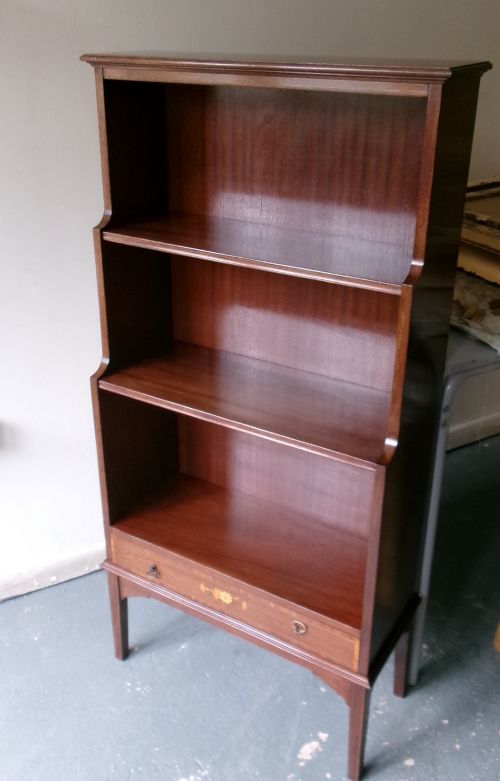
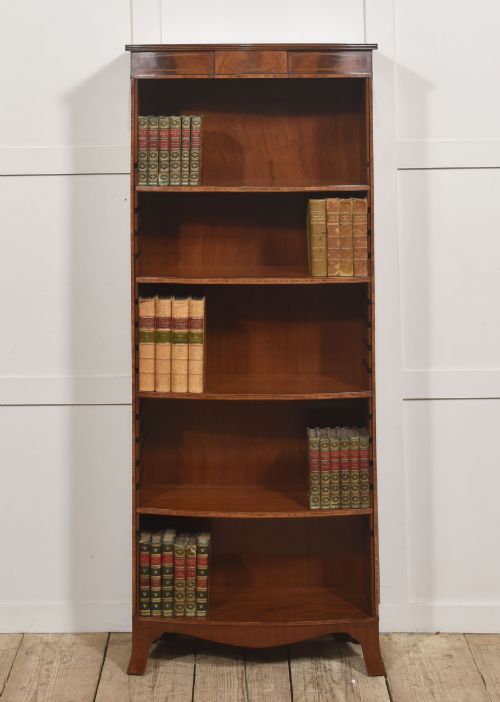


Satinwood Shelving Unit
A satinwood shelving unit brings warm, golden timber and fine craftsmanship into a room, offering practical display space with distinctive character.
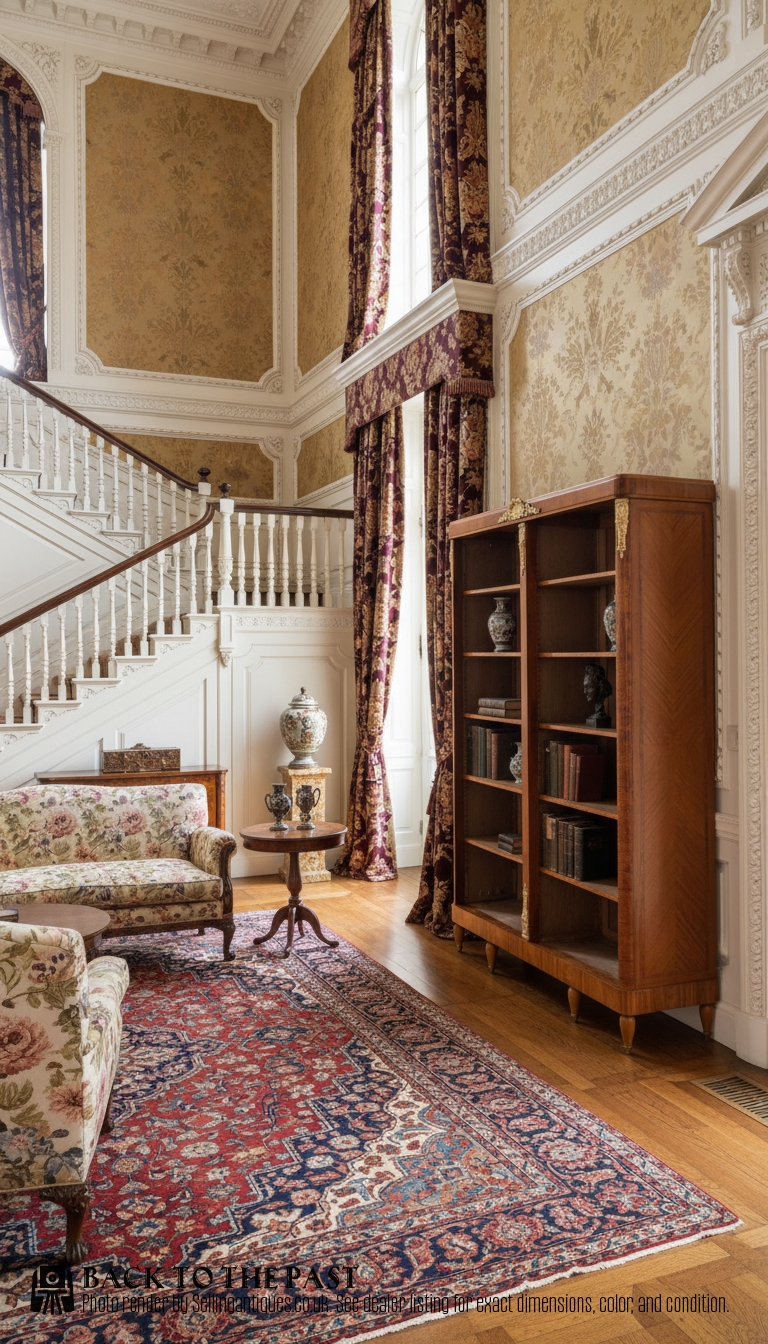
Satinwood Shelving Unit
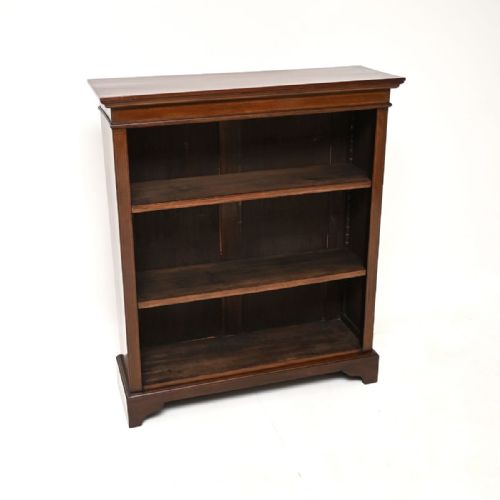
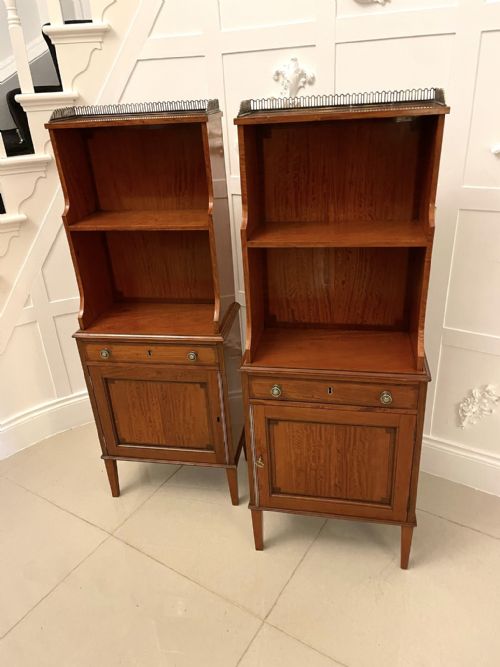
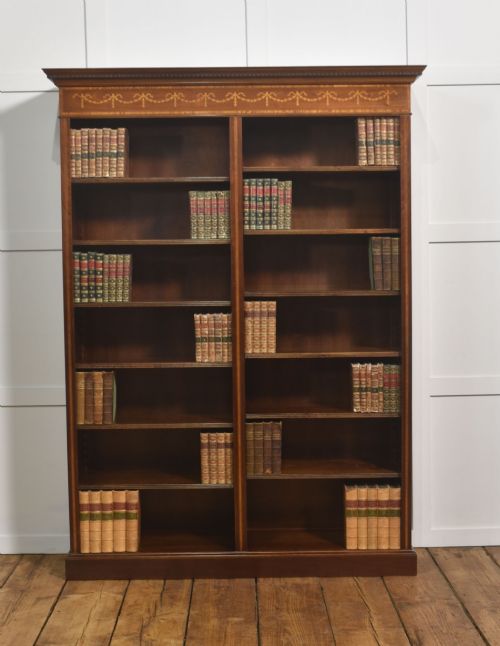
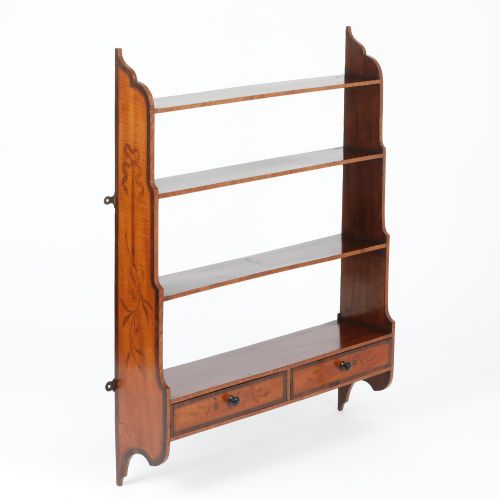
A satinwood shelving unit encompasses open bookcases, hanging shelves, and tiered étagères dating from the eighteenth century through the twentieth century. These pieces combine utility with refined decorative appeal, designed to house books and display small objects.
The versions most commonly met on this page span the Edwardian period, the Sheraton Revival style, and nineteenth-century production. They frequently incorporate mahogany alongside satinwood, utilising contrasting timbers for visual depth.
How they were made
Cabinetmakers constructed these pieces using solid timbers and carefully cut veneer applied to secondary woods. Satinwood provided a luminous ground for decorative inlay, often paired with mahogany and boxwood for contrasting stringing and banding.
Metal components such as brass hardware secure structural elements and add functional detail. Hand-applied paint and gilt bronze ornamentation also appear on specific French Neoclassical and aesthetic examples.
Listings feature items from the eighteenth century to nineteen thirty, including Edwardian and Regency periods alongside Art Deco forms.
What varies in quality
The standard of execution in the inlay and veneering determines the upper tier of quality. Crisp, precise cutting of boxwood and mahogany lines into the satinwood surface indicates superior cabinet work.
Proportion and structural integrity distinguish finer examples from standard production. Well-balanced forms with thoughtful detailing on cornices and shelf edges separate workshop output from mass manufacture.
Gillows
The Satinwood Shelving Unit Glossary
- Satinwood
- A hard, yellowish timber with a lustrous, chatoyant grain that takes a high polish. It forms the primary decorative surface for many late-eighteenth and nineteenth-century pieces.
- Inlay
- A technique where pieces of contrasting wood or metal are inserted into a recessed bed on the timber surface. This method creates geometric or floral patterns.
- Étagère
- A set of open shelves for displaying small ornaments, supported by slender columns or uprights. These pieces originated in France and gained popularity during the Regency period.
- Waterfall bookcase
- A tiered shelving unit where each successive shelf is slightly deeper than the one above it. This form emerged during the nineteenth century.
Satinwood Shelving Unit: Frequently Asked Questions
What periods do these pieces date from?
The items range from eighteenth-century examples to twentieth-century Art Deco and Edwardian pieces. Many date to the nineteenth century, including the aesthetic movement and Sheraton Revival eras.
Specific dates within the listings span from eighteen hundred up to nineteen thirty. Each period carries distinct stylistic traits and construction methods.
How do I identify a Sheraton Revival piece?
Sheraton Revival items draw inspiration from late-eighteenth-century neoclassical designs. They typically feature satinwood veneer, delicate inlay, and balanced, rectilinear proportions.
These pieces often combine mahogany and boxwood elements to create refined contrast. The style saw significant popularity around the nineteen-hundreds.
Where were hanging shelves used?
Hanging shelves provided accessible book storage and display space in smaller rooms. They were mounted directly to walls above desks, tables, or seating areas.
These units often feature waterfall designs or inlaid friezes. They offer a lighter alternative to large floor-standing bookcases.
How do satinwood and mahogany differ?
Satinwood is a dense, pale timber with a distinct golden sheen and light-reflecting grain. Mahogany is a darker, reddish-brown hardwood prized for its stability and deep colour.
Cabinetmakers frequently combined both timbers in a single piece. The dark mahogany provides a frame for the luminous satinwood panels.
Are these units suitable for modern rooms?
The compact proportions of wall shelves, étagères, and small open bookcases allow them to fit easily into contemporary spaces. Their warm timber tones complement various interior styles.
Open shelving provides functional storage for books while displaying decorative objects. The variety of periods represented ensures diverse aesthetic choices.