

Satinwood Display Cupboard
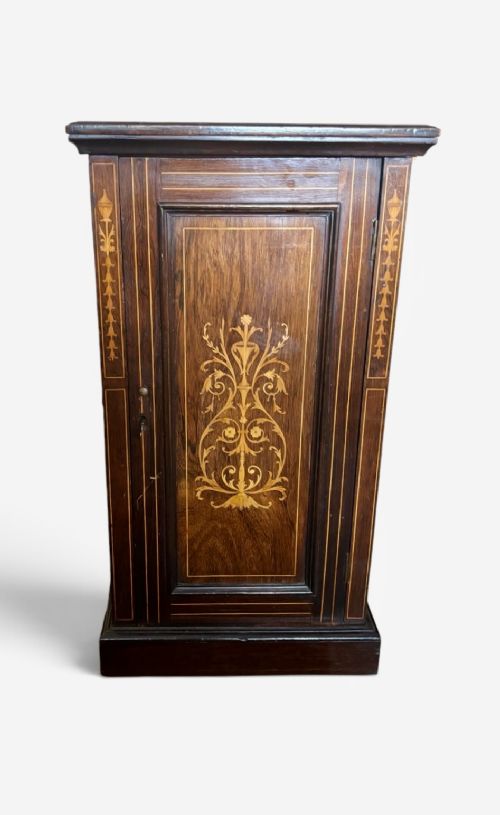
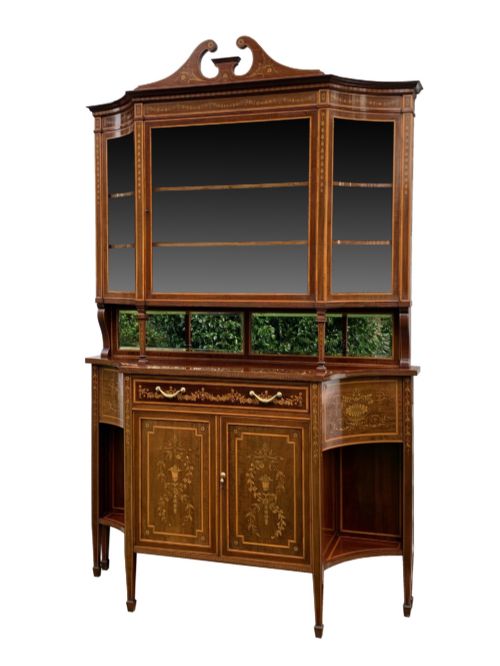
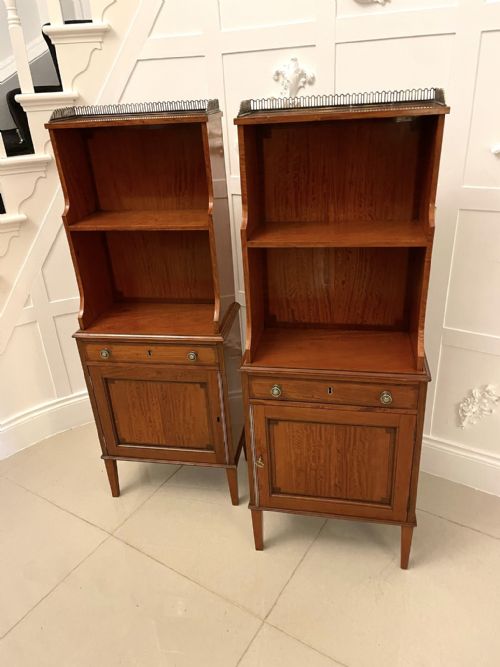
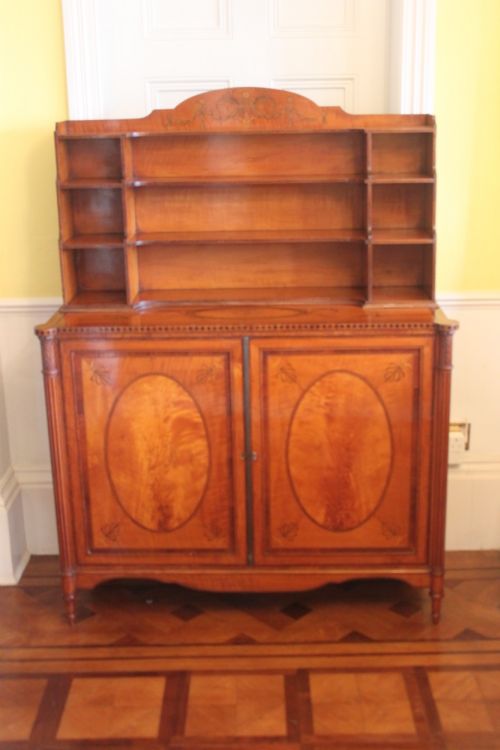
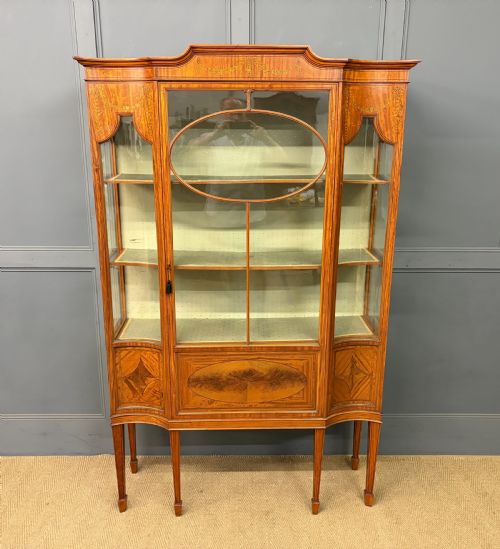
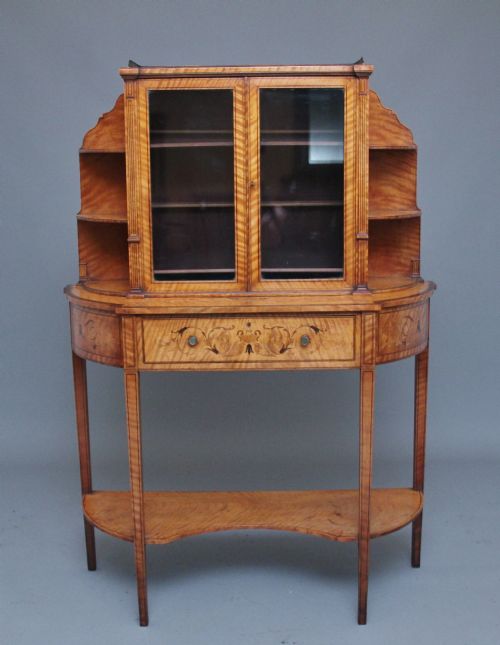
These satinwood display cupboards are timber showcases for treasured items, bringing refined cabinetwork and light-reflecting grain into a room.
Satinwood Display Cupboard
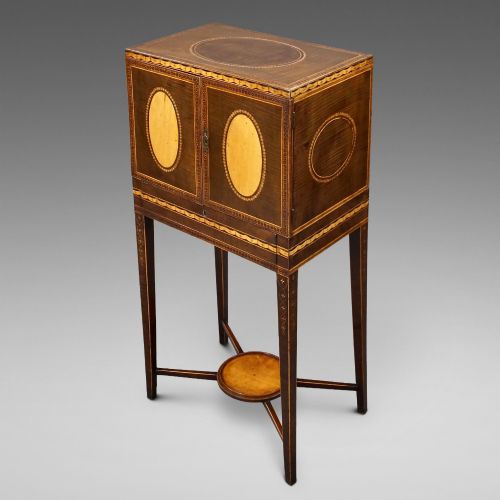
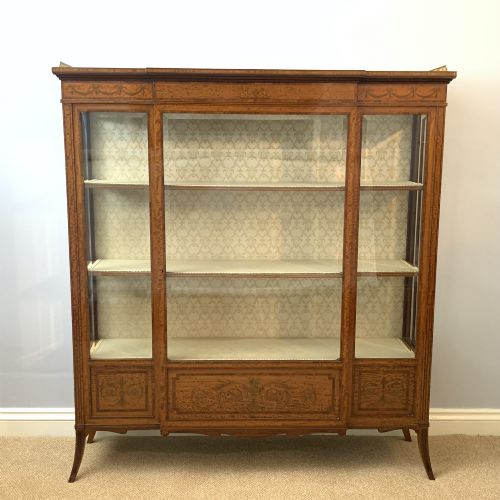
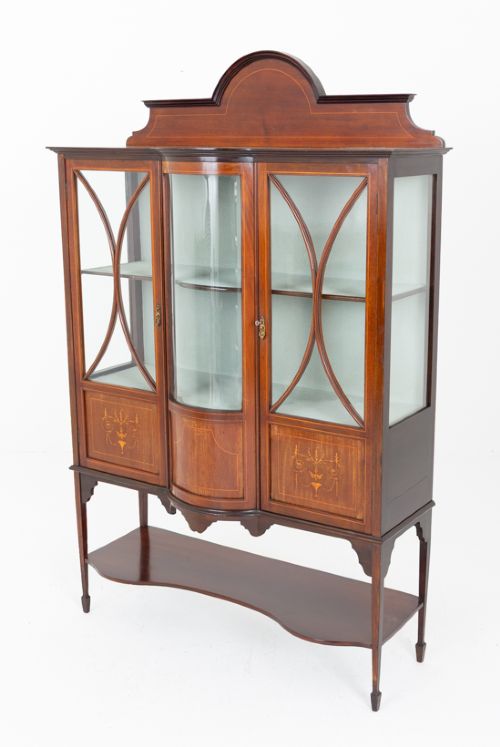
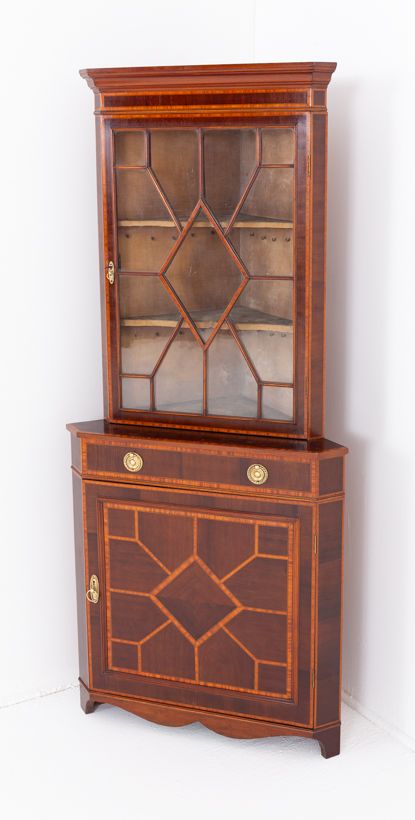
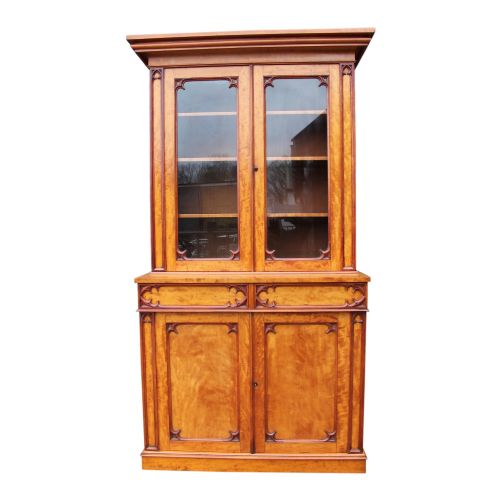
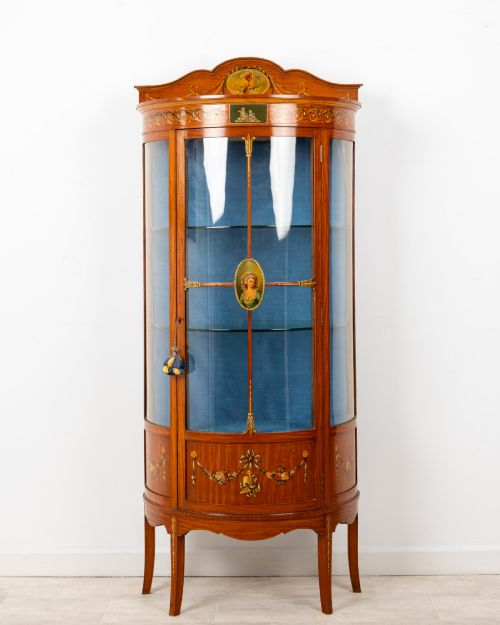
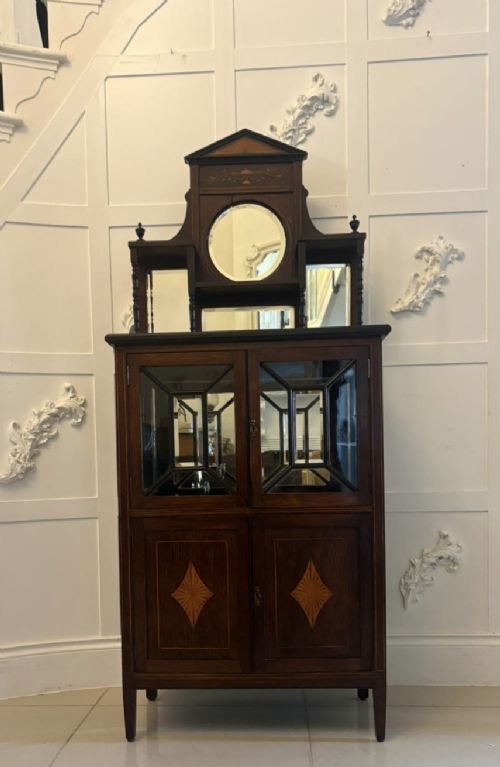
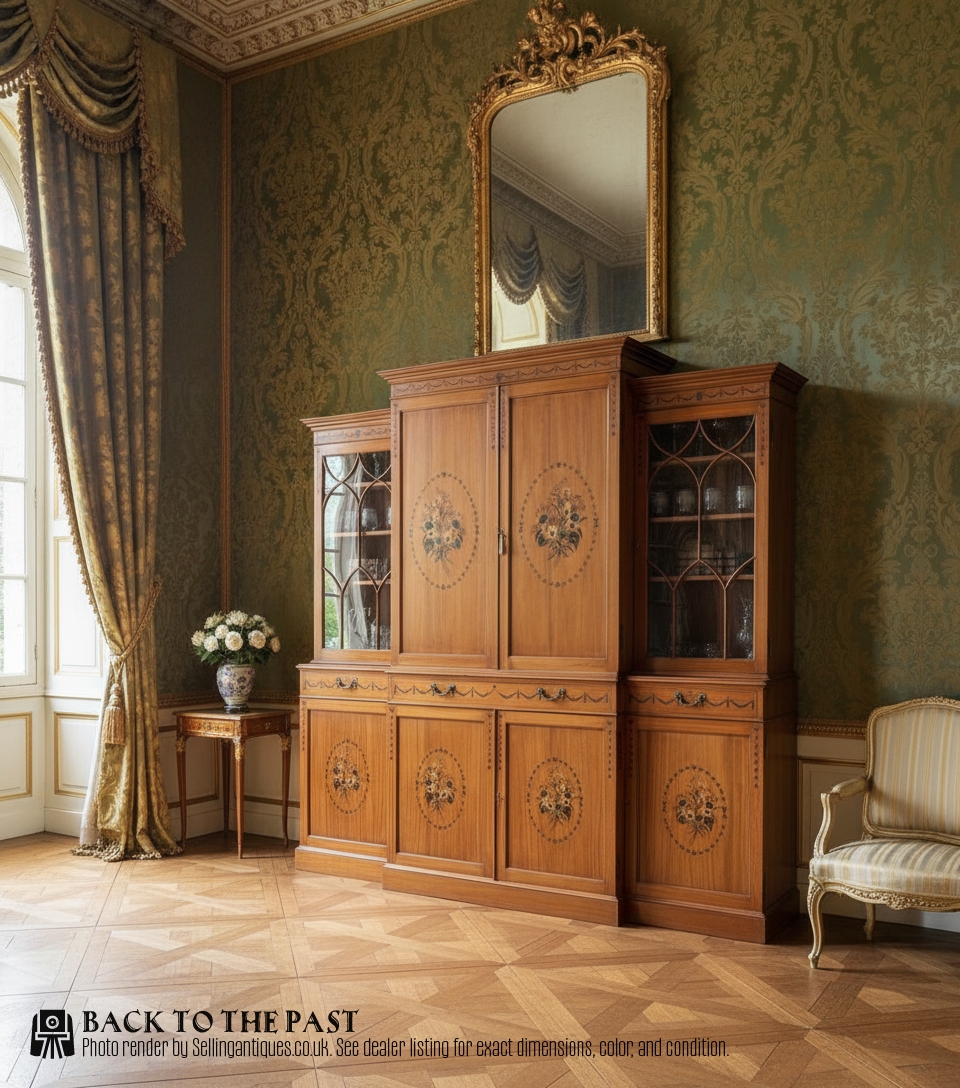
When you search for a satinwood display cupboard, you encounter a refined class of storage furniture designed to exhibit ceramics, books and ornaments behind glass doors. The pieces appearing here span several eras, with Edwardian and late nineteenth-century examples appearing most frequently alongside earlier Georgian and Victorian forms.
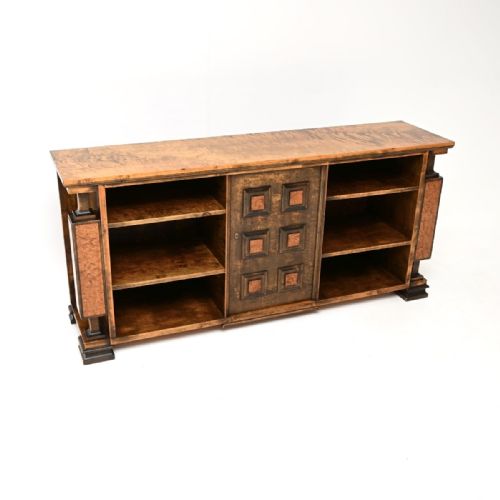
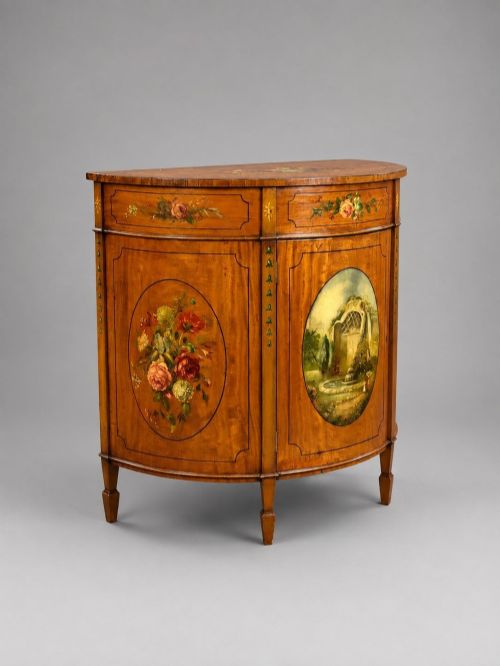
Makers and workshops constructed these cabinets in various formats, ranging from corner cupboards and narrow side cabinets to expansive breakfront bookcases and delicate cabinets on stands. Many pieces incorporate glazed panels, mirror backs and painted details, reflecting the revival styles popular during the nineteenth and early twentieth centuries.
How they were made
Cabinetmakers utilised satinwood as a primary timber or as decorative veneers over firmer woods like mahogany, pairing the pale, golden grain with contrasting inlay such as boxwood and harewood. Workshops integrated glass for door panels and mirrored sections internally to amplify light within the display compartments.
Structural elements frequently incorporated brass hardware, fabric linings and hand-painted decorative panels. Craftsmen employed marquetry and line inlay techniques to ornament the exterior surfaces of these display cabinets and bookcases.
Materials recorded across these cabinets include mahogany, walnut, satin birch, glass, brass, mirror glass, fabric, and boxwood inlay.
What varies in quality
The distinction between standard commercial output and exceptional cabinetwork rests in the precision of the timber matching and the subtlety of the inlay. Pieces produced by notable makers display superior handling of contrasting veneers and finer detailing on painted surfaces.
Proportion and structural integrity define the higher tier of these cabinets. Examples featuring well-balanced breakfronts, original glass, and integrated architectural mouldings command greater appreciation than simpler, utilitarian versions.
Edwards and Roberts·Gillows·Maple and Co·Jewell of Holborn
The Satinwood Display Cupboard Glossary
- Satinwood
- A durable, lustrous timber native to tropical regions, prized for its pale yellow colour and chatoyant grain. Cabinetmakers used it extensively for veneers and primary surfaces in high-status furniture.
- Sheraton Revival
- A late nineteenth and early twentieth-century design movement inspired by the neoclassical furniture of George Sheraton. It is characterised by delicate proportions, satinwood veneers, and refined inlay.
- Marquetry
- The art of applying pieces of veneer to a structure to form decorative patterns and pictures. Makers utilised various exotic timbers to create floral and geometric motifs on cabinet doors.
- Vitrine
- A glass-fronted display cabinet specifically designed for showing porcelain, curiosities and small objects. These pieces often feature glass sides to maximise visibility from multiple angles.
- Demi-lune
- A half-moon shape used for the footprint and top of specific side cabinets and commodes. This curved form allowed furniture to sit flush against a wall while offering a softer profile than a rectangular unit.
Satinwood Display Cupboard: Frequently Asked Questions
How do I date a satinwood display cupboard?
Dating relies on observing the construction methods, secondary timbers, and stylistic markers present in the cabinetwork. Pieces associated with the Sheraton Revival typically display nineteenth or early twentieth-century manufacturing techniques.
Earlier Georgian and eighteenth-century examples exhibit heavier timber framing and hand-cut joinery. Examining the backboards, hinge types, and interior linings provides further clues to the period of origin.
Were these cabinets used for books or china?
These pieces served multiple domestic purposes depending on their internal configuration and the presence of glass doors. Many served as vitrines or display cabinets for delicate ceramics and ornaments.
Others functioned as bookcases or side cabinets for storing household goods and reading materials. The inclusion of adjustable shelving inside glazed compartments accommodated various display needs.
How should I care for antique satinwood furniture?
Maintaining satinwood requires protecting the polished timber from direct sunlight and drastic changes in humidity. Stable indoor environments prevent the wood from drying out and the veneers from lifting.
Applying a traditional beeswax polish occasionally helps nourish the grain. Avoid using modern silicone-based sprays, which can damage historic finishes.