


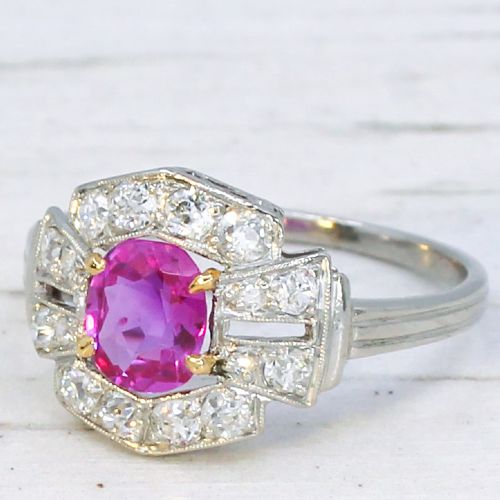


Sapphire Diamond Cocktail Ring
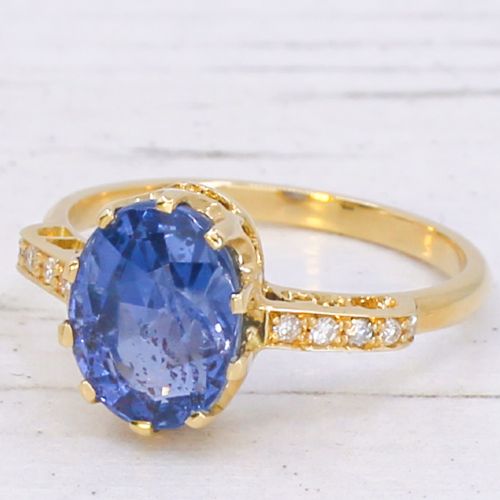
When choosing a sapphire diamond cocktail ring, you select a substantial statement piece designed to catch the light across a crowded room.
Sapphire Diamond Cocktail Ring
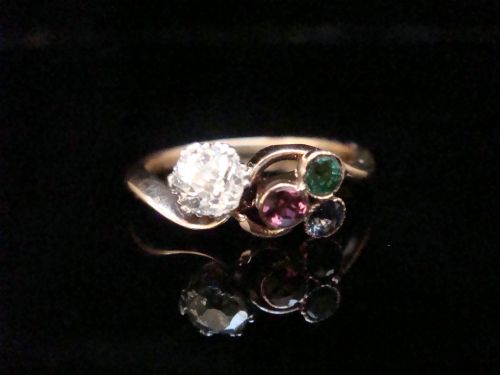
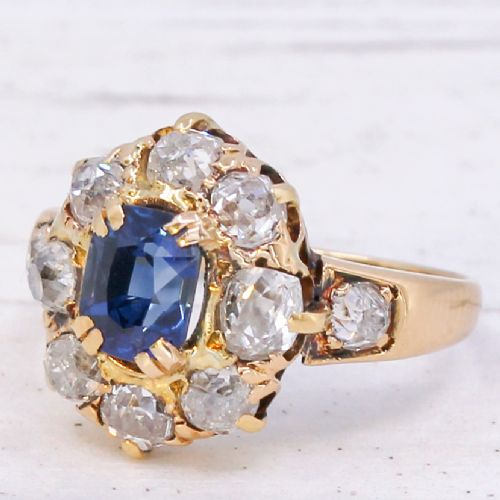
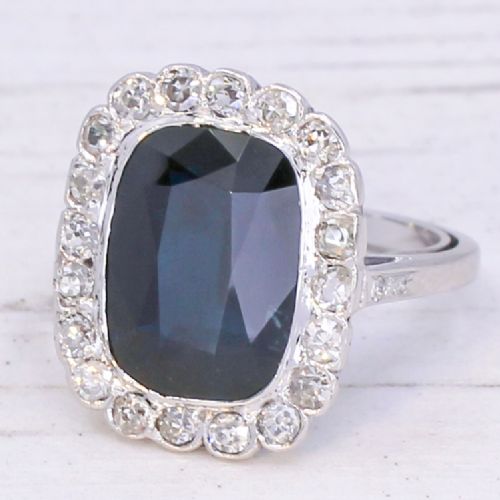
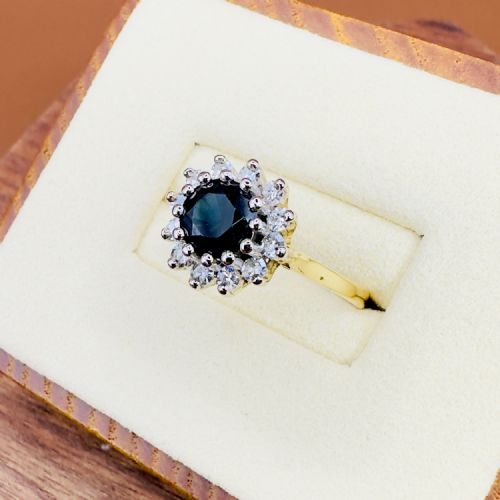
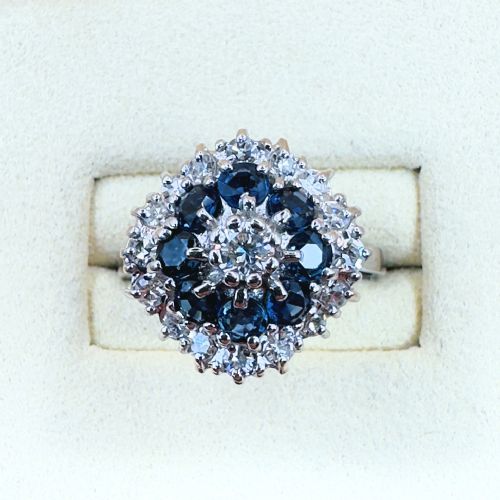
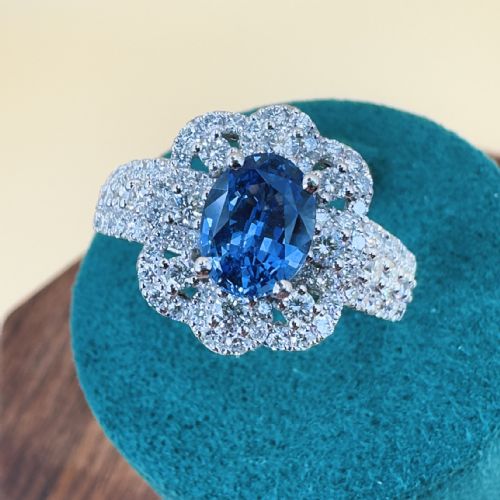
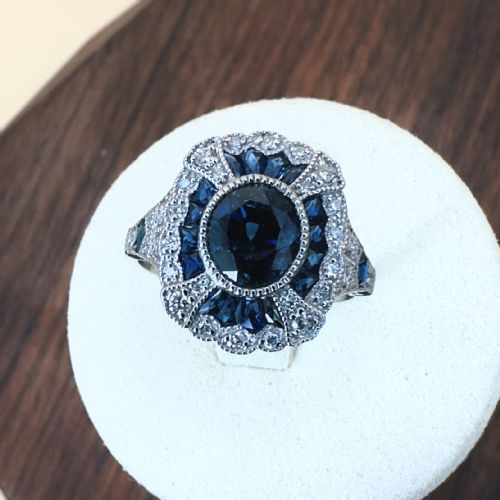
A sapphire diamond cocktail ring combines deep blue or fancy-coloured corundum with glittering diamonds in a bold setting intended for evening wear. These prominent cluster, navette and target designs span periods from the Edwardian era through the 1920s Art Deco movement into the mid-century decades.
The assortment relies heavily on platinum and 18ct white or yellow gold to support sizeable central stones. Surviving examples demonstrate how jewellers balanced heavy carat weights with intricate geometric or organic floral arrangements.
How they were made
Goldsmiths shaped durable platinum and 18ct gold alloys into elaborate settings, utilising sturdy claws and bezels to secure principal sapphires alongside old-cut, rose-cut or brilliant-cut diamonds. Calibré-cut sapphires were frequently tailored to fit exact geometric channels in Art Deco mountings.
Craftsmen paired precious metals with unheated stones originating from Ceylon, Burma or basaltic sources, often enhancing symmetry through meticulous cluster and halo arrangements.
What varies in quality
Quality rests principally on the provenance and natural condition of the central sapphire, with unheated stones carrying significant weight over treated alternatives. The clarity, cut precision and carat proportion of the accompanying diamonds further elevate a piece.
The integrity of the metalwork, whether hand-forged platinum or detailed 18ct gold, dictates how well the structural geometry withstands decades of wear while retaining secure stone settings.
Le Vian
The Sapphire Diamond Cocktail Ring Glossary
- Cluster ring
- A ring featuring a prominent central stone encircled by a group of smaller gemstones, commonly diamonds framing a sapphire.
- Calibré cut
- Small gemstones cut precisely into specific geometric shapes to fit closely together within channel settings, frequently seen in Art Deco pieces.
- Navette
- A boat-shaped ring design that tapers to pointed ends along the finger, also known as a marquise shape.
- Unheated sapphire
- A natural corundum gemstone that has undergone no thermal enhancement to improve its colour or clarity.
- Old cut
- A vintage diamond cutting style characterised by a high crown, small table and deep pavilion designed to sparkle under candlelight.
Sapphire Diamond Cocktail Ring: Frequently Asked Questions
What defines a cocktail ring?
A cocktail ring is an oversized, decorative piece created to draw attention during evening social gatherings. These designs typically feature large central gems surrounded by intricate diamond work.
Originating during the prohibition era, these prominent rings symbolised luxury and bold personal style. They remain prized for their dramatic presence on the hand.
How do I identify an Art Deco ring?
Art Deco rings display strict geometric symmetry, sharp angles, and precise calibré-cut stones. Platinum is the dominant metal of this period, often paired with white gold.
These pieces favour streamlined motifs and contrasting colour palettes, such as deep blue sapphires beside bright white diamonds. The overall aesthetic rejects Victorian ornamentation in favour of modern industrial lines.
Are Ceylon sapphires valuable?
Ceylon sapphires originate from Sri Lanka and are renowned for their vibrant cornflower blue hues and high overall brilliance. Stones possessing natural unheated properties achieve particular distinction among collectors.
Their clarity and lively saturation set a high benchmark within vintage cluster and cocktail designs. Geographical origin certificates often accompany the finest examples.
Can I wear a vintage ring daily?
Platinum and 18ct gold mountings provide robust daily support, but high-set cocktail rings require care to avoid knocks against hard surfaces. Regular checks by a jeweller ensure the claws remain tight.
Removing the ring during heavy manual tasks preserves the delicate metalwork and protects the principal sapphire and smaller diamonds from damage.