


1930s Sapphire Engagement Ring
A 1930s sapphire engagement ring brings geometric clarity and intense blue stones together in a classic period piece.
1930s Sapphire Engagement Ring
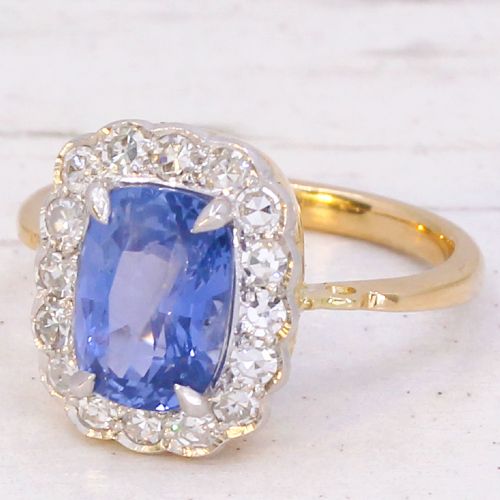
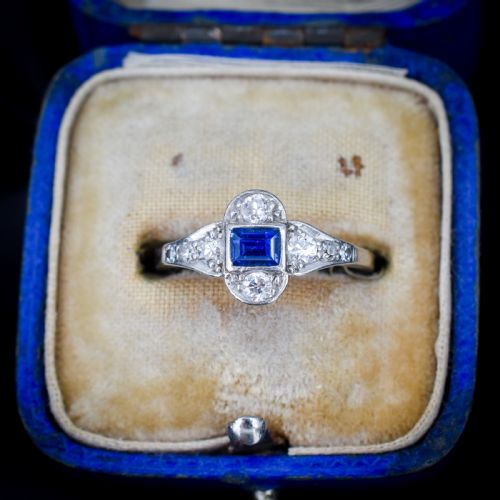
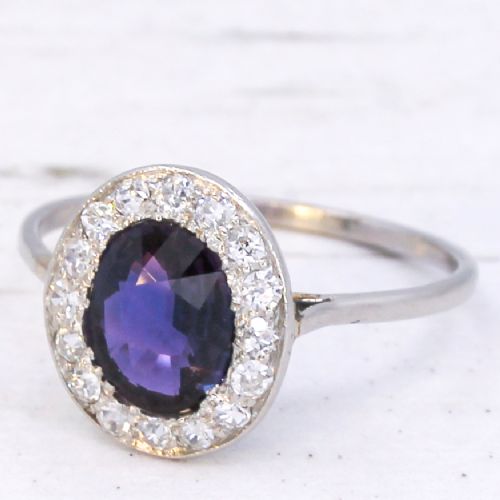
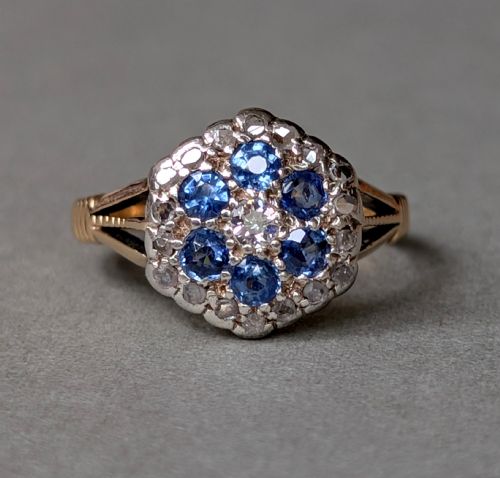
A 1930s sapphire engagement ring defines an era of bold design, geometric lines and striking blue centre stones flanked by diamonds. Buyers searching for a 1930s sapphire engagement ring encounter distinct clusters, dress rings and cocktail rings rooted in the Art Deco style.
Most pieces date from the 1930 period, with occasional examples spanning into the 1920s and 1940s. These rings showcase architectural mounts that elevate the central blue gem above intricate diamond settings.
Materials and Construction
Master jewellers constructed a 1930s sapphire engagement ring primarily in platinum or 18ct gold, alongside 18ct white gold, 14ct yellow gold and 15ct yellow gold. Platinum provided the strength needed for delicate geometric wirework without adding heavy metal weight to the finger.
The stones themselves include Ceylon sapphire, Burmese sapphire, basaltic sapphire, unheated sapphire and cabochon sapphire alongside brilliant-cut and accent diamonds. Gemstones were secured in precise claw, bezel or channel settings designed to catch light from every angle.
Even after a century, these stubborn little platinum claws still refuse to let go of their blue gems.
Judging Quality in Period Rings
Quality rests upon the origin, heat treatment and saturation of the sapphire, with unheated Ceylon and Burmese stones commanding distinct visual presence. The weight and cut of the accompanying diamonds further separate standard cluster designs from exceptional haute joaillerie.
Metalwork execution dictates structural integrity, as crisp geometric milling and intact platinum settings separate superior surviving examples from altered or heavily worn pieces. The harmony between the central sapphire and its diamond surround defines the overall balance of the jewel.
The 1930s Sapphire Engagement Ring Glossary
- Art Deco
- A design style spanning the 1920s and 1930s characterised by symmetry, geometric motifs and streamlined shapes. It forms the primary aesthetic foundation for these rings.
- Cabochon
- A gemstone cut with a smooth, rounded, convex upper surface rather than faceted planes. This technique highlights the deep colour and natural lustre of fine sapphires.
- Ceylon Sapphire
- A sapphire originating from Sri Lanka, historically known for vibrant cornflower or royal blue hues and high clarity. These stones are prized for their bright internal reflection.
- Cluster Ring
- A ring style featuring a prominent central stone encircled by a cluster of smaller accent stones, typically diamonds. This arrangement maximises visual impact on the hand.
- Unheated Sapphire
- A natural gemstone that has undergone no thermal enhancement to improve colour or clarity. Such stones retain their genuine earth-formed characteristics.
1930s Sapphire Engagement Ring: Frequently Asked Questions
How do I identify a 1930s ring?
Look for characteristic geometric motifs, platinum settings and stylistic markers typical of the Art Deco period. Maker marks and hallmarking can also help confirm the exact decade of manufacture.
Construction methods such as hand-pierced gallery work and specific stone cuts provide further clues to dating the piece accurately.
Are sapphires durable for daily wear?
Sapphires rank nine on the Mohs hardness scale, making them exceptionally resistant to scratching and suitable for everyday engagement ring wear. Regular cleaning keeps the facets bright and prevents oils from dulling the stone.
Platinum and gold settings should still be checked periodically by a jeweller to ensure the claws remain secure around the gems.
Why choose platinum for these rings?
Platinum offered period artisans the tensile strength required to create ultra-fine settings and delicate wirework without risking breakage. Its natural white lustre also enhanced the brilliance of surrounding diamonds.
This durable metal ensured that intricate geometric designs remained structurally sound over decades of continuous use.