



Salt Glazed Ceramic Vessel
A salt glazed ceramic vessel brings rugged historical utility and distinctive orange-peel texture into any room.
Salt Glazed Ceramic Vessel
When searching for a salt glazed ceramic vessel, buyers encounter utilitarian and decorative forms ranging from jugs and pitchers to water filters, barrels, and tankards. These objects span several centuries, with pieces originating from English potteries and continental European kilns.
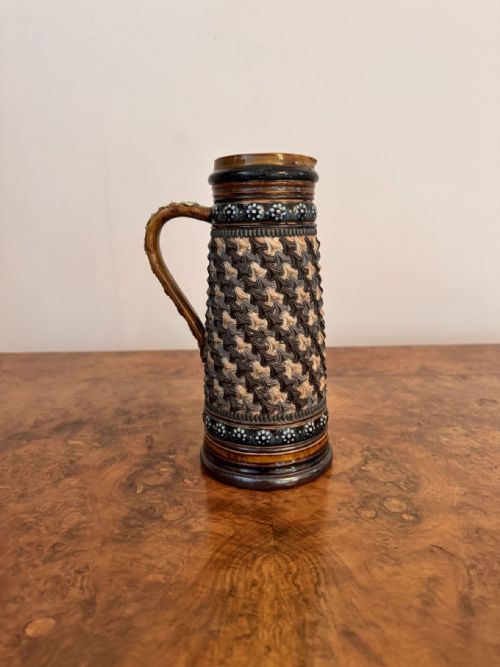
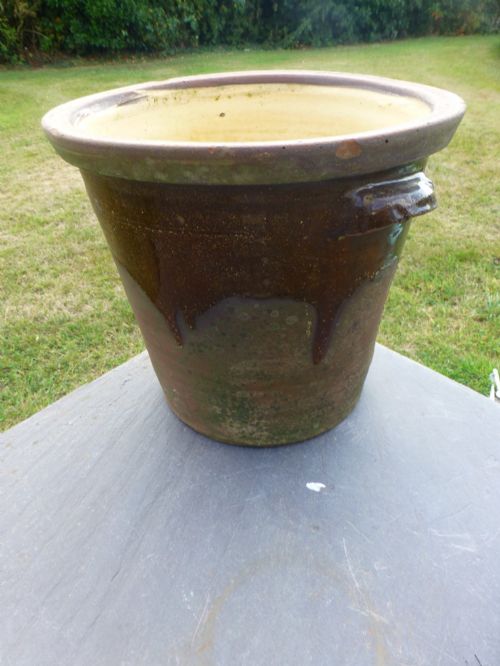
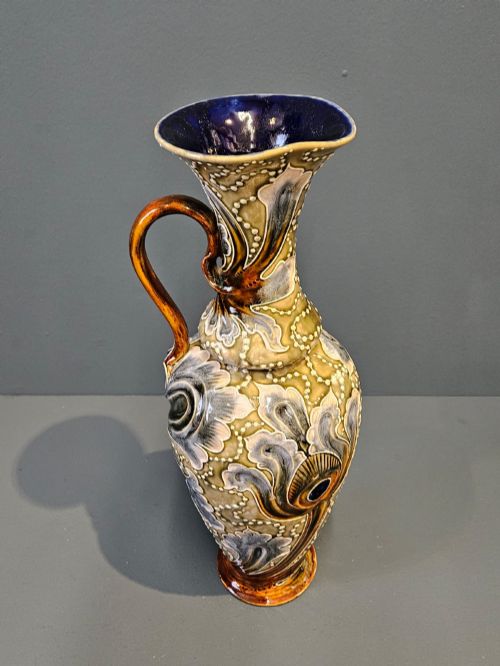
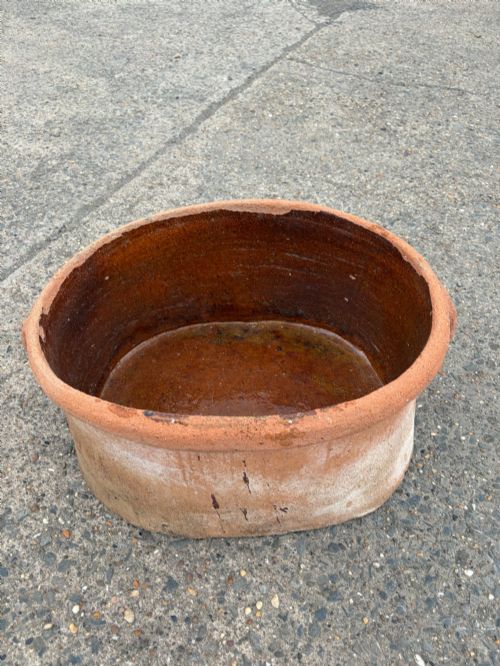
The most common examples on this page are Victorian Doulton Lambeth pieces, alongside older continental stoneware and rustic terracotta pieces. Forms vary widely from everyday kitchenalia and storage jars to exhibition ewers and art pottery vases.
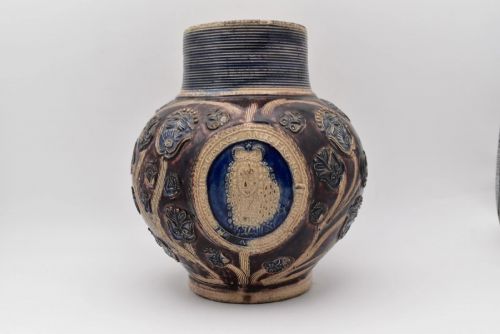
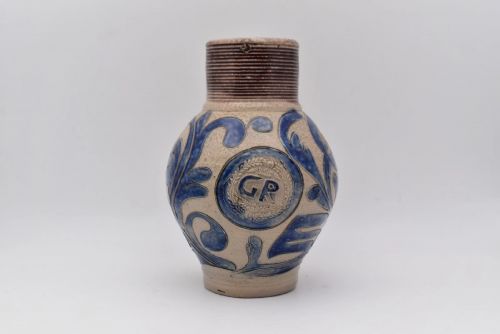
Earlier centuries are represented by Westerwald and German salt-glaze pieces, often featuring cobalt decoration or royal ciphers. These diverse objects share a robust ceramic build designed originally for holding liquids, preserves, or water.
Materials and firing methods
These vessels are primarily formed from dense clay and stoneware, fired at high temperatures until vitrified. The characteristic surface texture results from common salt thrown into the kiln during the peak of the firing process, vaporising to react with the silica in the clay body.
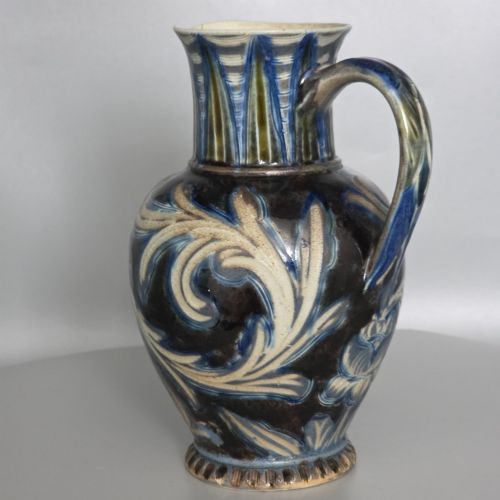
Cobalt oxide is frequently utilised for hand-painted or incised decoration beneath or within the glaze, producing deep blue highlights against grey or brown stoneware. Terracotta and earthenware variations rely on traditional glazing techniques rather than salt vapour.
Historic tavern keepers utilised turtle soup jars to serve luxury fare to patrons.
Factors determining quality
Quality in these ceramics rests upon the crispness of applied sprigged decoration, mask reliefs, and incised patterns. Finer pieces display deliberate artistry from known workshops, whilst utilitarian crocks focus purely on robust structural durability.
The uniformity and density of the salt-glaze finish also distinguish standard domestic items from exhibition-grade art pottery and special commemorative jugs. Intact original mounts, such as silver rims on beakers, elevate the standing of a piece.
Doulton Lambeth·Fulham Pottery·Roger Guerin·C and A Painter
The Salt Glazed Ceramic Vessel Glossary
- Salt Glaze
- A glossy, slightly textured finish resembling orange peel, created by introducing salt into the kiln at high temperatures. This chemical reaction forms a durable glassy coating directly on the ceramic body.
- Stoneware
- A dense, hard ceramic fired at high temperatures until non-porous and vitreous. It holds liquids securely without requiring interior glazing.
- Sprigged
- A decorative technique where separate moulded clay motifs are applied to the surface of a vessel before firing. These reliefs often depict heraldic crests, royal ciphers, or floral patterns.
- Westerwald
- A historic German region renowned for producing grey stoneware decorated with cobalt blue and manganese purple. These pieces often feature stamped medallions or incised geometric motifs.
- Tyg
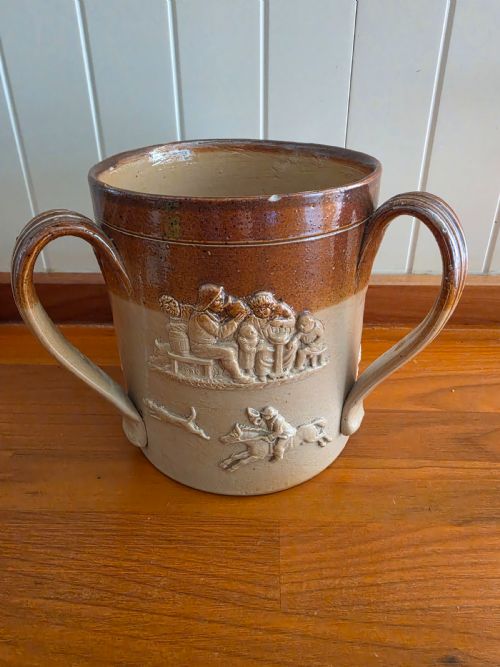
- A large drinking vessel featuring three or more handles designed for communal passing around a table. They appear frequently in sturdy seventeenth and eighteenth-century stoneware.
Salt Glazed Ceramic Vessel: Frequently Asked Questions
What is a salt glazed ceramic vessel used for?
Historically, these vessels served practical roles in domestic and commercial life for storing wine, oil, vinegar, water, and dried goods. Many functioned as heavy-duty kitchenalia, dairy crocks, or filtration units before becoming decorative display items.
Today, collectors use them primarily as interior vases, umbrella stands, or standalone decorative accents that highlight historical craftsmanship.
How do I identify a Westerwald jug?
Westerwald pieces are typically formed from grey German stoneware and often display cobalt blue painted or incised details. Look for applied moulded medallions, royal ciphers, and distinct mask decorations known as Bartmann or Bellarmine faces.
These pieces generally date from the seventeenth and eighteenth centuries and exhibit a characteristic salt-glazed texture.
Can I use these antique vessels with water?
Most salt-glazed stoneware vessels are naturally vitrified and waterproof due to the high firing temperatures used in their creation. They hold water safely for display as flower vases or pitchers.
Terracotta or porous earthenware variations require more caution and may need internal liners to protect surfaces from moisture seepage.
How are Doulton Lambeth pieces dated?
Doulton Lambeth wares often feature impressed factory stamps, artist initials, and specific model numbers on the base. Comparing these base marks against established pottery registries helps narrow down the production decade.
Stylistic shifts from utilitarian Victorian kitchenware to ornate Arts and Crafts or art pottery also provide clear chronological markers.