


Rustic Stoneware Vessel
A rustic stoneware vessel brings grounded texture and historic utility into a modern room.
Rustic Stoneware Vessel
When you search for a rustic stoneware vessel, you encounter utilitarian pots, jars, and bottles created for domestic and agricultural storage across past centuries. These pieces encompass dairy ware, kitchenware, and storage jars spanning periods from the seventeenth century through the Edwardian era.
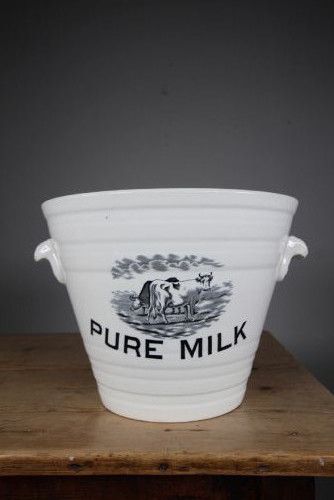
The selections on this page are heavily represented by French provincial kitchen pieces, including confit pots and oil jars, alongside German salt-glazed bottles and English dairy pails. Forms range from large confit pots and jugs to cooking dishes and barrels.
Originating predominantly from French and German workshops, alongside English examples, these items reflect the practical domestic requirements of rural households. Buyers meet vessels designed for holding milk, wine, oil, vinegar, and preserved food.
Materials and construction methods
Potters shaped these vessels from heavy local clays, earthenware, terracotta, and ironstone, throwing or hand-building forms suited to daily agrarian labour. The resulting body provides the dense, robust weight characteristic of utilitarian wares.
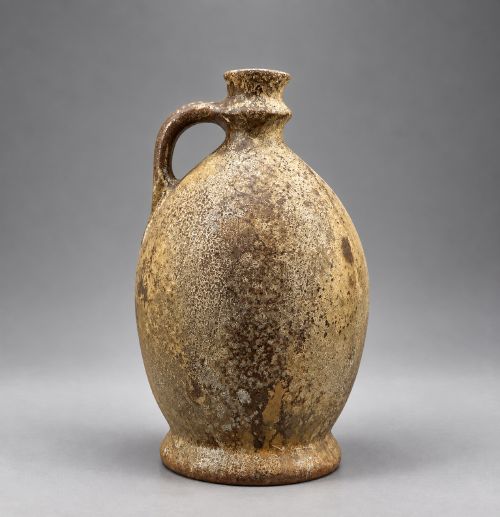
Surfaces frequently feature salt glaze or green glaze applications, sealing the porous ceramic body for liquid storage. Salt glazing produces a distinctive textured orange-peel finish during the high-temperature kiln firing.
Object forms on this page include French confit pots, German salt-glazed bottles, English dairy pails, and walnut oil jars.
Factors that distinguish individual examples
Quality rests in the integrity of the thrown form and the character of the surface glaze, whether a smooth green lead glaze or a pitted salt glaze. Strong proportions and honest signs of historic use elevate an individual piece.
The presence of specific decorative elements, such as mask decorations on German flagons or clear loop handles on wine bottles, separates standard utility items from more expressive examples of folk art.
The Rustic Stoneware Vessel Glossary
- Stoneware
- A robust ceramic fired at high temperatures until vitrified and rendered non-porous. This material withstands liquids without requiring complete interior glazing.
- Confit Pot
- A French earthenware or terracotta jar traditionally used for preserving and storing meats. These pots usually feature partial glazing and sturdy side handles.
- Salt Glaze
- A glossy, slightly textured finish achieved by throwing common salt into the kiln during high-temperature firing. The sodium reacts with the silica in the clay body.
- Terracotta
- Fired unglazed or slip-glazed clay ranging in colour from orange to brown. It forms the foundation for many traditional kitchen and garden wares.
- Ironstone
- A heavy, durable type of earthenware patented in the nineteenth century. It bridges the gap between common pottery and fine porcelain.
Rustic Stoneware Vessel: Frequently Asked Questions
What were these vessels used for?
These vessels served essential domestic and agricultural functions in rural homes and dairies. They held daily provisions including milk, cooking oils, vinegar, wine, and preserved meats.
Larger jars and confit pots stored bulk foodstuffs in pantries and cellars. Smaller bottles and flagons transported liquids for table use.
How do I date an antique vessel?
Dating relies on examining the potting technique, clay body, glaze characteristics, and any distinct regional form traits. Seventeenth and eighteenth-century pieces often display heavier thrown bodies and specific salt-glaze textures.
Nineteenth-century examples frequently show French provincial or English dairy characteristics. Comparing handle formations and surface wear against documented periods aids verification.
Are these pots waterproof?
Many of these vessels feature salt glazes or interior lead glazes designed to hold liquids safely. However, porous terracotta and earthenware bodies can occasionally weep moisture over extended periods.
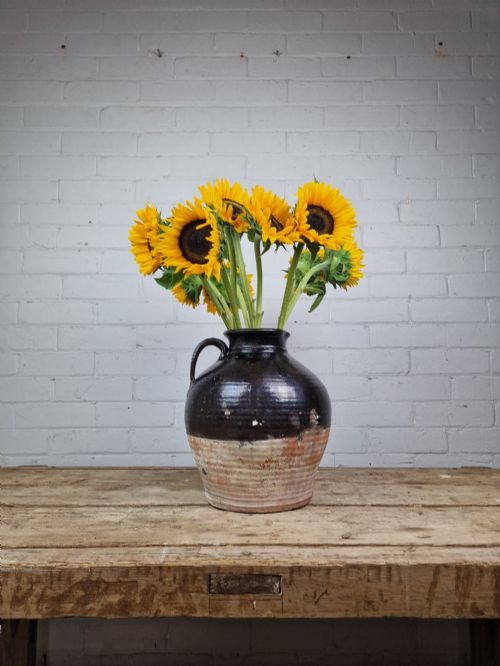
Using a protective liner inside historic jars prevents damage when displaying fresh flowers or holding water indoors.
How should I display them at home?
These vessels suit rustic, traditional, and contemporary minimalist interiors alike as sculptural focal points. Grouping confit pots on a kitchen shelf or placing a single salt-glazed flagon on a wooden table highlights their texture.
Their neutral earthy tones and aged surfaces complement natural wood, stone, and linen textures.