


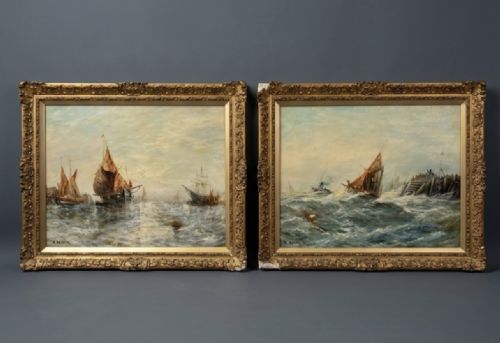
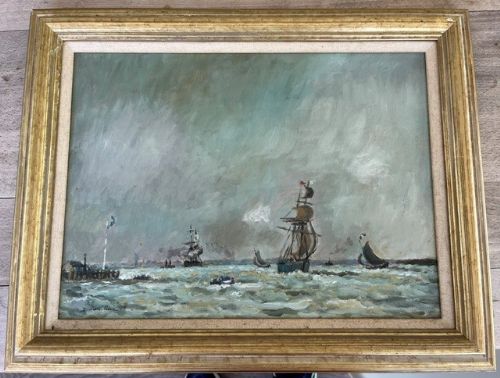


Sailing Ship Sea Painting
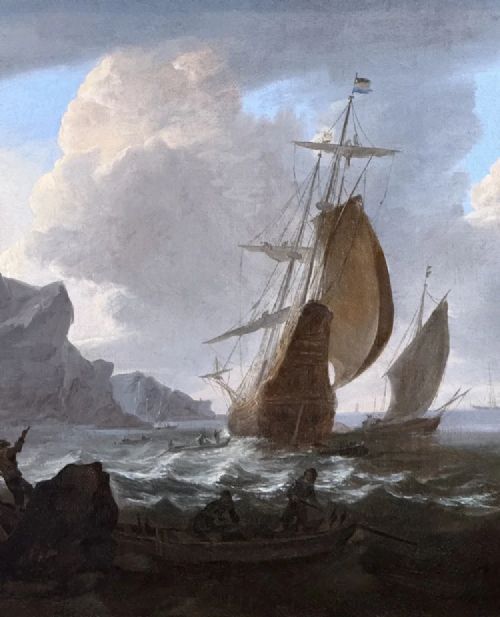
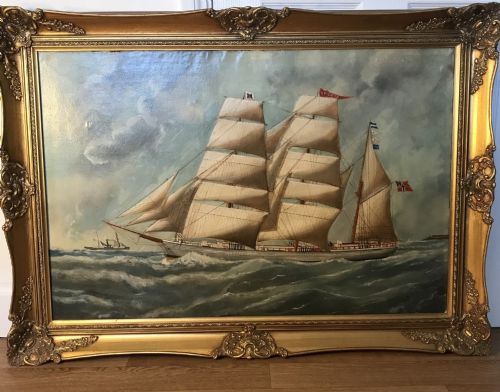
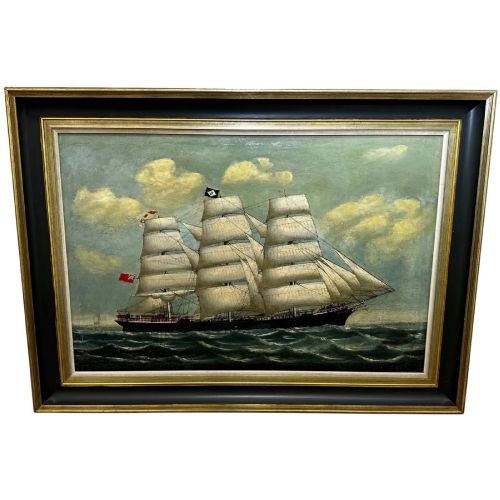
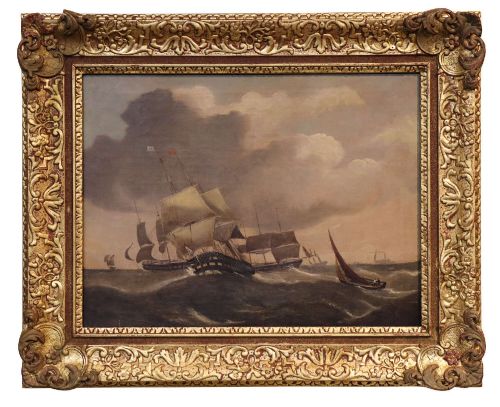
A sailing ship sea painting captures the movement and danger of ocean voyages on canvas, paper or board.
Sailing Ship Sea Painting
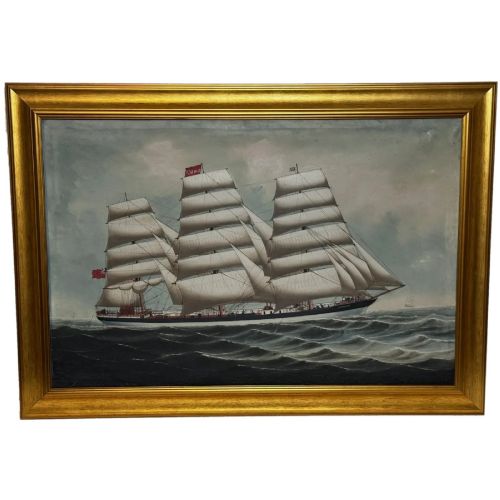
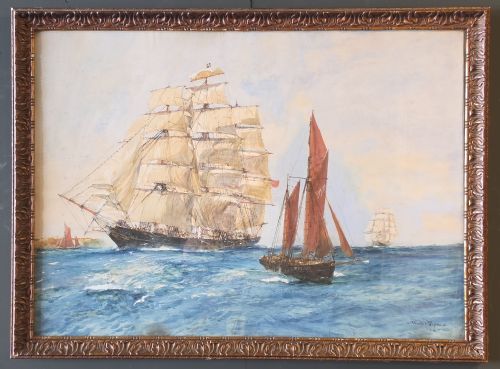
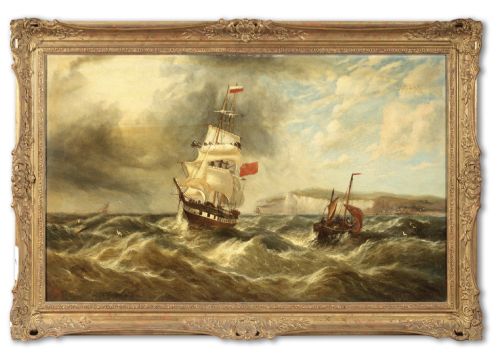
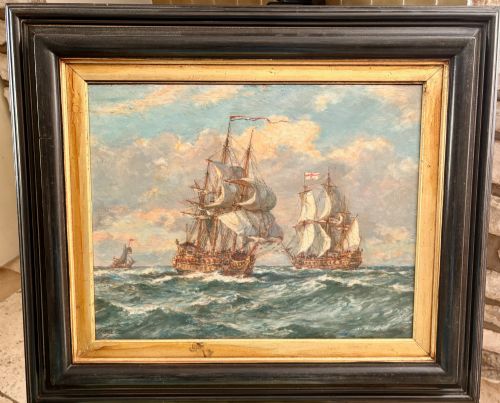
A sailing ship sea painting depicts vessels ranging from nineteenth-century clippers and three-masted barques to eighteenth-century warships and Dutch fishing boats. These works record naval engagements, stormy coastal waters, and quiet anchorages near lighthouses.
Most pieces encountered on this page date from the Victorian and Edwardian periods, executed in oil on canvas, oil on board, or watercolour. Alongside traditional framed flat artwork, buyers also find maritime dioramas and folk art representations.
The subjects focus heavily on named vessels and specific maritime routes, offering a direct record of merchant shipping and naval history. Artists documented everything from high seas gales to calm coastal passages.
How They Were Made
Painters used oil paint on canvas, board, or card, building up layers to capture the translucency of water and the dense white of billowing sails. Watercolours on paper offered a lighter medium for swift sketches and detailed atmospheric studies of coastal light.
Frames played an integral part in presentation, frequently employing giltwood to complement the maritime scenes within. Dioramas introduced mixed media, combining carved wooden ship models with glass and painted backgrounds to create three-dimensional depth.
Materials span oil on canvas, oil on board, watercolour on paper, and glass-fronted wooden dioramas.
What Varies In Quality
Quality rests upon the artist's command of maritime architecture and rigging accuracy, distinguishing skilled marine painters from casual practitioners. Works by known hands demonstrate precise understanding of how wind and swell interact with a ship's hull.
Handling of light and atmosphere separates ordinary records from compelling paintings. The finest examples convey the palpable weight of heavy seas and the specific quality of coastal weather rather than generic waves.
Reginald Arthur Borstel·Charles Edward Dixon·John Rose Miles·Bernard Gribble·Bonaventura Peeters·Lai Fong·Daniel Sherrin·George Shaw·Dion Pears·Samuel Owen·George Gregory·Thomas Bush Hardy·Ebeneezer Colls·Joseph Heard·William Langley
The Sailing Ship Sea Painting Glossary
- Barque
- A sailing vessel with three or more masts, having fore-and-aft sails on the rear mast and square sails on the others. This rig proved popular for long-distance ocean voyages.
- Diorama
- A three-dimensional display enclosing carved or modelled ships within a framed case. These pieces often incorporate painted backgrounds and textured sea surfaces.
- Giltwood
- Wood carved and coated with gold leaf or a gold-coloured finish. It frequently frames nineteenth-century marine art.
- Seascape
- A work of art depicting the sea, coastal views, or naval actions. These scenes range from calm waters to violent gales.
Sailing Ship Sea Painting: Frequently Asked Questions
What periods do these paintings cover?
The available selection spans from seventeenth-century works through eighteenth- and nineteenth-century canvases up to mid-twentieth-century examples. Victorian and Edwardian pieces form the majority of the current items.
Dates are established through signatures, period framing styles, and the specific types of vessels depicted in the rigging.
How do I identify a ship portrait?
A ship portrait focuses primarily on documenting a specific named vessel with accurate rigging, flags, and hull details. These works were often commissioned by captains or shipping lines.
Backgrounds typically feature the vessel off a known coastline or entering port rather than engaging in dramatic weather.
Were all these works painted in Britain?
While many pieces originate from British artists and schools, the inventory includes Dutch, French, and Australian works. Marine art naturally crossed borders as artists travelled to major ports.
Subject matter ranges from English lighthouses and the Channel to Dutch gales and open ocean passages.
How should I frame and hang a maritime oil?
Oil paintings on canvas and board require stable indoor humidity away from direct sunlight to protect the paint surface and ground. Original giltwood frames complement the traditional aesthetic of these works.
Ensure wall fixings match the weight of the frame and glass, particularly for larger canvases or heavy dioramas.