



Sailing Boat Seascape Art
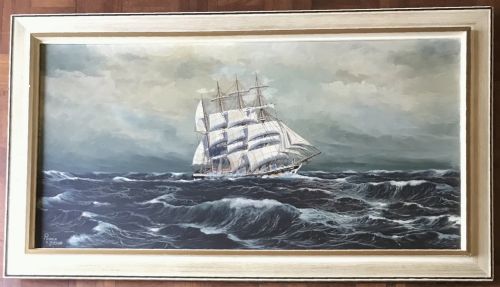
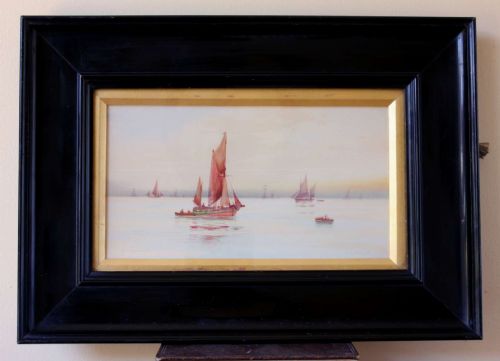
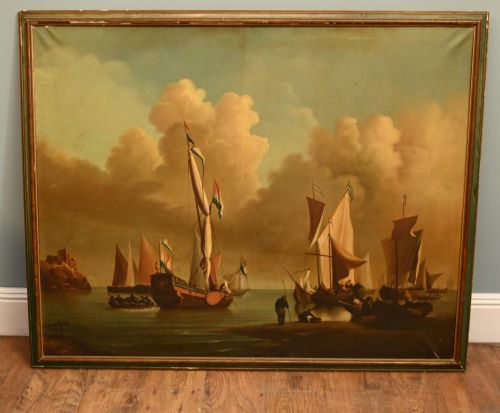
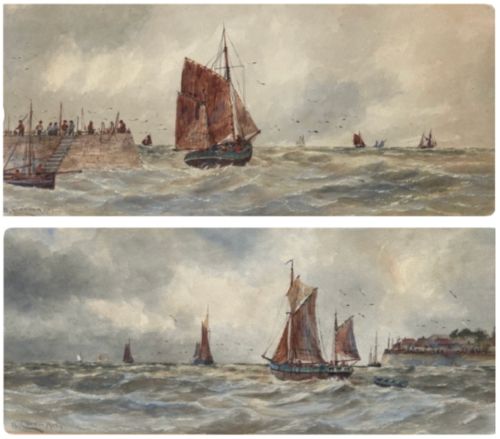
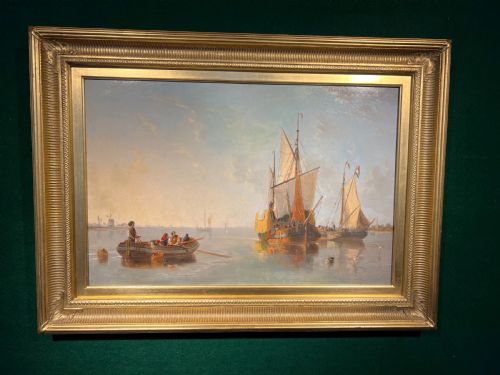
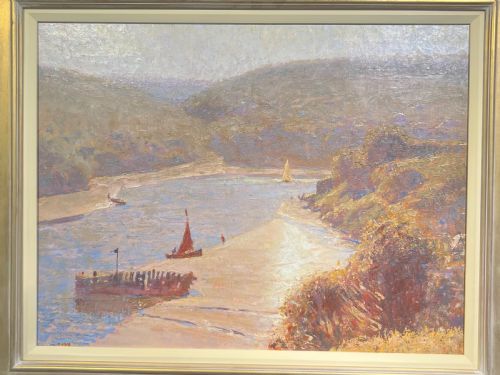
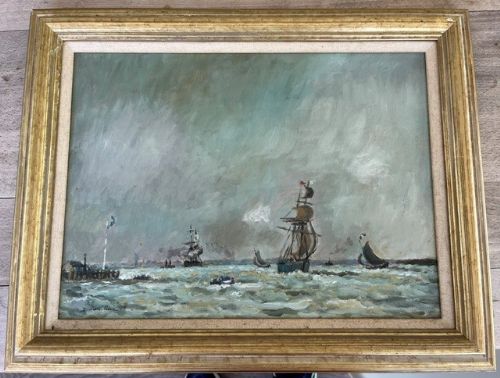
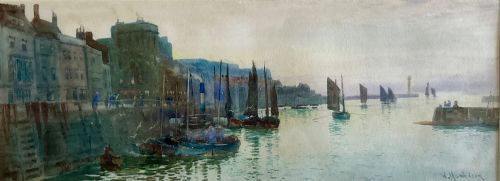
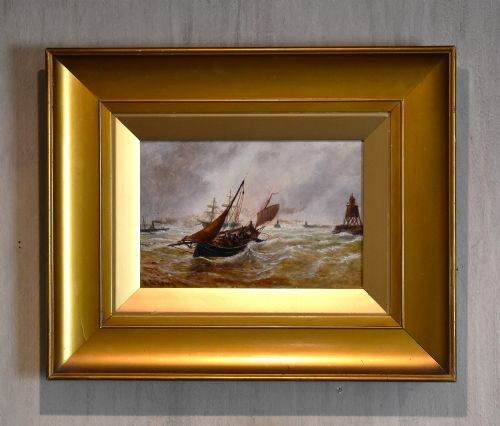
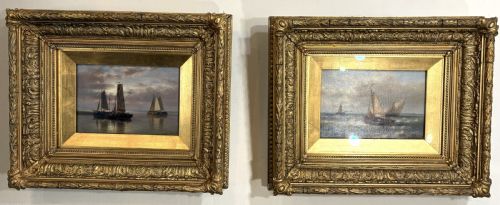
Sailing boat seascape art captures maritime life through oil on canvas and delicate watercolour paintings.
Sailing Boat Seascape Art
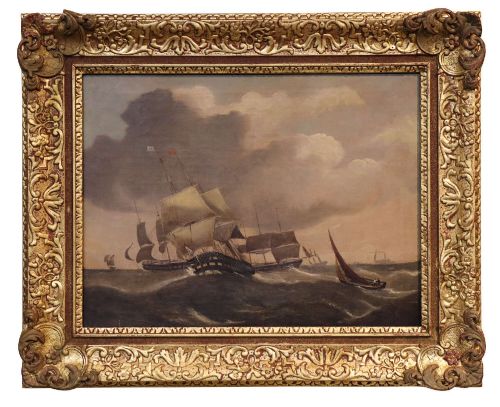
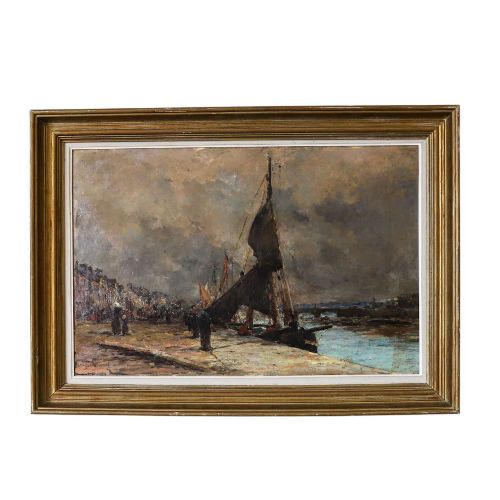
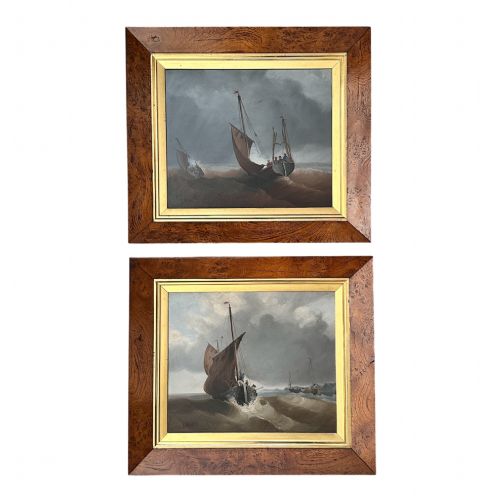
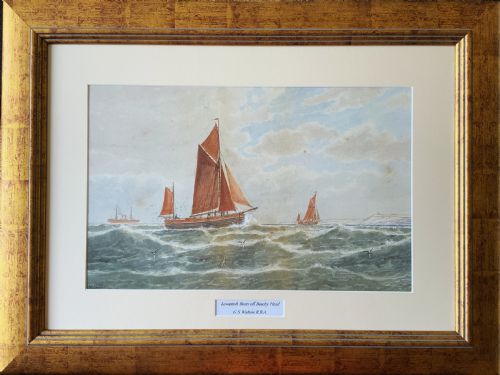
Sailing boat seascape art encompasses framed artwork depicting coastal scenes, harbours, and open water vessels. These pieces range from turbulent historical naval engagements to calm depictions of fishing boats returning to port.
The selection here draws heavily from nineteenth-century and early twentieth-century traditions, including Victorian marine works and British Impressionist interpretations. Buyers encounter oil paintings on canvas or board alongside detailed watercolour paintings on paper.
Most examples originate from British and European schools, capturing specific locations such as Whitby, Lowestoft, and the Dutch coast. Subjects vary from solitary yachts to bustling commercial shipping lanes and stormy seas.
How they were made
Artists painted primarily with oil paint on stretched canvas, wood panel, or heavy card, building texture and depth with brushwork or impasto. Watercolours on paper offer a lighter, translucent alternative often favoured for atmospheric coastal views.
Frames play a vital role in presentation, frequently utilising original gilt wood moulding to complement the maritime subject matter. Support materials range from early canvas structures to sturdy board substrates.
Sailing Boat Seascape Art Retail Price Guide 2026
Typical asking prices for sailing boat seascape art among the pieces listed under this phrase on Sellingantiques today, from the lower quarter to the upper quarter. They describe what is for sale here now, not the wider market.
Several canvases record salty winds and stormy waters that nearly swept the easel away.
What varies in quality
Quality rests upon the artist's ability to render maritime movement, atmospheric light, and accurate rigging on vessels. The handling of water, wind, and sky separates competent topographical records from truly compelling artistic interpretations.
Condition of the medium and frame preservation influence desirability. Intact original gilt wood frames and stable paint surfaces without extensive restoration command greater appreciation.
John Wilson Carmichael·John Moore of Ipswich·Thomas Bush Hardy·George Stanfield Walters·Edward Seago·Abraham Hulk Snr
The Sailing Boat Seascape Art Glossary
- Oil on Canvas
- A painting medium where pigments suspended in drying oil are applied to stretched fabric. This technique allows for rich colour blending and textured impasto effects.
- Watercolour
- A paint consisting of colour pigments suspended in a water-soluble vehicle, typically applied to paper. It yields luminous, transparent washes ideal for capturing shifting coastal light.
- Gilt Wood
- Timber treated with gold leaf or metallic gilding powder. Frames finished in this manner were designed to enhance the visual impact of maritime paintings.
- Impasto
- Paint applied thickly to a canvas so that brush or palette knife marks remain visible. This technique adds tactile dimension to turbulent seas and heavy skies.
Sailing Boat Seascape Art: Frequently Asked Questions
How do I care for antique marine paintings?
Keep oil and watercolour artworks away from direct sunlight and excessive humidity to protect the pigments and paper. Avoid hanging them near heat sources that might dry out canvas or crack wooden frames.
Dust gently with a soft, dry brush without applying pressure to the painted surface. Consult a professional conservator before attempting any cleaning.
How can I tell the period of a seascape?
Examine the vessel types, rigging styles, and clothing of any figures depicted within the composition. Steamships and ironclads point towards later periods, whereas wooden sailing vessels dominate earlier centuries.
Frame construction, canvas backing materials, and artist signatures or exhibition labels also provide reliable dating clues.
What is the difference between oil and watercolour?
Oil paintings utilise viscous pigments on canvas or board, allowing for deep colour saturation and heavy texture. Watercolours employ water-soluble paints on paper beneath protective glass.
Oils generally present a more robust surface, whilst watercolours capture delicate atmospheric effects with translucent washes.
Where were these maritime scenes usually painted?
Artists often worked directly along bustling fishing ports, coastal cliffs, and river estuaries across Britain and Europe. Popular locations included Yorkshire coastal towns, East Anglian harbours, and Dutch waterways.
Many painters also studied naval traffic from the shore to accurately portray shipping in heavy seas.