


Framed Ocean Wall Art
Framed ocean wall art captures the movement and vastness of the sea through historic paintings and prints.
Framed Ocean Wall Art
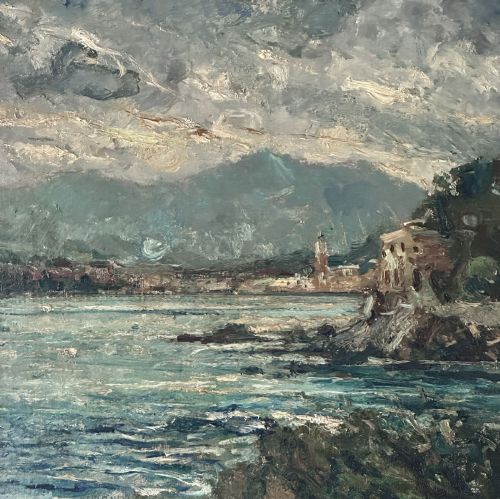
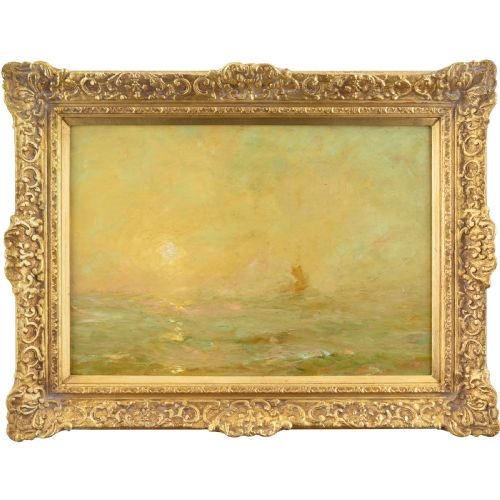
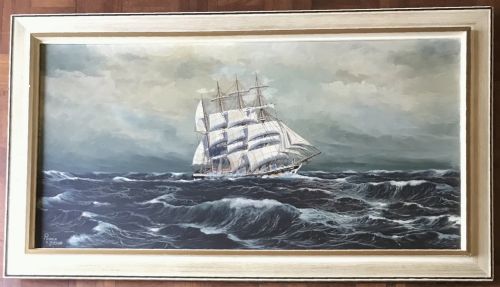
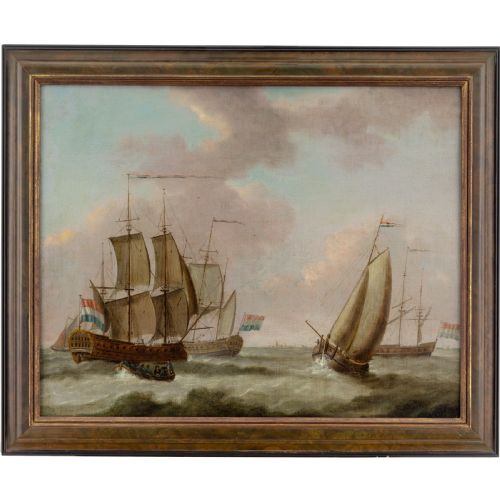
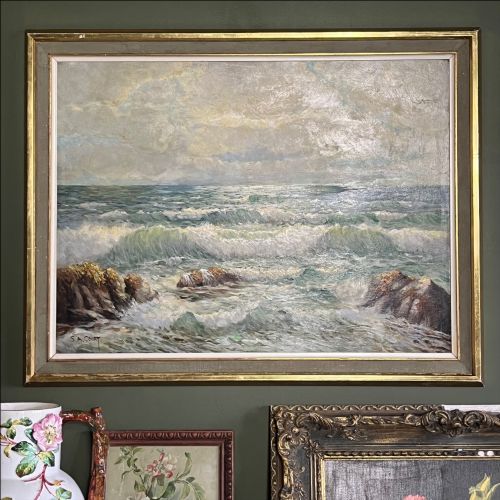
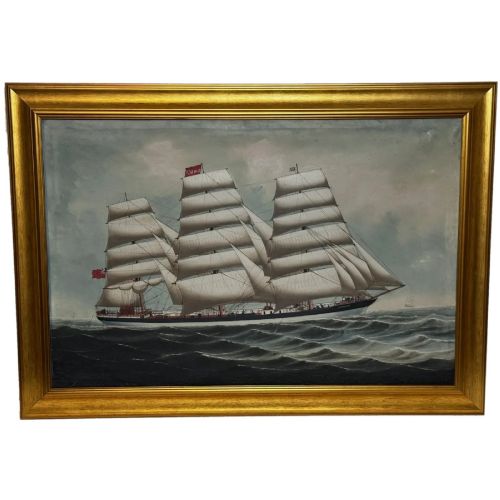
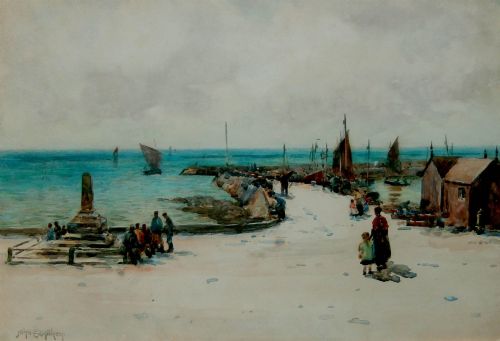
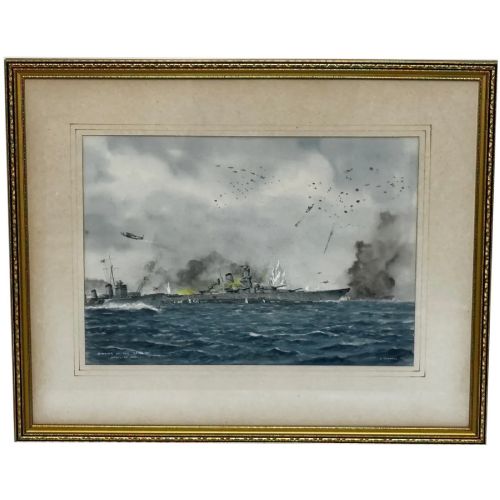
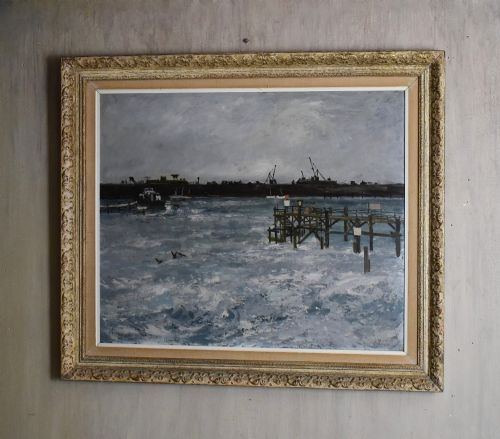
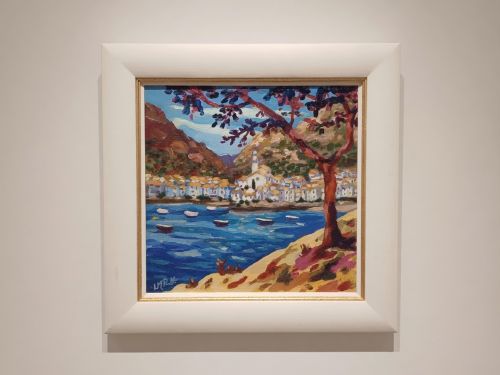
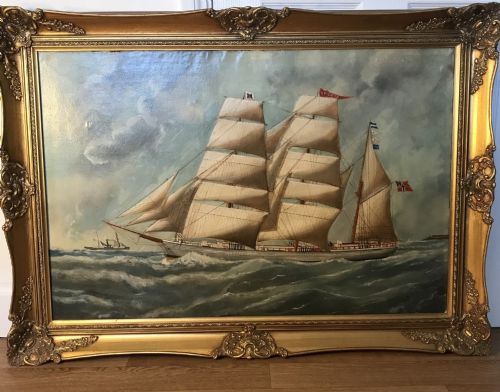
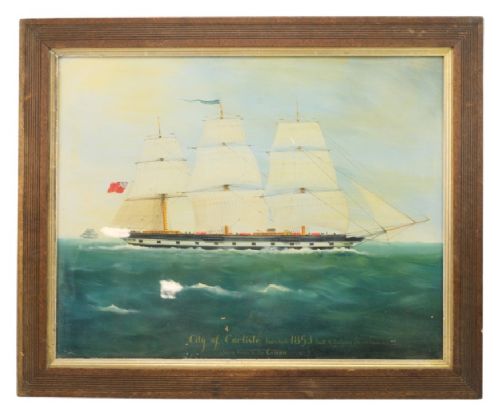
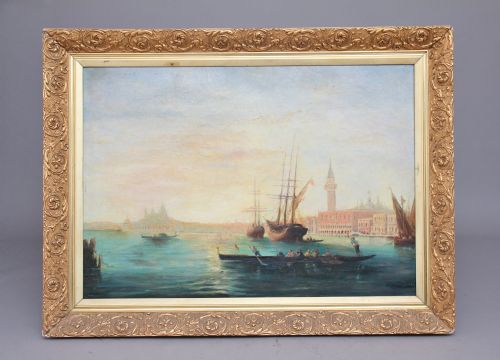
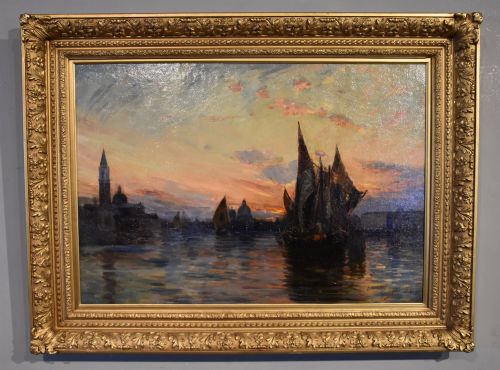
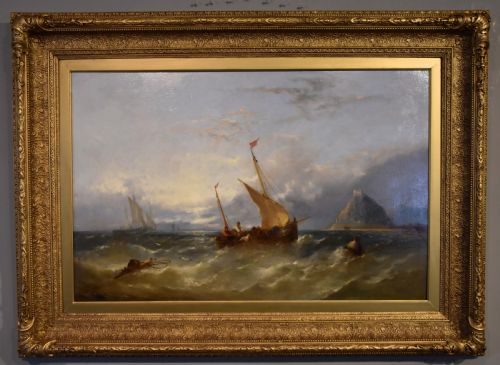
Framed ocean wall art encompasses historical marine paintings, watercolours and gouache works depicting coastal scenes, rough seas and sailing vessels. These pieces range from Victorian maritime oils to mid-twentieth-century coastal landscapes.
Buyers encounter works executed on canvas, wood, paper and board, often retained within period frames including gilt wood designs. The subjects stretch from Cornish harbours and Dutch gales to Venetian lagoons and naval engagements.
The selection reflects traditional British and European marine art spanning the nineteenth century through the 1960s. Common formats include oil paintings, detailed watercolour studies and framed prints.
Materials and Technique
Artists utilised oil on canvas or wood panels to build rich coastal textures, often applying paint en plein air to capture immediate atmospheric conditions. Watercolour and gouache on paper offer finer, fluid renderings of sea spray and sky.
Support materials include prepared canvas, sturdy wood boards and heavy paper, frequently housed behind glass where watercolours or prints require protection. Frames constructed from wood, sometimes finished with gold leaf, enclose the works.
Framed Ocean Wall Art Retail Price Guide 2026
Typical asking prices for framed ocean wall art among the pieces listed under this phrase on Sellingantiques today, from the lower quarter to the upper quarter. They describe what is for sale here now, not the wider market.
Several Victorian captains commissioned pierhead paintings simply to prove their ships looked heroic in heavy seas.
Quality Variations
The success of a piece rests on the artist's ability to render the weight of water, the play of light on waves and the accurate rigging of vessels. Works by established marine painters display a confident handling of atmosphere and movement that distinguishes them from simpler decorative items.
Material preservation significantly shapes the character of these works, from the stability of the canvas or board to the integrity of the original gilt frame. Stronger examples maintain their original surface pigment without extensive overpainting.
Reginald Arthur Borstel·Sidney A Court·John E Aitken·Eric Tufnell·William Banks Fortescue·John Rose Miles·Bonaventura Peeters·F Corpuz·Lucy Pratt·Peter Brannan·Nicholas Condy·Thomas Hodgson Liddell·William Henry Williamson·George Stanfield Walters·Warwick Goble·John Moxon·Elisabeth Bardon·Charles William Adderton·Charles Napier Hemy·Norman Lloyd·Gustave De Bréanski·Daniel Sherrin·William Greaves·Abraham Hulk Snr·Charles Sim Mottram
The Framed Ocean Wall Art Glossary
- En plein air
- Painting outdoors to capture direct observations of natural light and weather. This method produces lively depictions of coastal air and shifting seas.
- Gouache
- An opaque water-based medium that allows for rich, solid areas of colour. It appears frequently in detailed marine paintings on board or paper.
- Impasto
- Paint applied thickly to a surface so that it stands out in relief. This technique gives physical texture to crashing waves and billowing sails.
- Pierhead painting
- A specialised nineteenth or early twentieth-century portrait of a specific merchant vessel, usually commissioned by its captain or owner. These works emphasise accurate ship details and rigging.
- Gilt wood
- Wood carved and coated with gold leaf or metallic paint. It frames many traditional marine oils from the Victorian and Edwardian eras.
Framed Ocean Wall Art: Frequently Asked Questions
What subjects appear in vintage marine art?
These works typically depict sailing ships, coastal harbours, lighthouses and stormy seas. Scenes range from local fishing boats off the British coast to international merchant vessels and naval battles.
Artists also recorded specific locations such as Cornwall, Venice and the Dutch coast, capturing the changing moods of the ocean.
How do I care for framed oil paintings?
Oil paintings require stable indoor environments away from direct sunlight and excessive humidity. Keep the canvas clean by gently dusting the surface and the surrounding frame with a soft, dry brush.
Avoid using water or chemical cleaners on the paint surface. Ensure the piece hangs securely away from direct heat sources.
How can I tell the period of a painting?
Dating often relies on the style of the clothing, the type of vessel depicted, and the construction methods of the stretcher or frame. Signatures, dates inscribed on the reverse, and artist biographical records provide further confirmation.
Victorian and Edwardian works often feature heavier gilt frames and specific riggings associated with nineteenth-century shipping.