





Rustic Wooden Wall Shelves
These rustic wooden wall shelves bring practical storage and honest craft to any room, rooted in centuries of vernacular design.
Rustic Wooden Wall Shelves
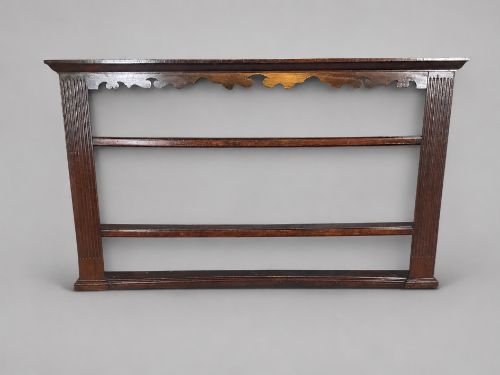
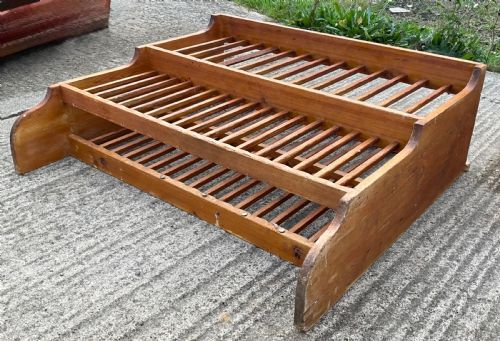
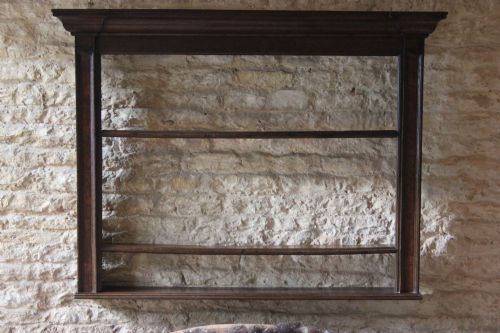
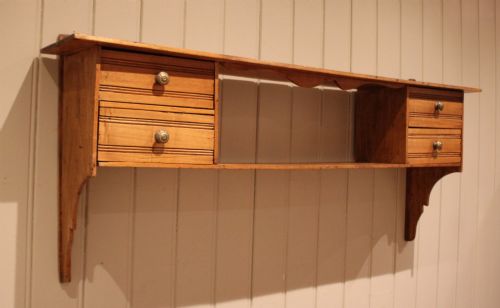
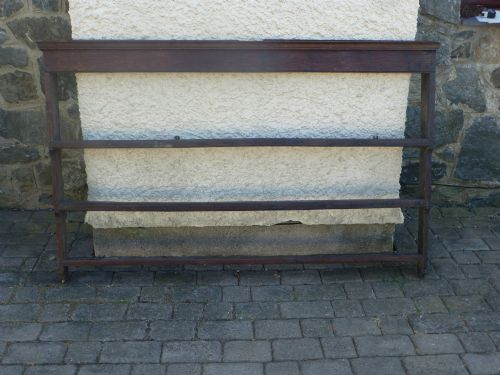
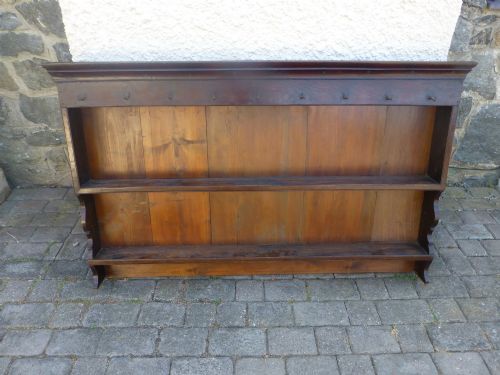
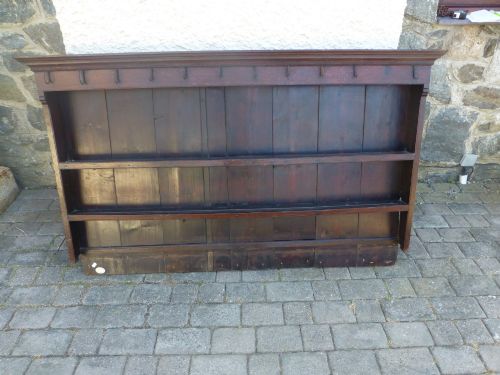
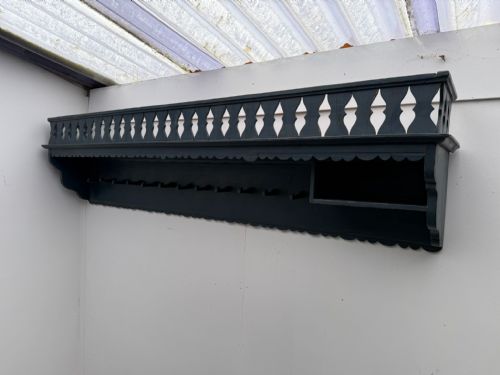
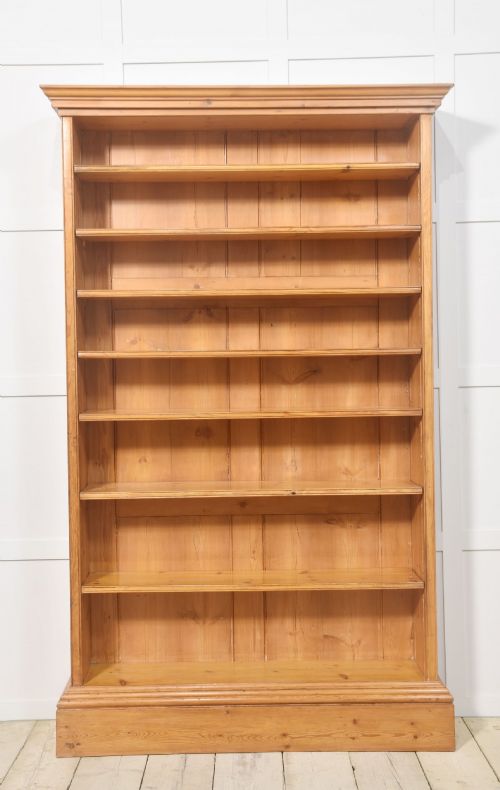
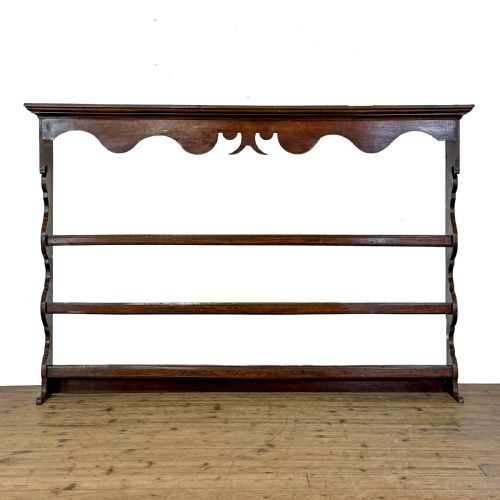
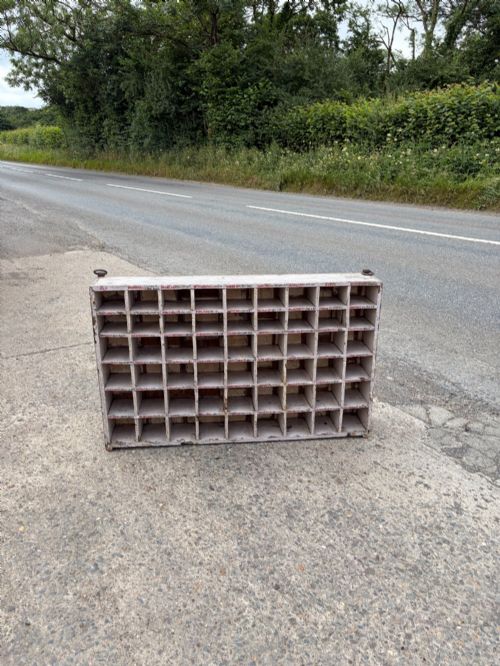
When buyers search for rustic wooden wall shelves, they encounter wall-mounted storage forms such as plate racks, pigeon holes, open bookcases, coat racks, and small cupboards.
The most common examples on this page are oak and pine dresser racks and wall-hanging shelves dating from the eighteenth century through the early twentieth century.
Originating across English, French, Hungarian, and Italian provincial traditions, these pieces served practical domestic purposes in kitchens, hallways, and living spaces.
Materials and construction
Makers utilised solid timbers predominantly, with oak and pine forming the structural core of most pieces alongside occasional walnut, poplar, and painted wood surfaces.
Iron and brass fittings such as hinges, hooks, and brackets appear frequently, while hand-applied paint in colours like Pompeian Ash or traditional blue provides historical surface finishes.
Carpentry techniques rely on straightforward pegged or joined construction suited to utility, reflecting the vernacular workshops and country traditions from which they emerged.
Rustic Wooden Wall Shelves Retail Price Guide 2026
Typical asking prices for rustic wooden wall shelves among the pieces listed under this phrase on Sellingantiques today, from the lower quarter to the upper quarter. They describe what is for sale here now, not the wider market.
Listings span the eighteenth century to the 1930s, featuring regional oak and pine forms from English, French, Italian, and Hungarian traditions.
Judging quality in country wall furniture
Quality rests in the integrity of the timber, the preservation of original surfaces or early paint, and the balance of proportions across the assembled shelves and backing boards.
Pieces that retain their original structural fixings, backboards, and honest patina without excessive modern intervention command greater respect among collectors of country furniture.
The Rustic Wooden Wall Shelves Glossary
- Delft rack
- A wall-mounted wooden rack specifically designed for displaying plates and ceramics upright on grooved shelves. These frequently form part of eighteenth-century dresser groupings.
- Pigeon holes
- A grid of small rectangular compartments used for sorting documents, letters, or small objects. Early twentieth-century examples often appear in pine or oak.
- Arts and Crafts
- A design movement spanning the late nineteenth and early twentieth centuries that prioritised traditional craftsmanship and simple, unpretentious wooden forms.
- Provincial
- Refers to furniture made in regional areas outside metropolitan centres, often displaying local timber choices and straightforward, practical construction methods.
Rustic Wooden Wall Shelves: Frequently Asked Questions
How were these wall shelves used originally?
These pieces served practical storage roles in domestic interiors, holding ceramic plates in kitchens, sorting paperwork in offices, or hanging coats and hats in hallways.
Plate racks kept tableware accessible and displayed, while pigeon holes and small cupboards organised household goods before modern fitted cabinetry became standard.
Where should I hang these shelves?
Kitchens, hallways, and dining rooms suit these pieces best, providing both display space and practical storage for everyday items.
Ensure the wall fixings match the weight of solid oak or pine timbers and secure the piece directly into wall studs or masonry.
How do I date a wooden wall shelf?
Dating relies on examining the timber species, construction joints, tool marks, and any surface treatments or early paint layers present on the boards.
Eighteenth-century examples typically show hand-sawn board marks and pegged joints, whereas later nineteenth and twentieth-century pieces incorporate machine-cut elements.
Are painted finishes period-correct?
Many country pieces received coats of paint during their working lives to protect the timber or refresh farmhouse interiors.
Historical mineral paints and traditional colours appear frequently on regional furniture, adding character alongside pieces with bare waxed oak or pine.