

Rustic Wooden Seat Chairs
Rustic wooden seat chairs bring vernacular character to domestic interiors through honest construction and time-worn timber surfaces.
Rustic Wooden Seat Chairs
Rustic wooden seat chairs encompass a variety of seating forms designed for functional utility in kitchens, cottages, and farmhouses. These pieces span periods from the eighteenth century through the early twentieth century, reflecting regional vernacular traditions across England, France, and Scandinavia.
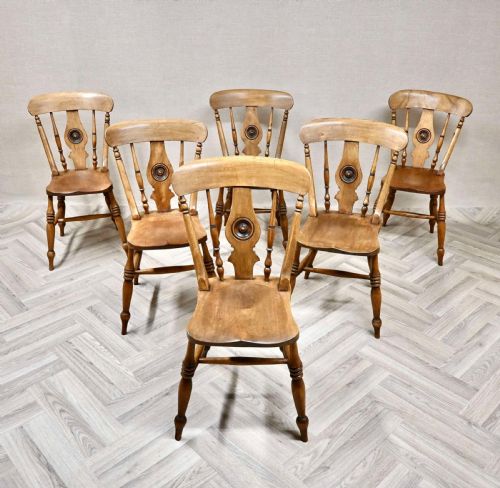
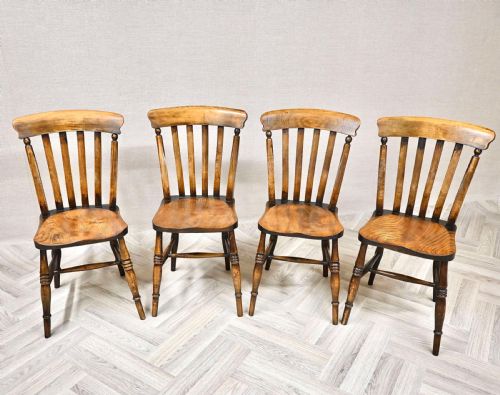
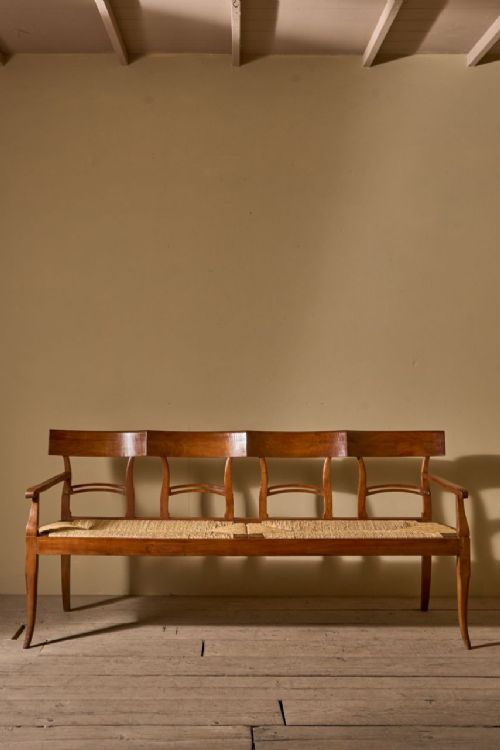
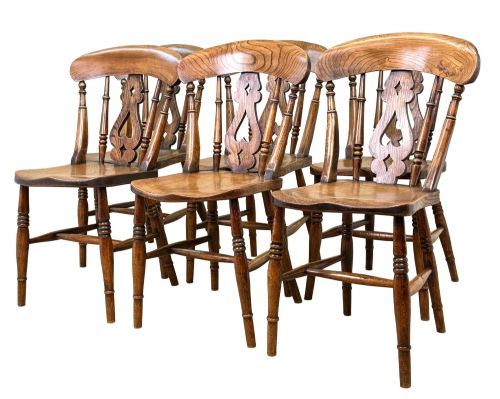
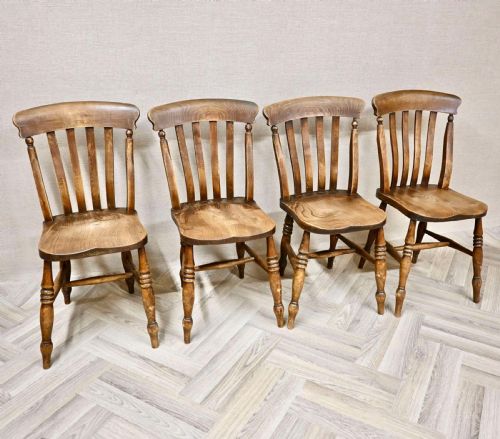
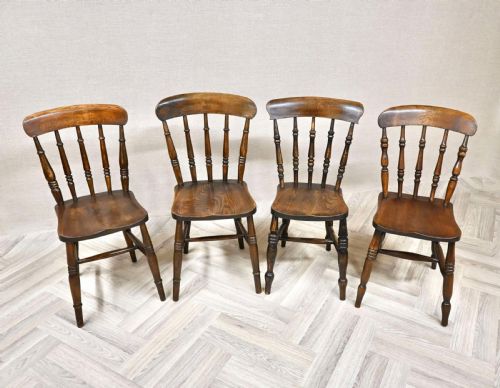
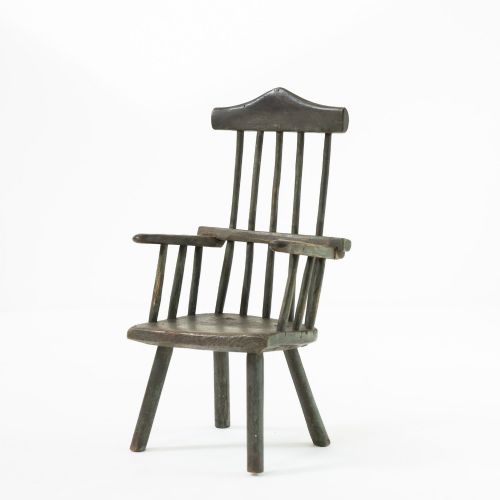
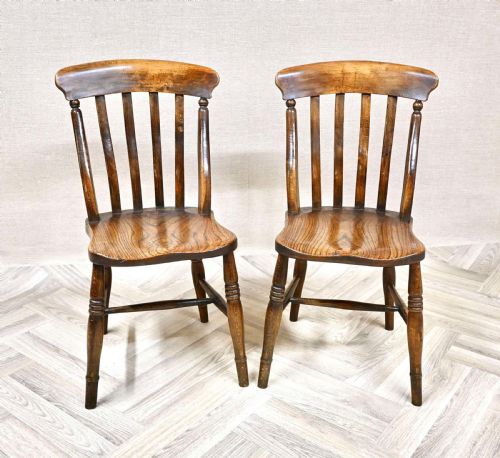
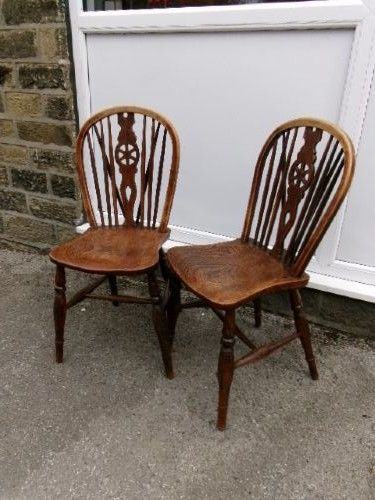
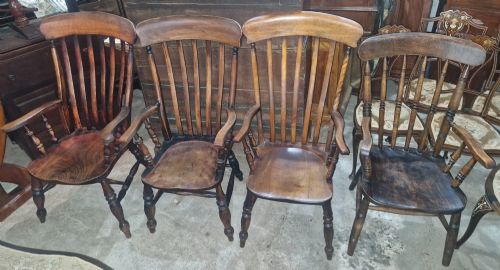
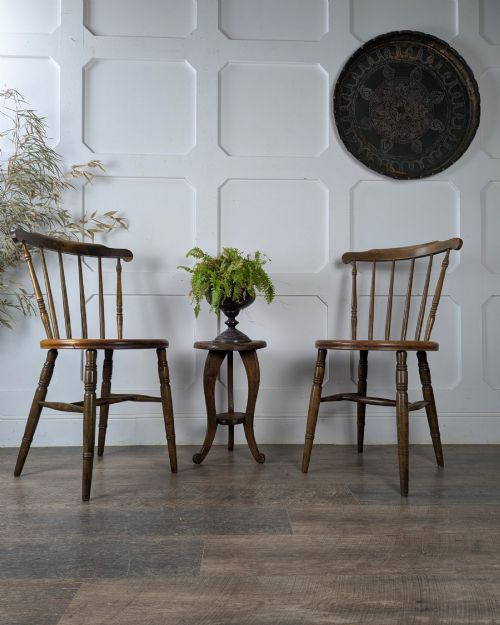
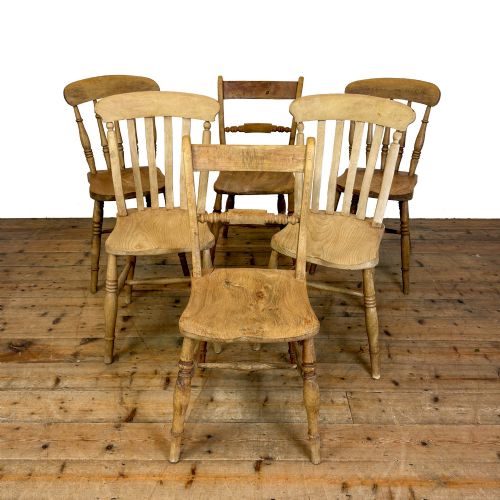
Buyers frequently encounter dining chairs, armchairs, benches, and bar stools shaped from solid native hardwoods. Common configurations include Windsor designs with hoop backs, comb backs, and wheel backs, alongside ladderback and spindle-backed variants.
Makers utilised local timber to build sturdy seating suited for daily domestic use. Harlequin sets and matched groups appear alongside individual armchairs and children's versions.
Construction and Materials
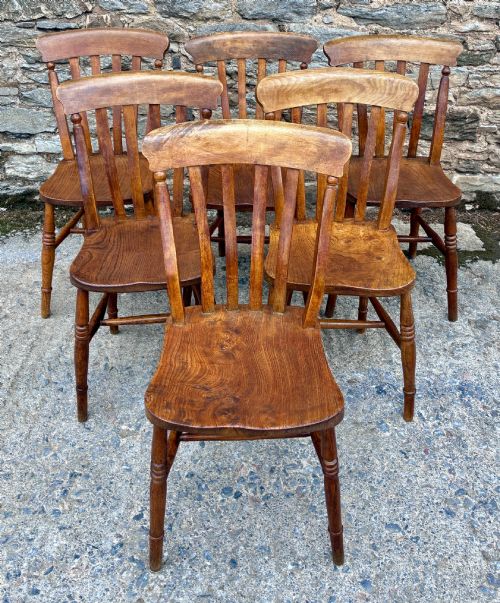
Makers combined contrasting native timbers to maximise strength in different parts of the chair. Seats were commonly carved from solid elm or pine, while spindles, legs, and bows relied on ash, beech, oak, or yew.
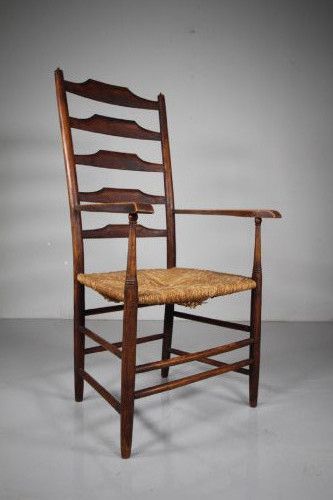
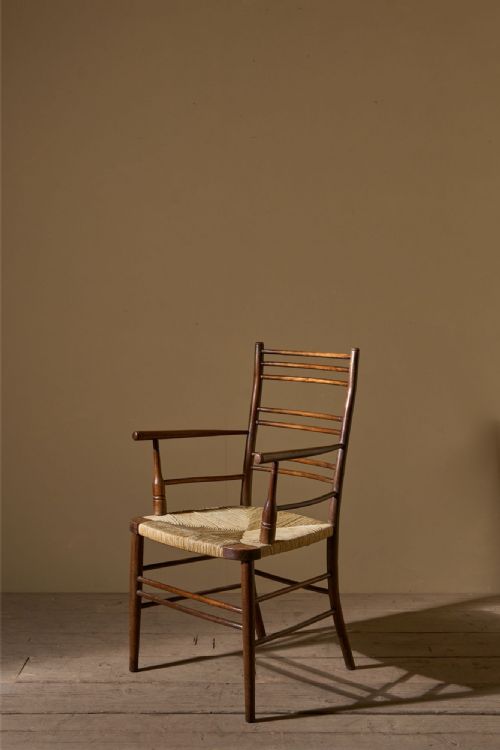
Traditional joinery techniques involved wedged tenons and steam-bent wood to create resilient frames without metal fixings. Rush seating also appears, woven directly onto timber frames for kitchen and dining chairs.
Listings feature elm, ash, beech, oak, and rush across eighteenth-century and nineteenth-century forms including settles, benches, and rocking chairs.
Quality Variations
The sophistication of the timber turning and the depth of the saddle-shaped seat distinguish simpler vernacular work from finer workshop production. Expert shaping of arm bow joints and the grace of spindle sweeps elevate regional pieces.
The integrity of the original wood surface, whether showing clean grain or layers of early paint, dictates the visual depth of the piece. Subtle patination accumulated through decades of use separates well-preserved examples from heavily restored ones.
Philip Clissett
The Rustic Wooden Seat Chairs Glossary
- Windsor chair
- A chair built with a solid wooden seat into which the legs and back spindles are direct-tenoned. These chairs developed distinct regional back styles such as hoop, comb, and wheel.
- Vernacular
- Objects designed by local craftsmen following traditional regional patterns rather than high-style metropolitan fashions. These pieces prioritise utility and local material availability.
- Saddle seat
- A wooden seat base carved into a concave shape to replicate the comfort of an equestrian saddle. This shaping is typical of better-quality Windsor armchairs.
- Harlequin set
- A collection of dining chairs that share similar forms, periods, or materials while differing slightly in individual detail. Such sets were assembled over time rather than purchased as a single factory batch.
Rustic Wooden Seat Chairs: Frequently Asked Questions
What periods do these chairs come from?
The selection includes pieces spanning the eighteenth century, the Georgian era, and the Victorian period, extending into Edwardian and early twentieth-century examples.
Craftsmen produced these vernacular forms across generations using traditional local methods that changed very little over time.
Which woods were used for the seats?
Elm is the primary timber found in the solid carved seats because its interlocking grain resists splitting under pressure. Pine also appears in bench forms and simpler kitchen seating.
Makers paired these solid seats with ash, beech, oak, or yew for the turned legs, spindles, and arm bows.
How do I care for rustic wooden chairs?
Maintain the timber by applying natural beeswax periodically to nourish the dry wood and preserve the surface sheen. Avoid placing the chairs near direct heat sources or in extreme humidity.
Gentle dusting with a soft cloth prevents dirt accumulation in the carved details and spindle joints.
Are harlequin sets matching chairs?
Harlequin sets consist of individual chairs that share a common style, period, or material but vary in minor decorative details. These groupings were gathered together over time rather than manufactured as a single uniform suite.
They offer a gathered, authentic look for farmhouse dining tables.