
Georgian Style Country Chair
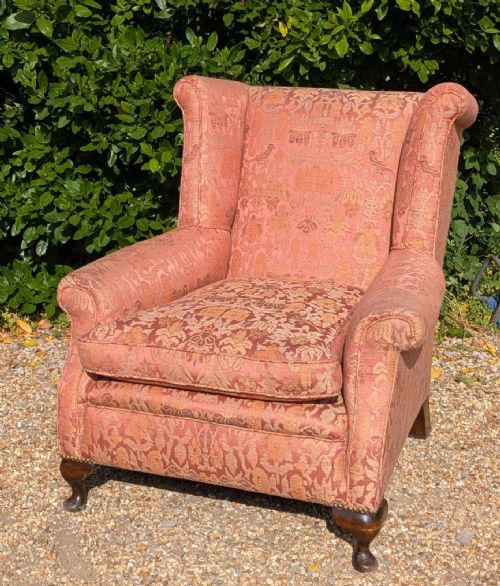
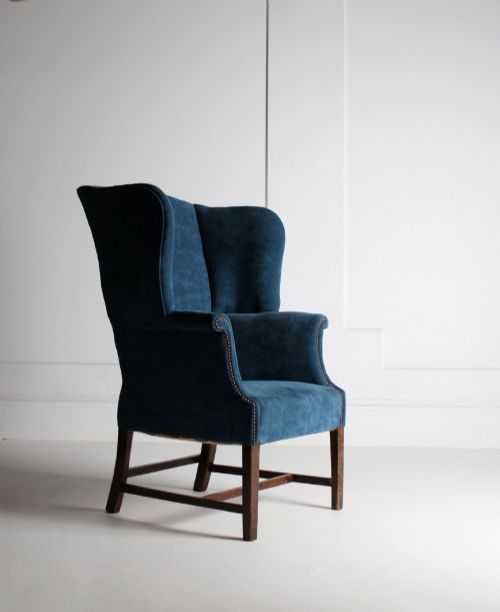
A georgian style country chair brings vernacular character and robust timber framing directly into a modern interior.
Georgian Style Country Chair
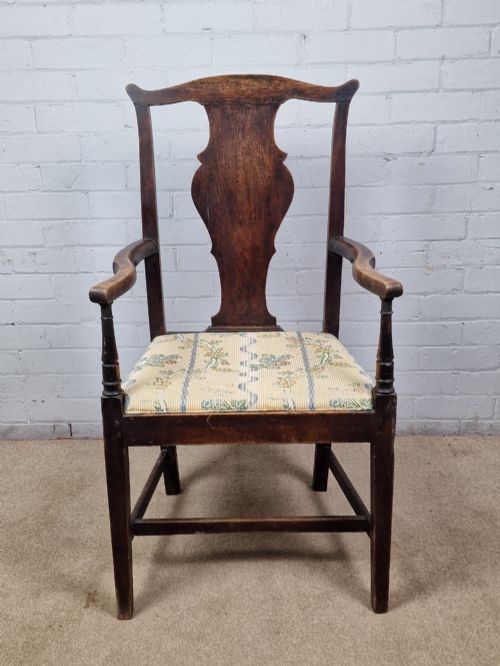
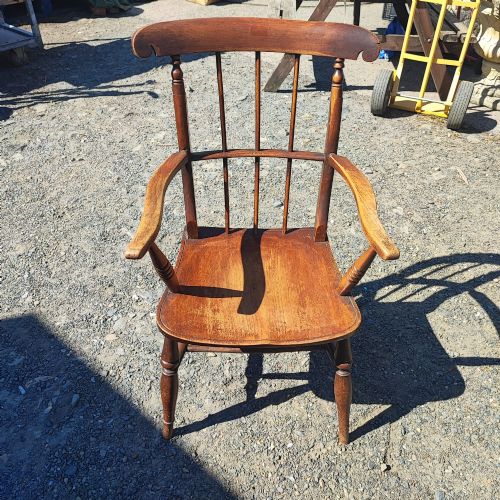
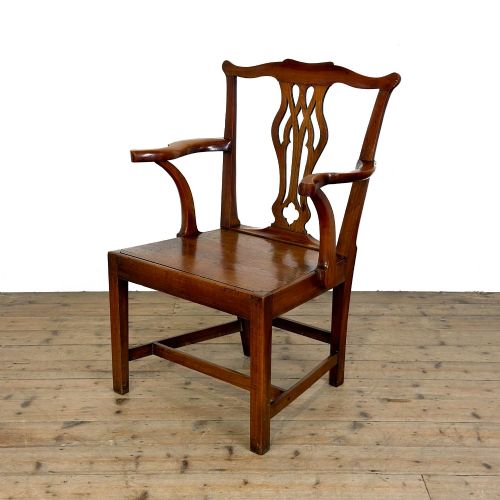
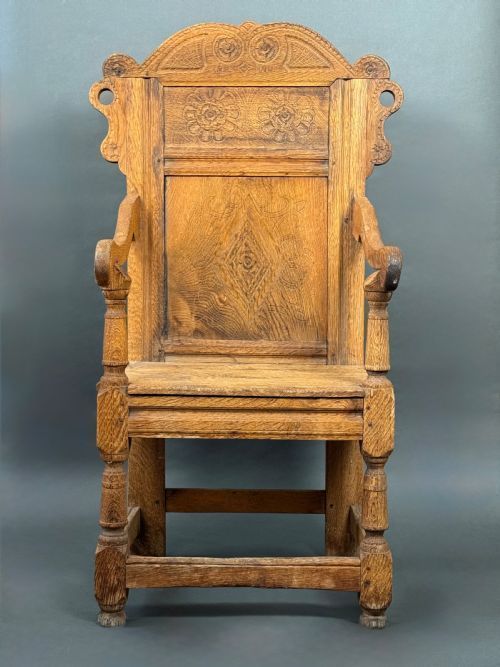
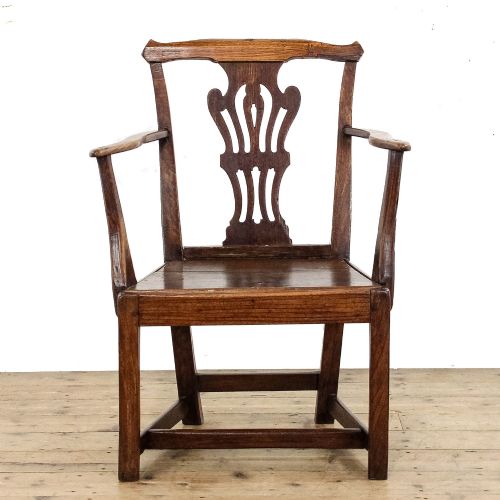
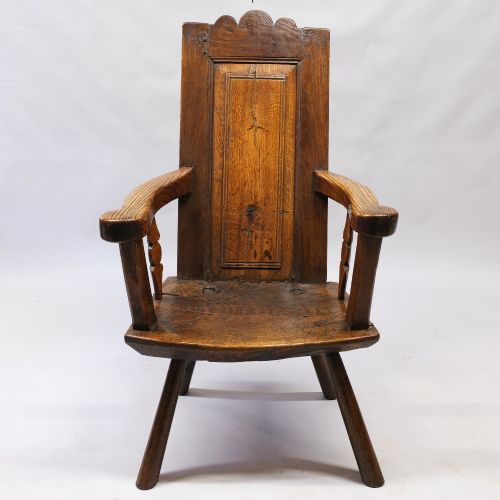
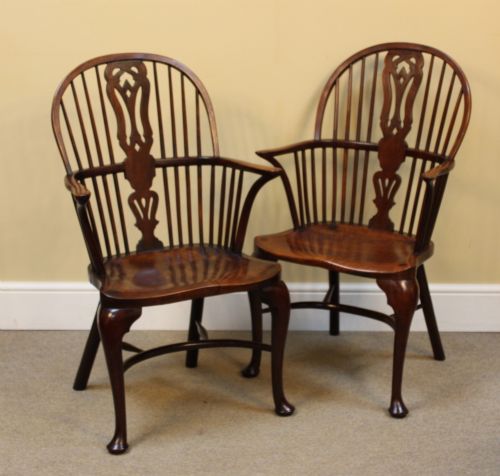
When you search for a georgian style country chair, you encounter sturdy seating created outside urban cabinet-making centres using regional timbers. These pieces range from simple kitchen dining chairs to broad arm Windsor chairs and panel-backed carvers.
The selections available here lean heavily towards eighteenth- and nineteenth-century examples in oak, elm, ash, and yew. Vernacular makers built these items for daily utility in country houses, farmhouses, and provincial dining rooms.
How they were made
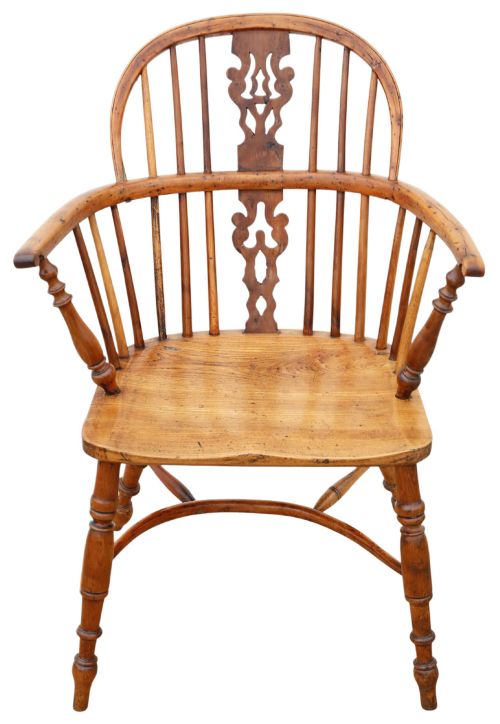
Regional makers utilised solid native hardwoods such as elm for seats, ash for spindles and bent parts, and oak or yew for structural frames. Windsor models combined sculpted wooden saddles with steam-bent bows and turned legs.
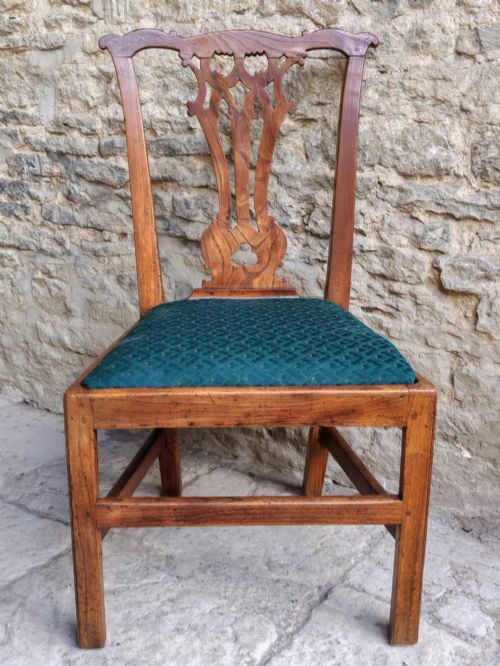
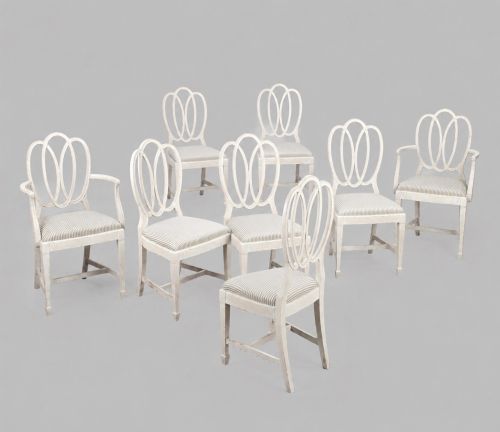
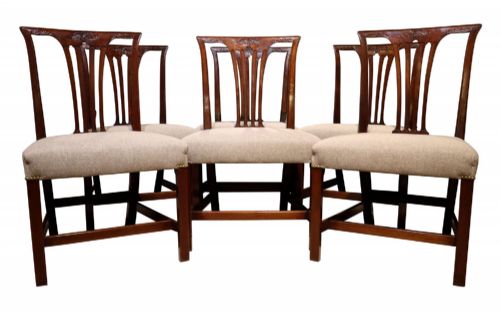
Chippendale and Hepplewhite influences reached provincial workshops through design books, translating into pierced splat backs and bracketed legs executed in local fruitwood, oak, or mahogany.
Several armchairs incorporate comb backs and broad elbow rests designed specifically to keep drafts away from the sitter by the hearth.
What varies in quality
The distinction between ordinary and superior pieces rests on the choice of timber and the depth of the carving or turning. A well-figured yew wood grain or a heavily sculpted elm saddle seat elevates a provincial chair above standard workshop production.
Proportion and structural integrity define the better examples, where the rake of the legs and the tapering of the spindles remain balanced and unaltered by later repairs.
Benjamin Gilling·Whytock and Reid
The Georgian Style Country Chair Glossary
- Windsor chair
- A chair built with a solid wooden seat into which the legs, back sticks, and bow are separately inserted. This construction method relies on turned spindles and often incorporates a bentwood hoop or comb piece.
- Carver chair
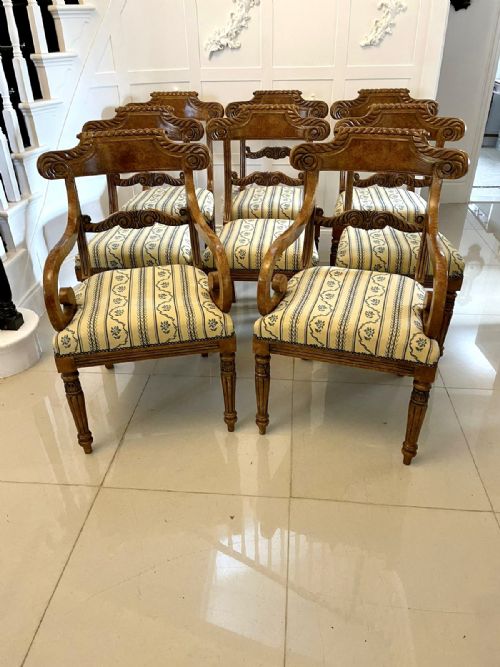
- An armchair traditionally placed at the head of a dining table or utilised as a substantial fireside seat. These forms usually feature generous elbow rests and open arm structures.
- Splatt
- The central vertical slat of wood running from the seat to the top rail of a chair back. In country interpretations, makers often pierced or shaped these elements following urban pattern books.
- Vernacular
- Objects made by regional artisans for local use rather than following strict metropolitan academic designs. These items often display idiosyncratic details adapted to available materials.
Georgian Style Country Chair: Frequently Asked Questions
What is a Windsor chair?
A Windsor chair is a form characterised by a thick wooden saddle seat that holds the turned legs and back components. Provincial makers utilised steam-bending techniques to create the characteristic curved back bow.
These seats were produced across rural districts in England, frequently combining elm seats with ash spindles and yew wood bows for optimal strength and flexibility.
How do I date a country chair?
Dating relies on examining the timber species, tool marks, construction methods, and stylistic vernacular details. Eighteenth-century examples often feature heavier panel backs or pegged joints, while later nineteenth-century pieces display machine-turned components.
Comparing the wear patterns around the foot rails and the fading of the wood provides additional clues regarding the age of the piece.
Are these chairs comfortable for daily use?
Most country chairs were sculpted for utility, meaning the wooden saddle seats are contoured to fit the body rather than upholstered. Adding a loose cushion can increase comfort during extended dining use.
Their robust timber frames and sturdy bracing make them exceptionally durable for daily seating around a kitchen or dining table.
What wood was used most often?
Elm appears frequently for solid seats because its interlocking grain resists splitting when bored with drill bits. Ash and yew provided the flexibility needed for steam-bent bows and slender spindle backs.
Oak served as the primary framing material for heavier wainscot and panel-backed armchairs built during the earlier periods.